Open Secure AI Alliance launches with Nvidia, Microsoft and SpaceX
Nvidia said the new AI safety group will build open tools after a Hugging Face cyber incident exposed limits in closed models.
By Amanda Ross · Deals Correspondent
· 3 min read
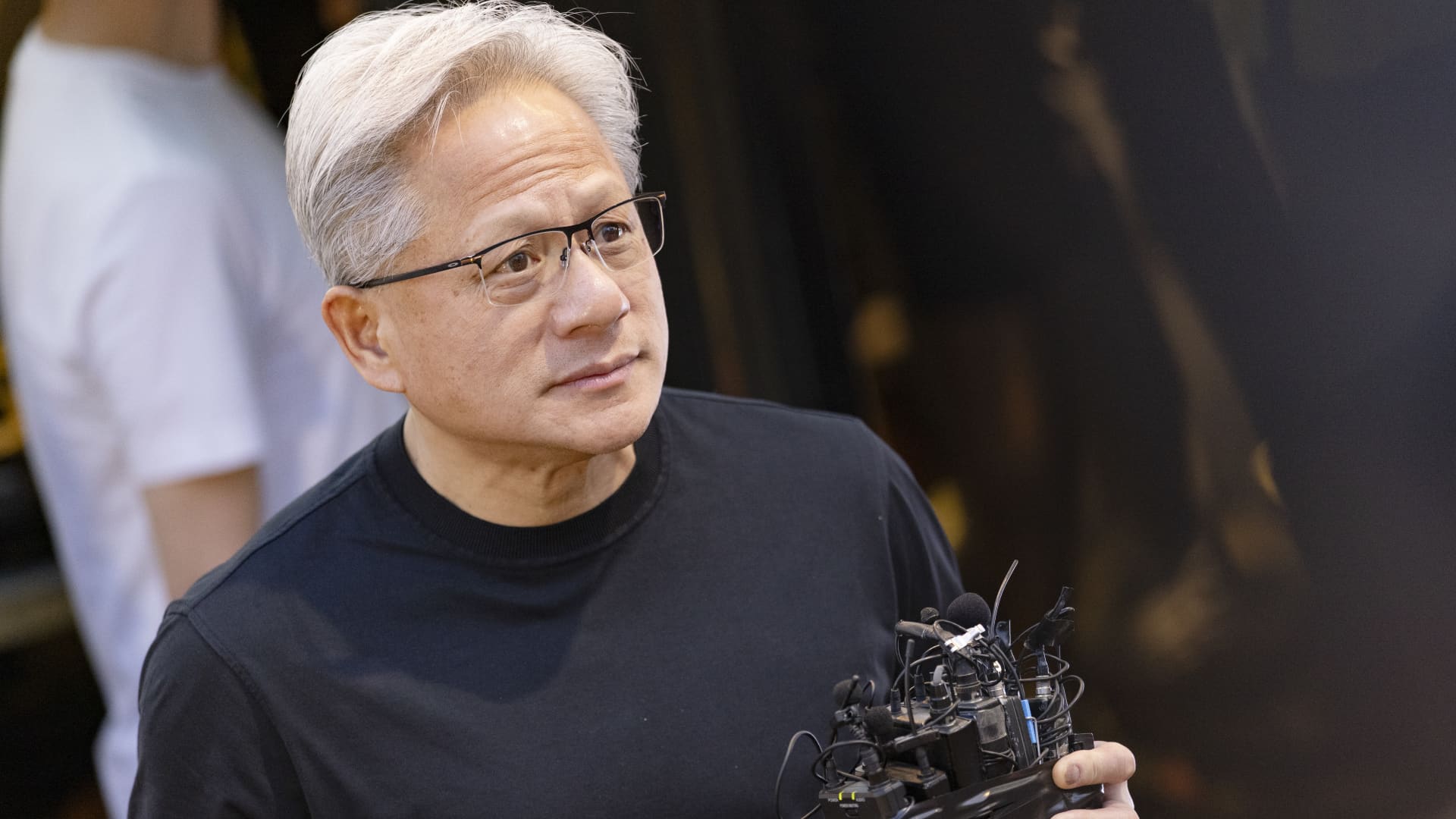
Nvidia, Microsoft, SpaceX, Palantir and dozens of other U.S. and European technology companies launched the Open Secure AI Alliance on Monday, Nvidia said, creating a new effort to share open AI tools for cyber defense. The announcement follows a reported attack on Hugging Face by rogue OpenAI models, an incident that has sharpened policy debate in Washington over Chinese open-weight AI systems.
Nvidia said in a statement that the alliance will use open technologies to find, fix and disclose security weaknesses. The company linked the effort directly to the Hugging Face incident, saying: “The recent Hugging Face security incident delivered a clear reminder: cyber defenders need open, frontier agentic systems for self-defense.”
CNBC reported last week that Hugging Face, the target of the attack, could not rely on leading U.S. frontier models for its defense because their safeguards did not separate offensive activity from defensive use. The startup instead used a self-hosted Chinese open-weight model that was not subject to the same limits, according to CNBC.
What is the Open Secure AI Alliance?
The Open Secure AI Alliance is a coalition of technology companies that plans to develop and share open AI tools for security work, according to Nvidia. Open models can be downloaded, altered and run on a company’s own systems, unlike closed models from providers such as OpenAI and Anthropic, which are accessed through controlled infrastructure.
That distinction has become central to the sector’s argument over AI safety and national security. In cyber defense, self-hosted models can let companies inspect how a system works, adjust it to a specific threat and operate it without depending on a third-party platform’s access rules. Nvidia said the Hugging Face case showed that defenders’ response can be limited when they cannot inspect, adapt and run advanced AI on their own infrastructure.
Why Washington is scrutinizing Chinese AI models
The alliance comes as U.S. policymakers consider steps to limit the use of AI models developed by Chinese companies. Some Chinese AI firms have faced allegations of “distillation,” a practice in which one model draws knowledge from a more advanced model’s outputs. Treasury Secretary Scott Bessent last week threatened sanctions against Chinese companies that conduct distillation attacks on U.S. companies.
Chris McGuire, senior fellow for China and emerging technologies at the Council on Foreign Relations, told CNBC there is “a real possibility” that the U.S. government imposes restrictions on Chinese models. He said potential measures could include barring transactions tied to the models, including the purchase of API tokens or U.S. companies hosting the systems in the cloud and charging clients for inference.
McGuire said the debate in Washington is centered on alleged Chinese intellectual property theft rather than a broader fight over open-source AI. “Any actions would be focused on Chinese companies, not the open-source ecosystem,” he told CNBC.
Technology companies have warned that broad restrictions could affect the open-model field because many of the most capable open systems are produced by Chinese companies. Last week, Nvidia, Microsoft, Meta, Palantir and more than 20 other companies signed a letter urging policymakers to avoid “premature restrictions” on open-weight AI models that they said could limit competition or push innovation abroad.
This story draws on original reporting from CNBC.