Otis service business recovery becomes test for defensive stock case
Otis shares have fallen about 15% this year as weaker customer retention and service margins test its recurring-revenue model.
By Amanda Ross · Deals Correspondent
· 3 min read
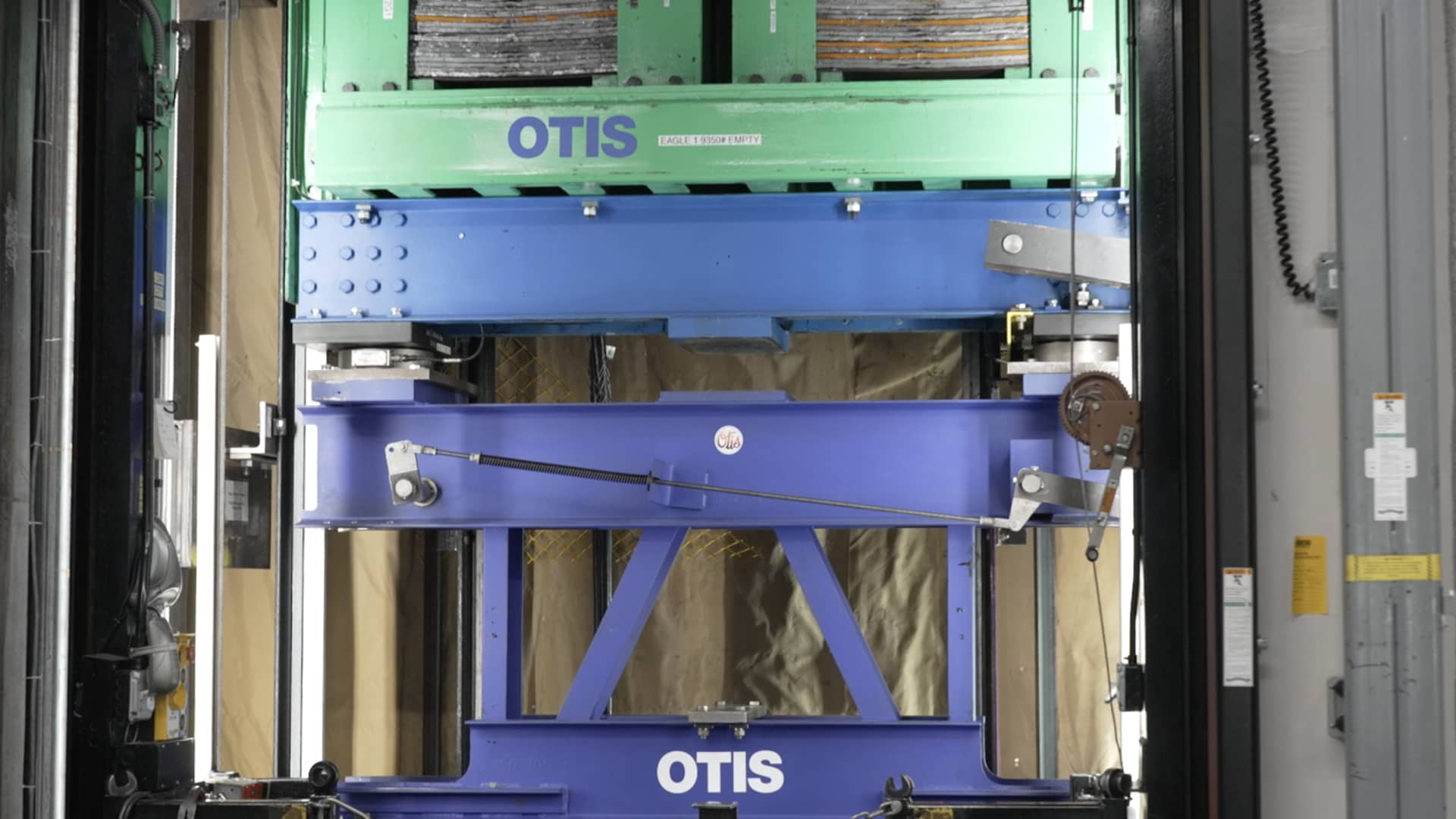
Otis service business recovery is becoming the central test of the elevator maker’s claim to offer investors relatively steady earnings. Shares were down about 15% year to date as of CNBC’s August 8 report, lagging both the wider industrial sector and the broader market, while management has cut its annual profit guidance.
The company’s appeal rests on recurring work rather than sales of newly installed lifts. Otis operates in more than 200 countries and services about 2.5 million units worldwide, CNBC reported. Chief executive and chair Judy Marks said maintenance, repair and modernisation work accounts for more than 90% of the group’s profits.
That mix can make earnings less dependent on new construction. New-equipment operating margin was 4.8% in 2025, according to CNBC, compared with service margin of 25.5% at the end of that year. Service begins with maintenance and repairs; after roughly two decades, an installed elevator may require modernisation, involving partial or full replacement of components.
What must improve in Otis’s service business?
Customer retention and service profitability are the main measures to watch. Otis entered 2025 with a declining rate of customers renewing service contracts, CNBC reported. Its service margin then dropped 250 basis points in the first quarter of 2026.
The company is putting an additional $50 million into its service operation during 2026. Melius Research analyst Robert Wertheimer said the actions included adding staff and placing greater attention on maintenance, steps intended to improve customer experience even where they do not immediately add revenue.
Otis has shown sales momentum, reporting an 11% year-on-year increase in service revenue in its most recent quarter. Yet Marks said on the earnings call that the company had not seen a significant improvement in retention. The guidance reduction means higher service sales alone have not settled concerns over the cost and effectiveness of the recovery effort.
Wertheimer said a share of the stock’s weakness reflected investor flows toward higher-growth artificial-intelligence companies, alongside Otis’s operational setback. In a July note, he said better service could reduce outages and help renewals, though that remains an analyst expectation rather than a reported outcome.
Marks has pointed to urbanisation, digitalisation, mobility needs of ageing populations and infrastructure modernisation as long-term sources of demand. For now, the evidence supporting Otis’s defensive case will be whether the 2026 investment reverses the retention decline and restores service margins.
Competition could also change. Finland’s Kone agreed in April to acquire Germany’s TK Elevator in a transaction valued at nearly $35 billion, CNBC reported. Wolfe Research analyst Nigel Coe said a market with three major bidders rather than four could potentially help Otis, but the proposed deal faces potential regulatory hurdles and Schindler has said it would oppose it on antitrust grounds.
This story draws on original reporting from CNBC.


