Palantir earnings options draw bearish trade after Tesla win
CNBC’s Michael Khouw says a Tesla put-spread gain can be partly redeployed into a defined-risk Palantir earnings trade.
By Amanda Ross · Deals Correspondent
· 3 min read
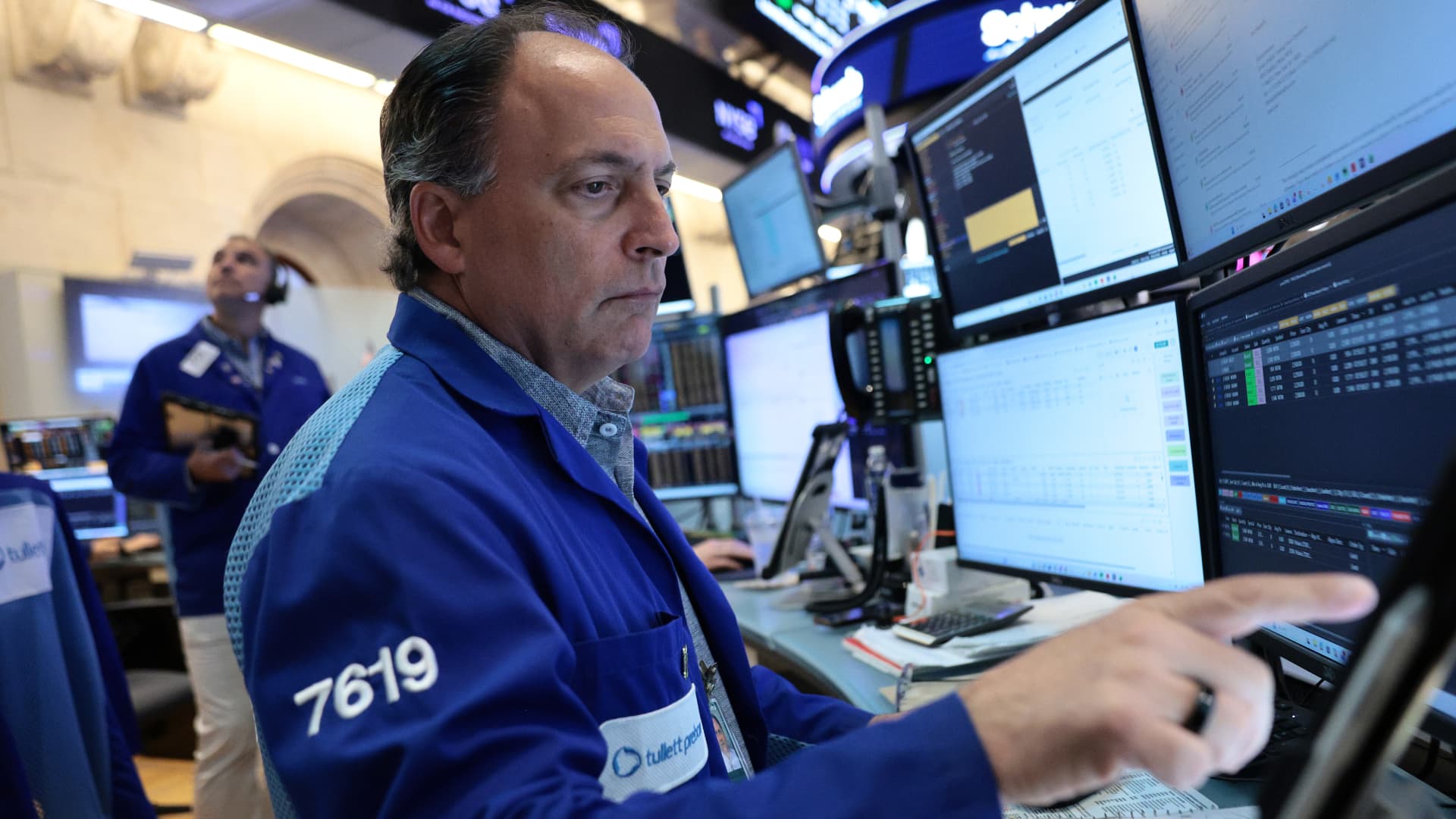
Palantir earnings options are drawing renewed attention after CNBC’s Michael Khouw said a bearish Tesla options position had captured most of its potential profit following the electric-vehicle maker’s post-earnings slide. Khouw said the next candidate for a similar defined-risk trade is Palantir, which is scheduled to report results on August 3.
The call follows a sharp move in Tesla shares after its second-quarter report. According to Khouw, Tesla posted revenue of $28.2 billion, up 26% from a year earlier and above expectations, while adjusted earnings of 34 cents a share fell short of the 50-cent consensus estimate. He also cited a 1.4% operating margin, a 142% increase in capital spending and negative free cash flow.
Tesla shares fell about 14.5% on Thursday, Khouw said, moving through the short strike in the earlier put-spread trade and finishing near the level targeted by that position. With much of the trade’s possible payoff already realised, he framed the remaining decision as whether to close the position or use part of the gain for another bearish earnings structure.
What is the Palantir earnings options trade?
Khouw described a plan to close the Tesla August 360/330 put spread at about $23, which he said was more than twice the original entry price. For traders choosing to redeploy part of those proceeds, he pointed to buying the Palantir August 21 $120/$95 put spread for roughly $6.50.
A put spread pairs the purchase of one put option with the sale of another put at a lower strike price. The structure caps both the potential loss, limited to the net premium paid, and the maximum gain, which is the distance between the strikes minus that premium if the stock finishes at or below the lower strike at expiration.
In Khouw’s example, the Palantir spread is $25 wide. After the roughly $6.50 debit, the maximum profit would be the remaining spread value if Palantir closed at or below $95 at expiration. He said that outcome would require a decline of about 23% from current levels, a move he described as consistent with Palantir’s historical three-week earnings window.
Why is Palantir under scrutiny before results?
Khouw said Palantir remains a strong company in his view, but argued that several risks deserve attention before the earnings release. He cited the company’s ambition to increase revenue tenfold without a matching expansion of its sales force, potential pressure from competition among large language model providers, and the possibility that enterprises may use large language models directly rather than through an intermediary platform.
He also said international sales could face limits where national-security considerations lead customers to prefer domestic vendors. Citing Bloomberg, Khouw said Palantir’s commercial backlog growth slowed to 12% in the first quarter from 21% in the fourth quarter of 2025.
Valuation is another part of the argument. Khouw said Palantir trades at a premium to its software peers and above its own historical enterprise-value-to-sales average, even after recent declines in the shares.
How much movement is the options market pricing?
Khouw said Palantir’s stock has moved about 26% on average from one week before earnings through two weeks after, a period he compared with the August expiration cycle. He said the options market is pricing a one-day earnings move of 9.5%, which is above the moves of the past four quarters but below the longer-term average of more than 14%.
August options carry about 65% implied volatility, according to Khouw. He said using a spread can offset part of that premium because the trader sells one option against the option being purchased. The structure does not remove directional risk, but it defines the amount at stake at the outset.
This story draws on original reporting from CNBC.


