Rubio says Iran’s Hormuz stance risks wider shipping precedent
The U.S. secretary of state said Washington remains open to talks as Central Command struck Iranian military targets for an 11th night.
By Marcus V. Thorne · Markets Editor
· 3 min read
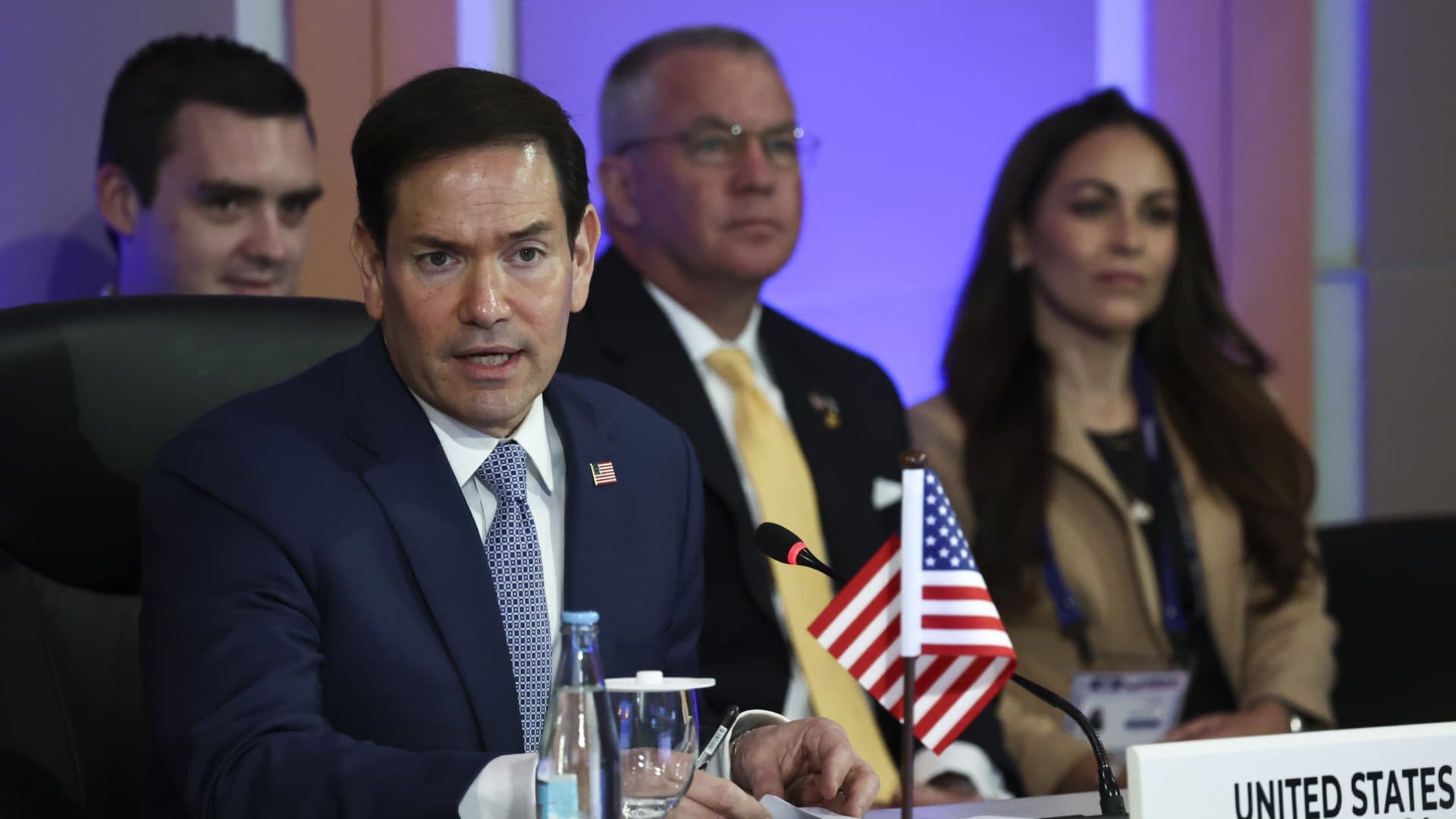
U.S. Secretary of State Marco Rubio said Iran’s position on the Strait of Hormuz could have consequences beyond the Middle East, as U.S. Central Command carried out strikes on Iranian targets for an 11th consecutive night. Central Command said the latest attacks were intended to reduce Iran’s ability to threaten commercial vessels in the waterway, a route tied to a significant share of regional energy flows and 20% of global energy supply, according to Rubio.
Speaking Wednesday at the ASEAN Foreign Ministers’ meeting in the Philippines, Rubio accused Tehran of failing to meet commitments linked to the strait while saying Washington remained “committed to diplomacy” in the Middle East. He said the main obstacle was Iran’s demand for authority over traffic through Hormuz, which he said Tehran does not possess under international law.
“The problem we’re having right now is that they’re not serious about talks. If they’re serious, we’re serious,” Rubio said. “If they’re not, then we will do what is necessary to protect our interest and also the interest of our allies.”
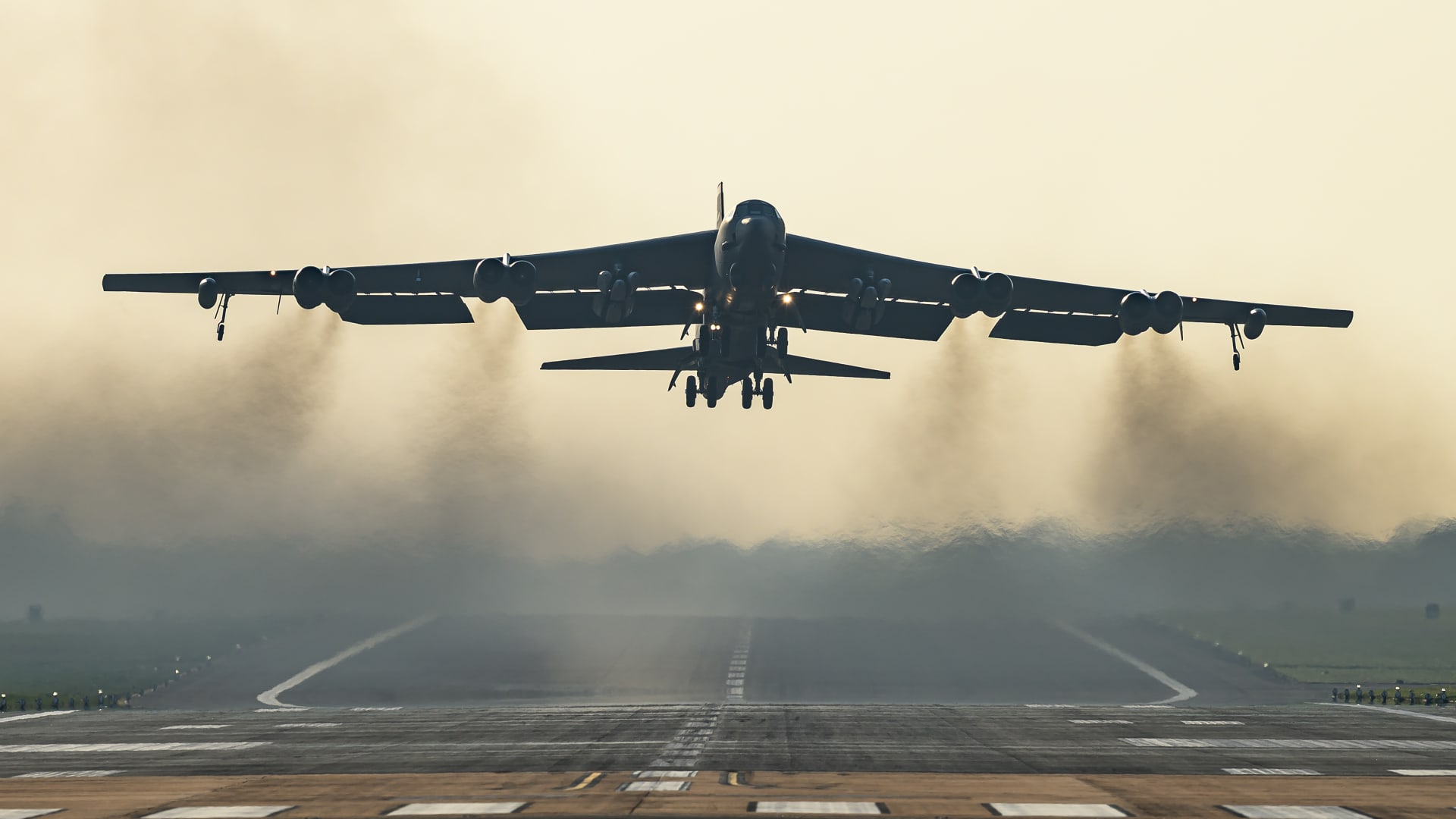
Central Command said in posts on X that U.S. forces struck military operations centers, drone storage sites and logistics infrastructure. The command said the campaign was aimed at continuing to degrade Iran’s capacity to endanger commercial shipping in the Strait of Hormuz.
Dispute over control of a strategic waterway
The Strait of Hormuz sits between Iran and Oman and is one of the world’s most closely watched maritime chokepoints because of its role in energy transportation. The dispute centers on whether Iran can regulate passage, impose compulsory charges or place conditions on ships moving through the route.
Rubio warned that allowing a state to control an international waterway, demand payment and threaten vessels that do not comply would set a precedent with implications in other regions. He described the issue as “a very fundamental principle about freedom of navigation.”
His remarks in Manila also drew a regional comparison. Rubio said Southeast Asia did not need a lecture on the importance of open international waterways, an apparent reference to disputes in the South China Sea. The U.S. Navy has conducted freedom of navigation operations near contested islands there, where several Southeast Asian governments have competing claims with China.
China claims most of the South China Sea through its “nine-dash line.” A 2016 ruling by the Permanent Court of Arbitration found that Beijing’s claims had no basis under international law, but China has not accepted the ruling.
Interim accord left key issue unresolved
The United States and Iran signed an interim memorandum of understanding on June 17 that paused military operations, called for reopening Hormuz and created a 60-day period to negotiate a longer-term agreement, including provisions related to Iran’s nuclear program. The arrangement did not settle how the strait would be managed after that period.
Iran interpreted the memorandum as acknowledging a role for Tehran in managing traffic and potentially charging for maritime services after the initial 60 days. The U.S. position is that the waterway must remain open without mandatory Iranian fees or restrictions.
Iran and Oman said in a joint statement on June 23 that all arrangements concerning the Strait of Hormuz must respect the sovereignty and sovereign rights of the two coastal states. Rubio said the U.S. strikes were “consequences” for what he described as Tehran’s failure to keep its commitments.
This story draws on original reporting from CNBC.