Ryanair shares fall as fuel costs cut quarterly profit by 34%
The budget carrier said profit after tax fell to €538 million as unhedged fuel costs rose and fares declined during the Middle East crisis.
By Sarah Jenkins · Chief Macro Economics Correspondent
· 2 min read
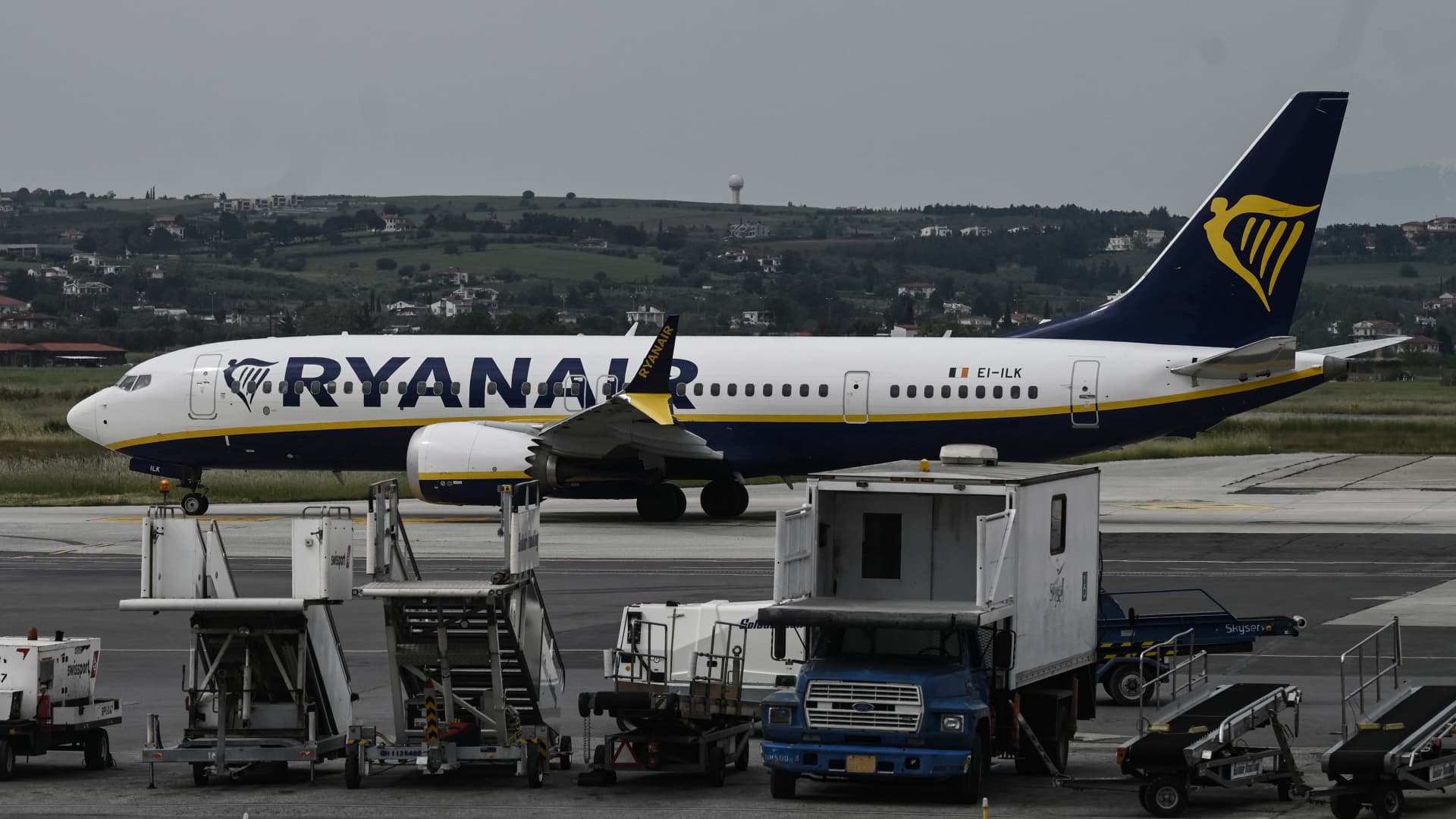
Ryanair shares slid 6% after the airline reported a 34% fall in first-quarter profit, with higher fuel costs and weaker fares weighing on earnings. The budget carrier said profit after tax for the April-to-June period fell to €538 million, or $615.3 million, from €820 million a year earlier.
The results underline the pressure on European airlines from volatile energy markets and softer booking patterns during the Middle East crisis. Ryanair said fares declined 6% in the quarter, while operating costs rose 11% to €3.81 billion.
Fuel was the main cost pressure identified by the company. Ryanair said 20% of its fuel requirement was not hedged and was therefore exposed to price increases. The airline said the price of that unhedged fuel more than doubled during the quarter.
Airlines use fuel hedges to fix or limit the price they pay for a portion of future fuel needs. That can reduce exposure when oil and jet-fuel prices rise, although it also means the carrier may not fully benefit if market prices fall below the contracted level. Ryanair said its jet fuel for 2027 is currently 80% hedged at $67 a barrel, while its 2028 fuel is 15% hedged at $85 a barrel.
Chief Executive Michael O’Leary said first-quarter fares needed support because customers were slower to commit to travel plans. He cited the Middle East conflict, concerns about European Union jet-fuel shortages, economic uncertainty and later bookings as factors behind consumer caution.
O’Leary also said the quarter had a comparison effect because fares in the prior-year period benefited from a full Easter in April 2025. Easter timing can affect airline revenue because school holidays and leisure travel often lift demand during the period.
Ryanair framed its hedging programme as a competitive buffer while oil prices remain volatile. O’Leary said the airline’s “conservative hedging policy” protects it from swings in oil prices linked to continuing turmoil in the Middle East and gives it a “cost advantage over all other EU competitors.”
The company also warned that weaker carriers in Europe could face tougher conditions later in the year. O’Leary said “unprofitable airlines face a difficult winter,” tying the warning to higher costs and more fragile demand across the sector.
The update places Ryanair among carriers confronting a more unsettled operating environment after a period of strong post-pandemic travel demand. For low-cost airlines, fuel and fare levels are central to margins because the model relies on high aircraft utilisation, tight cost control and price-sensitive customers.
This story draws on original reporting from CNBC.


