Southwest’s summer profit outlook trails estimates as fuel costs rise
The airline reported higher second-quarter profit and revenue, but its third-quarter adjusted earnings guidance came in below analyst expectations.
By Amanda Ross · Deals Correspondent
· 3 min read
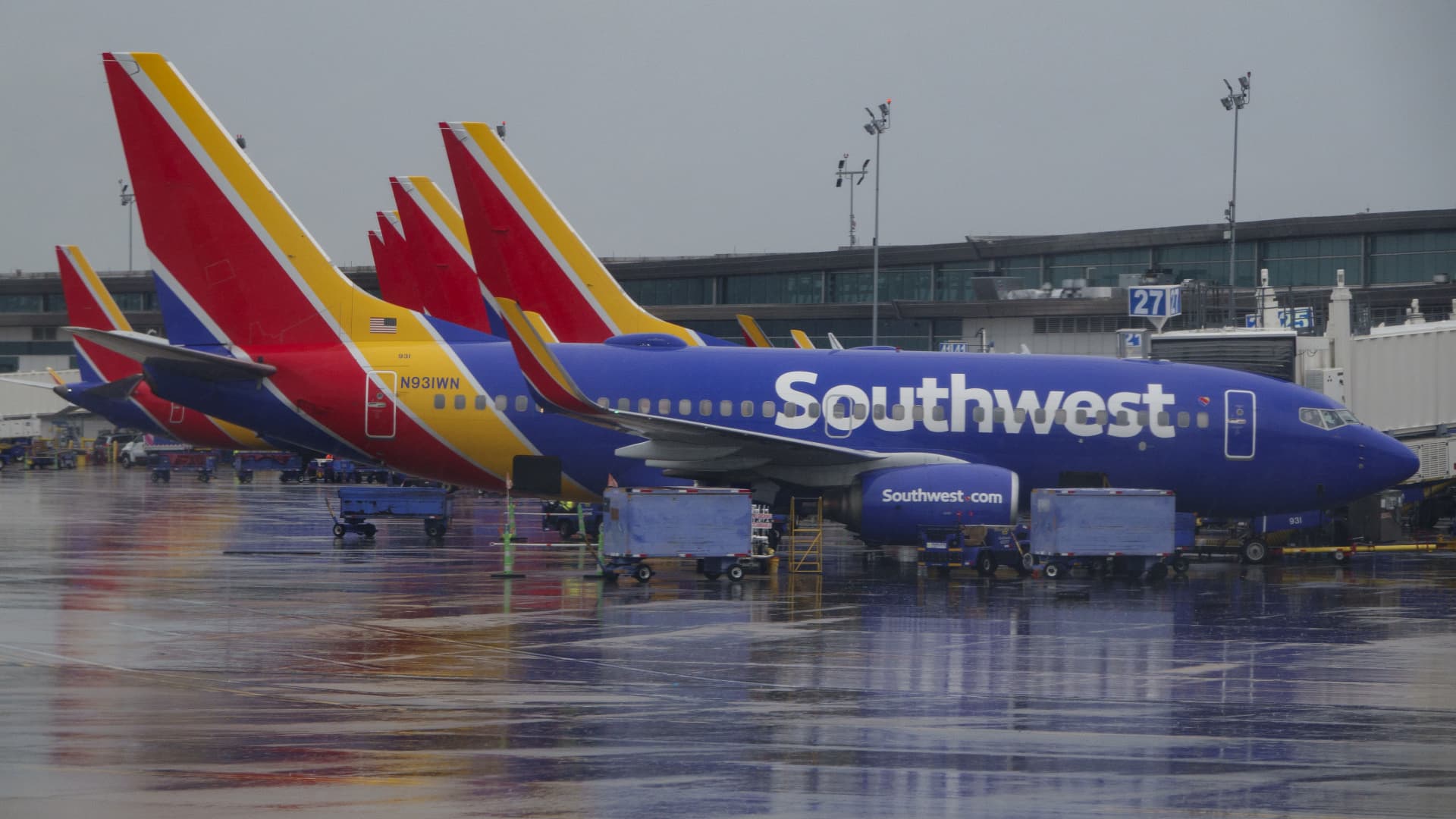
Southwest Airlines reported second-quarter profit growth of more than 9% from a year earlier, while revenue rose 16.4% to $8.43 billion, CNBC reported. The carrier’s third-quarter adjusted earnings outlook nevertheless fell short of Wall Street expectations as fuel costs continued to climb.
The Dallas-based airline forecast adjusted earnings of 50 cents to 75 cents a share for the third quarter. Analysts had expected 82 cents a share, according to consensus estimates from LSEG cited by CNBC.
Southwest said it expects third-quarter sales to increase 17.5% to 19.5% from the same period in 2025. The company also said it plans to keep flying capacity roughly unchanged or reduce it by no more than 1% compared with the year-earlier quarter.
The guidance points to the pressure airlines face when operating costs rise faster than the revenue they can generate from fares and ancillary charges. Fuel is one of the largest variable costs for carriers, and a higher fuel bill can narrow margins unless airlines offset it through ticket prices, denser schedules, lower capacity or other cost controls.
Southwest said its fuel expense increased by almost $900 million in the second quarter from a year earlier. CNBC reported that higher fares have helped the airline absorb part of that increase.
For the second quarter, Southwest reported adjusted earnings of 94 cents a share. LSEG consensus estimates cited by CNBC showed analysts had expected 51 cents a share, though CNBC said it was not immediately clear whether the reported adjusted figure was comparable with that forecast.
Revenue came in below the LSEG consensus estimate of $8.58 billion. The company’s reported $8.43 billion still represented a double-digit increase from a year earlier, indicating that demand and pricing supported sales even as costs rose.
Capacity is a central lever in airline economics. When an airline limits seat growth, it can support pricing by restraining supply, but it may also limit the amount of additional revenue it can produce during peak travel periods. Southwest’s plan for flat to slightly lower capacity in the third quarter comes alongside its expectation for strong year-over-year sales growth.
The third quarter includes much of the summer travel season, a period when U.S. airlines typically rely on leisure demand to drive revenue. Southwest’s forecast suggests the company expects higher sales than last year, while also signaling that cost pressure, including fuel, will weigh on adjusted profit relative to analyst expectations.
Southwest’s report adds to investor scrutiny of whether U.S. carriers can continue passing higher operating costs through to passengers without weakening demand. The company did not provide additional detail in the CNBC report on the specific fare increases, routes or passenger trends behind the second-quarter revenue gain.
This story draws on original reporting from CNBC.


