FAA proposes space launch environmental waivers for faster approvals
The Transportation Department says the rule could cut duplicative reviews as FAA-authorized commercial space operations accelerate.
By Amanda Ross · Deals Correspondent
· 4 min read
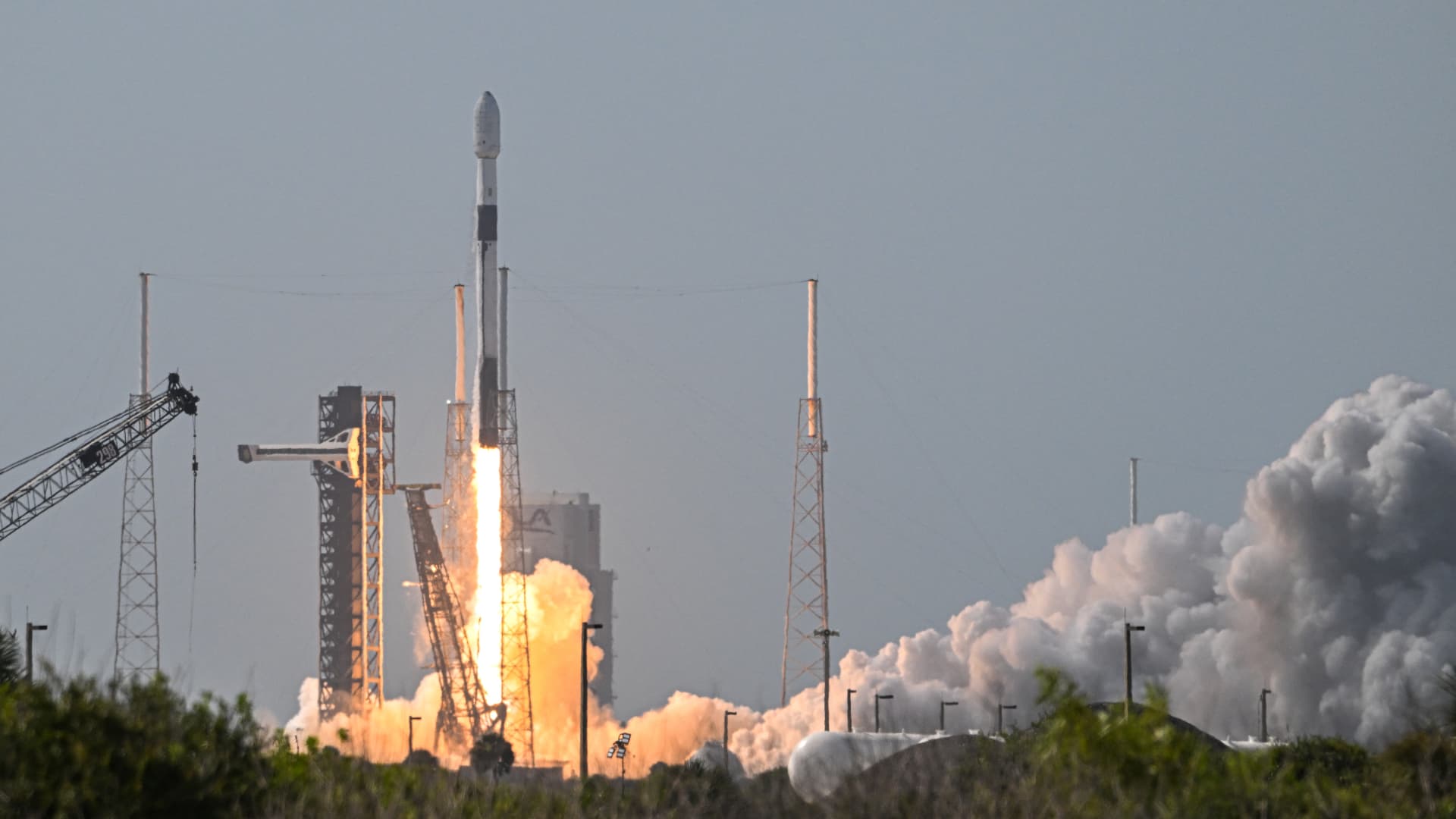
The Federal Aviation Administration proposed space launch environmental waivers that could shorten the licensing process for commercial rocket launches and reentries, the Department of Transportation said Tuesday. The rule would affect a sector led by SpaceX and Blue Origin, as FAA-authorized commercial space operations reached a record 205 in fiscal 2025 and could total as many as 4,288 over the next decade, according to the agency.
The Trump administration described the proposal as a way to remove environmental requirements it considers unnecessary for private-sector launch activity. The FAA, which sits within the Transportation Department, would be able to waive requirements tied to certain commercial space licenses and permits under 13 federal laws.
Those laws include the National Environmental Policy Act, the Endangered Species Act, parts of the Clean Water Act and Clean Air Act, the National Historic Preservation Act and the Marine Mammal Protection Act, according to the Transportation Department.
What would the FAA environmental waiver rule change?
Commercial space companies need FAA authorization for launches and reentries. Under the proposed rule, the agency could set aside specified environmental review requirements for some licenses and permits, while continuing to apply requirements the Transportation Department said are needed to protect public health and safety, property, national security or U.S. foreign policy interests.
The department said applicants now face overlapping reviews across multiple federal agencies, along with costs and delays tied to environmental studies and information requests. A waiver would not by itself approve a launch; it would alter which environmental obligations apply during the licensing or permitting process.
The proposal follows President Donald Trump’s 2025 executive order, titled “Enabling Competition in the Commercial Space Industry.” That order directed Transportation Secretary Sean Duffy to eliminate or accelerate environmental reviews for space launch and reentry licenses.
Duffy said in a statement that the United States could win what he called another space race if government barriers were reduced. He said Trump had directed the department to support U.S. space dominance by loosening constraints on commercial activity.
Why SpaceX and Blue Origin are central to the proposal
SpaceX, founded by Elon Musk, and Blue Origin, founded by Jeff Bezos, are among the best-known companies that could benefit from a faster federal review process. The Transportation Department did not limit the proposal to those two companies, and said the rule would apply to commercial space operators seeking relevant FAA approvals.
The scale of expected activity is central to the agency’s case. The FAA said it authorized 205 commercial space operations in fiscal 2025, the highest annual total on record. Its forecast projects up to 4,288 such operations over the next 10 years.
Reuters reported in May that FAA Administrator Bryan Bedford said SpaceX President Gwynne Shotwell had told him the company aimed to reach 10,000 launches a year within five years. Bedford said at the time that more reliability would be needed for that level of activity.
The proposed rule will be open to public comment for 30 days. The Transportation Department said the FAA will review relevant comments before it issues a final rule.
Environmental scrutiny around launch operations
The policy move comes after environmental enforcement actions involving SpaceX operations. In September 2024, the Environmental Protection Agency and the Texas Commission on Environmental Quality fined SpaceX a combined $150,000 after finding Clean Water Act violations tied to the discharge of tens of gallons of industrial wastewater from a Boca Chica, Texas, launch pad, NPR reported. CNBC first reported notices of violation and related investigative records.
SpaceX denied that water used in launches was hazardous.
Separately, the Department of Justice in June asked a federal judge in Mississippi to dismiss an NAACP lawsuit against Musk’s xAI, which the report described as owned by SpaceX. The lawsuit accused xAI of violating the Clean Air Act by using dozens of methane-fueled turbines to power artificial intelligence data centers without proper permits or pollution controls. In its filing, the Justice Department said the lawsuit threatened U.S. national, economic and energy security by seeking to cut power used for artificial intelligence work supporting Department of War military operations.
This story draws on original reporting from CNBC.


