Strait of Hormuz traffic odds fall below 50% for July 2027 normalization
Kalshi contracts put July 2027 normalization at 47% after further U.S. strikes on Iranian targets and wider Red Sea tensions.
By Sarah Jenkins · Chief Macro Economics Correspondent
· 3 min read
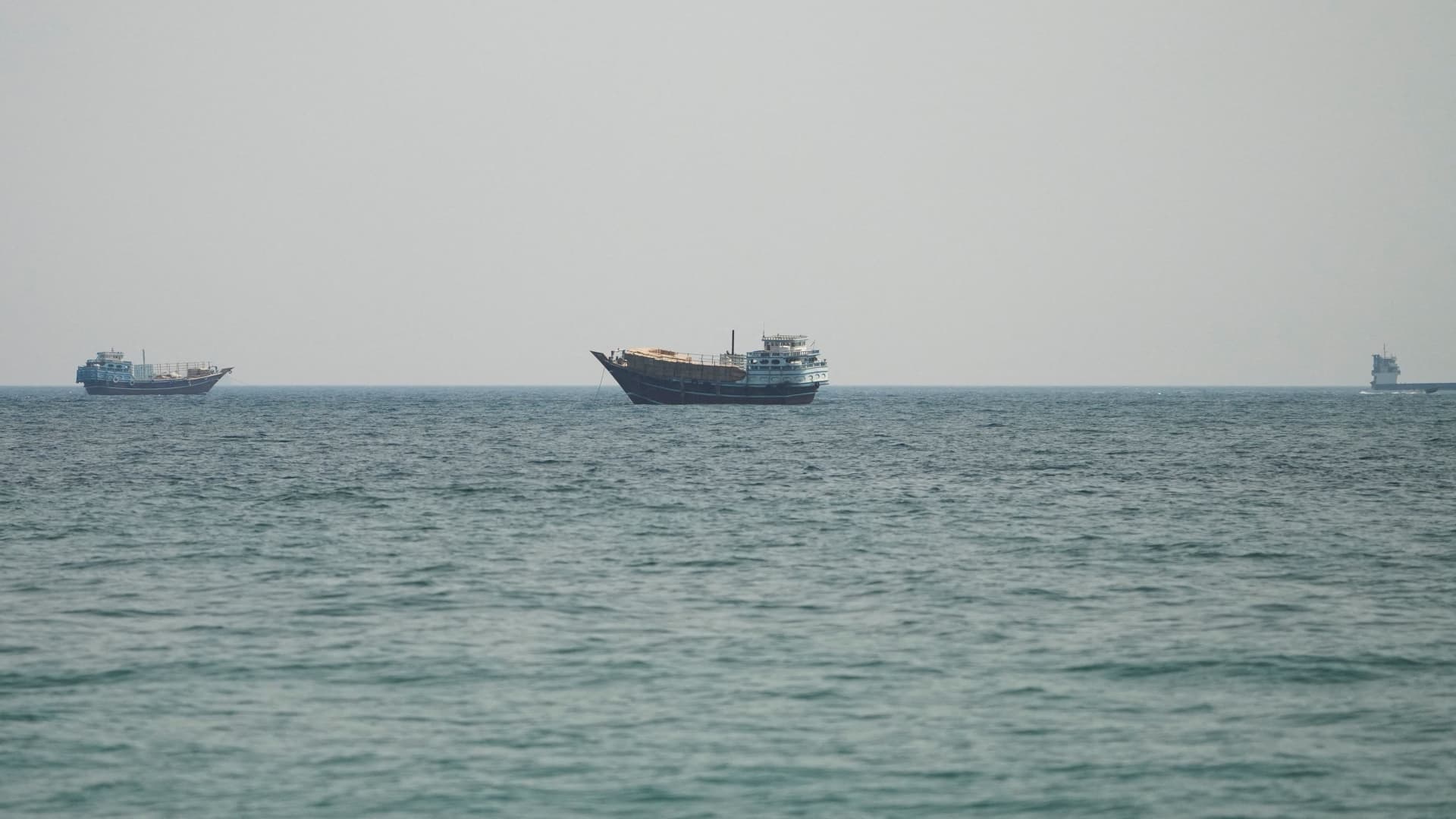
Strait of Hormuz traffic odds on Kalshi fell below 50% on Friday afternoon for a return to normal maritime flows by July 2027, according to CNBC. The contract’s implied chance dropped to 47% from nearly 70% over the previous two days, adding a market-based gauge of how traders are pricing disruption risk in one of the world’s most closely watched shipping corridors.
CNBC reported that the move followed a 13th consecutive night of U.S. strikes against Iranian targets. President Donald Trump also signaled the possibility of a further “massive attack” against Iran in an interview with Axios on Thursday, CNBC said.
The Kalshi market showed a weaker near-term view as well. CNBC reported that the odds of ship traffic returning to normal this year stood at 38%, while the probability of regular shipments resuming before April 2027 was 48%.
When will Strait of Hormuz traffic return to normal?
Kalshi pricing cited by CNBC suggests traders no longer see a return to normal before July 2027 as the base case. The market’s contract resolves if the seven-day moving average of transit calls is above 60, using data verified by IMF Portwatch, according to CNBC.
Such event contracts translate trading prices into implied probabilities, but they are not official forecasts. They reflect the balance of buyers and sellers in a market tied to a specified outcome and data source.
Regional security risks have widened beyond the Strait itself. CNBC reported that Iranian-backed Houthi rebels in Yemen claimed attacks on two Saudi oil tankers in the Red Sea, a development Matt Smith, Kpler’s director of commodity research, said adds a new “dimension” to the timing of any reopening.
“We’re pushing that reopening into next year,” Smith told CNBC’s “Squawk Box.”
Trump said in a Truth Social post on Thursday that he would hold Iran responsible if the Houthis carry out further attacks, CNBC reported. The statement links U.S. pressure on Tehran to militant activity affecting regional shipping routes, according to the report.
Diplomatic efforts were also reported on Friday. Reuters said Pakistan is pressing for peace talks between the U.S. and Iran, with additional impetus from China, citing three Pakistani sources.
How the Kalshi Strait of Hormuz contract works
The contract centers on whether maritime traffic reaches a defined threshold, rather than on a government declaration or a single vessel movement. CNBC reported that the benchmark is a seven-day moving average of more than 60 transit calls, with IMF Portwatch data used to verify the result.
That structure matters because it focuses on sustained traffic rather than a short-lived improvement. For energy markets, shipping companies and policymakers, the distinction is material: a brief reopening and a normal operating pattern can carry different implications for supply chains, insurance costs and regional risk assessments.
CNBC disclosed that it has a commercial relationship with Kalshi that includes customer acquisition and a minority investment.
This story draws on original reporting from CNBC.


