Strategic Petroleum Reserve drawdown strains aging U.S. oil backup
U.S. crude reserves have hit their lowest level since 1983 as recent releases test aging emergency oil infrastructure.
By Marcus V. Thorne · Markets Editor
· 3 min read
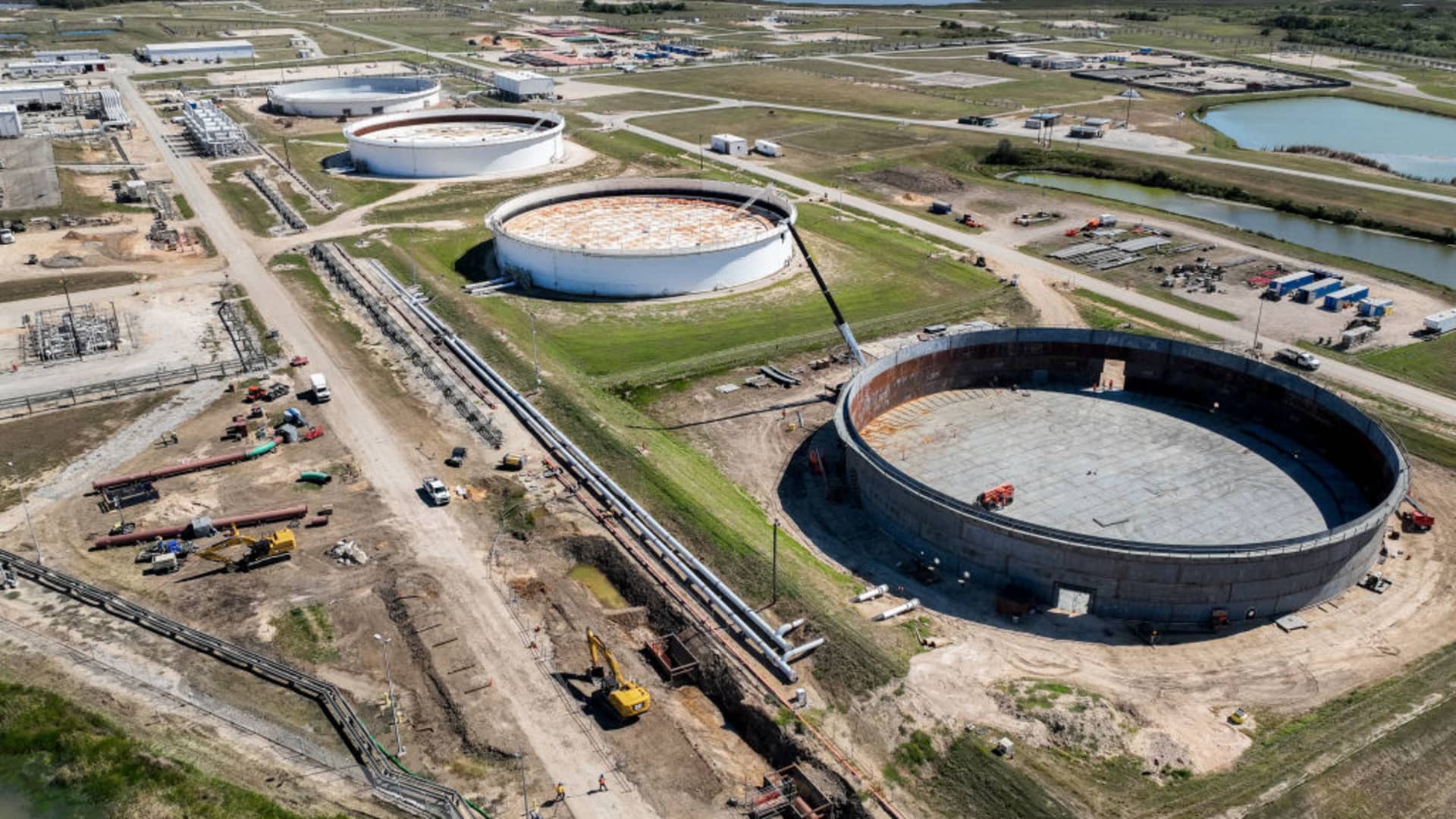
The strategic petroleum reserve drawdown has taken the U.S. emergency oil stockpile to its lowest level since March 1983, after 352 million barrels were withdrawn over four years to respond to disruptions linked to wars in the Middle East and Europe. The Government Accountability Office warned in May that outages meant more than a quarter of the reserve’s oil was not ready for emergency use, raising questions about the system’s capacity after repeated large releases.
The reserve, created by Congress in 1975 after the Arab oil embargo, is designed to give Washington a buffer against severe oil supply interruptions. Its role has grown more visible as energy markets absorbed the effects of Russia’s 2022 invasion of Ukraine and, in 2026, the U.S. war with Iran.
President Donald Trump ordered a 172 million-barrel release in March after Iran restricted crude exports through the Strait of Hormuz, according to the reported government data. U.S. government inventories fell by 3.7 million barrels last week to about 308 million barrels, and the Energy Information Administration data cited in the report show the stockpile falling to roughly 243 million barrels once Trump’s order is fully carried out.
The Department of Energy says the reserve has authorized capacity of 714 million barrels. A department spokesperson said federal law does not set a minimum operating level, though the reserve needs about 10% of capacity, around 70 million barrels, to manage the caverns safely.
How does the Strategic Petroleum Reserve work?
The reserve stores crude oil in 60 salt caverns several thousand feet underground at four major Gulf Coast sites. To withdraw crude, operators pump water into the base of a cavern, forcing oil up through wells and into pipelines for distribution.
That physical process places stress on wells, pumps, pipes and related equipment. David Goldwyn, a former State Department special envoy for international energy affairs under President Barack Obama, said repeated withdrawals accelerate wear and increase the need for maintenance.
Goldwyn said he was not currently concerned about the reserve’s stability or its ability to support another drawdown. Federal auditors, however, said the system’s withdrawal, distribution and refill functions are constrained by older equipment and by repair work taking place at the same time.
The GAO cited Department of Energy officials who described parts of the network of caverns, tanks and pipelines as being held together with temporary fixes, with uncertainty over how long those fixes can last. The auditors said the reserve’s infrastructure is nearing the end of its service life just as releases have become larger and more frequent.
The Energy Department is carrying out a $1.4 billion repair program, but the GAO said the department reduced the project’s scope to remain within budget. Auditors also found that more than a quarter of the reserve was unavailable for drawdown because of construction outages and cavern outages.
Rapidan Energy said in a July analysis that the GAO finding implies at least 103 million barrels now in the reserve are not deployable. The figure highlights the difference between oil physically held in the reserve and oil that can be moved during an emergency.
The Biden administration’s 180 million-barrel release after Russia’s invasion of Ukraine remains the largest in the reserve’s history. The GAO said the Energy Department completed that release without major equipment failures or crude spills, but auditors said it required emergency repair triage involving leaking water pumps or pipes and exposed risks in repeating a drawdown of similar speed and size soon afterward.
This story draws on original reporting from CNBC.


