Taco Bell cyclospora outbreak puts Yum earnings under scrutiny
Yum reports Thursday as a Taco Bell-linked cyclospora outbreak dents traffic and raises questions about second-half sales.
By Amanda Ross · Deals Correspondent
· 3 min read
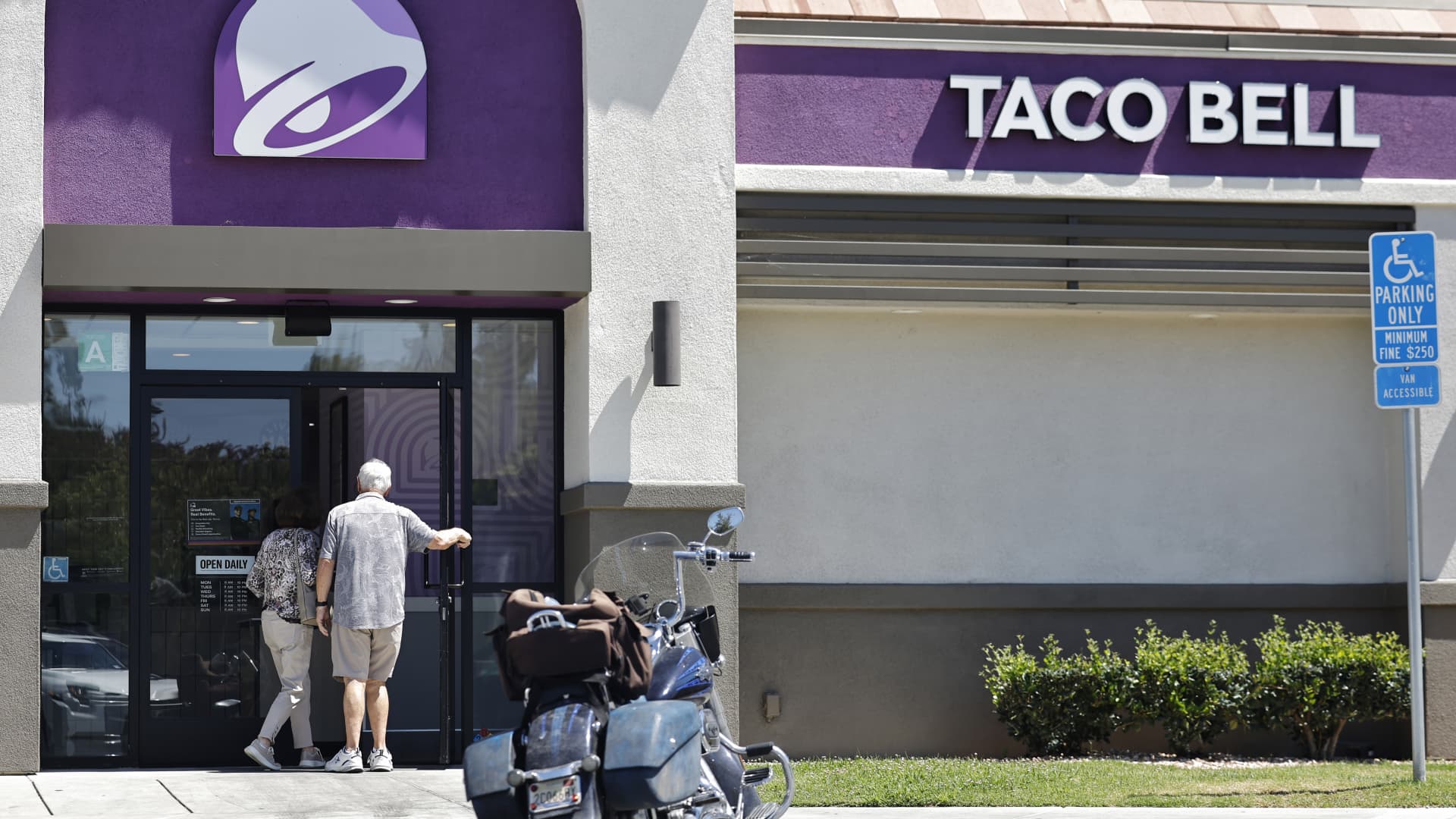
Yum Brands is set to report second-quarter results before the market opens Thursday, but the Taco Bell cyclospora outbreak is likely to dominate investor attention after health agencies tied illnesses to lettuce served at some of the chain’s restaurants. Since the Food and Drug Administration made that link, Taco Bell daily visits have fallen by double digits, according to Placer.ai, while Yum shares have declined 5%, reducing its market value to about $42 billion.
The Centers for Disease Control and Prevention said that, as of Friday, at least 1,947 people had been sickened, 98 had been hospitalized and no deaths had been reported. Federal health officials have identified iceberg lettuce supplied by Taylor Farms as the likely source of the outbreak.
The timing is sensitive for Yum because Taco Bell is one of the company’s main growth drivers, alongside KFC’s international business. Yum also owns Habit Burger & Grill, a smaller chain with fewer than 400 locations, and recently sold Pizza Hut to LongRange Capital for $2.7 billion after years of underperformance at that brand.
What is the Taco Bell cyclospora outbreak?
Cyclosporiasis is a gastrointestinal illness caused by a parasite. In this outbreak, federal health agencies have connected illnesses to iceberg lettuce used at some Taco Bell restaurants and said Taylor Farms supplied the lettuce likely involved.
Wall Street’s second-quarter expectations still reflect a reporting period that ended more than a month before the FDA linked Taco Bell to the outbreak. Analysts surveyed by LSEG expect Yum to post earnings of $1.58 a share on revenue of $2.2 billion. Taco Bell same-store sales are expected to rise 7% for the quarter, according to those estimates.
The greater uncertainty is the effect on the second half of the year. RBC Capital Markets analyst Logan Reich wrote in a July 21 note that the outbreak was likely to have limited effect on Taco Bell’s second-quarter results, while the impact on the third quarter and beyond had become the main issue for the stock. Reich said RBC lowered its third- and fourth-quarter Taco Bell estimates as a result.
FactSet consensus data showed that seven industry analysts cut their full-year earnings-per-share estimates for Yum between June 30 and Tuesday.
How is Taco Bell responding?
Taco Bell removed affected iceberg lettuce from its restaurants by July 17. Five days later, Taco Bell Chief Executive Sean Tresvant published an open letter to customers on LinkedIn, saying the company must earn loyalty “one meal at a time” and pledging to put safety first and act transparently.
The chain has also used low-price promotions as it tries to bring customers back. On the day Tresvant posted his letter, Taco Bell sold Enchiritos and nacho fries for $1. On Tuesday, it offered Mexican Pizza for $1.
The outbreak has not been declared over by the CDC. Michigan health officials continue to report rising daily cases, while Health and Human Services Secretary Robert F. Kennedy Jr. told reporters the outbreak was “under control.”
Analysts have pointed to prior food-safety incidents as possible comparisons. Chipotle Mexican Grill reported double-digit same-store sales declines for a year after outbreaks between 2015 and 2018, then recovered after management changes, employee sick-day policies, additional training and an enhanced food-safety program. McDonald’s saw U.S. traffic fall after a deadly E. coli outbreak tied to Quarter Pounders in late 2024, before sales recovered by the second quarter of 2025, according to M Science.
This story draws on original reporting from CNBC.


