Trump generic drug tariff plan puts pressure on low-margin suppliers
The proposed duties would start after a two-year reprieve, raising questions over U.S. medicine prices, supply chains and domestic production.
By Sarah Jenkins · Chief Macro Economics Correspondent
· 4 min read
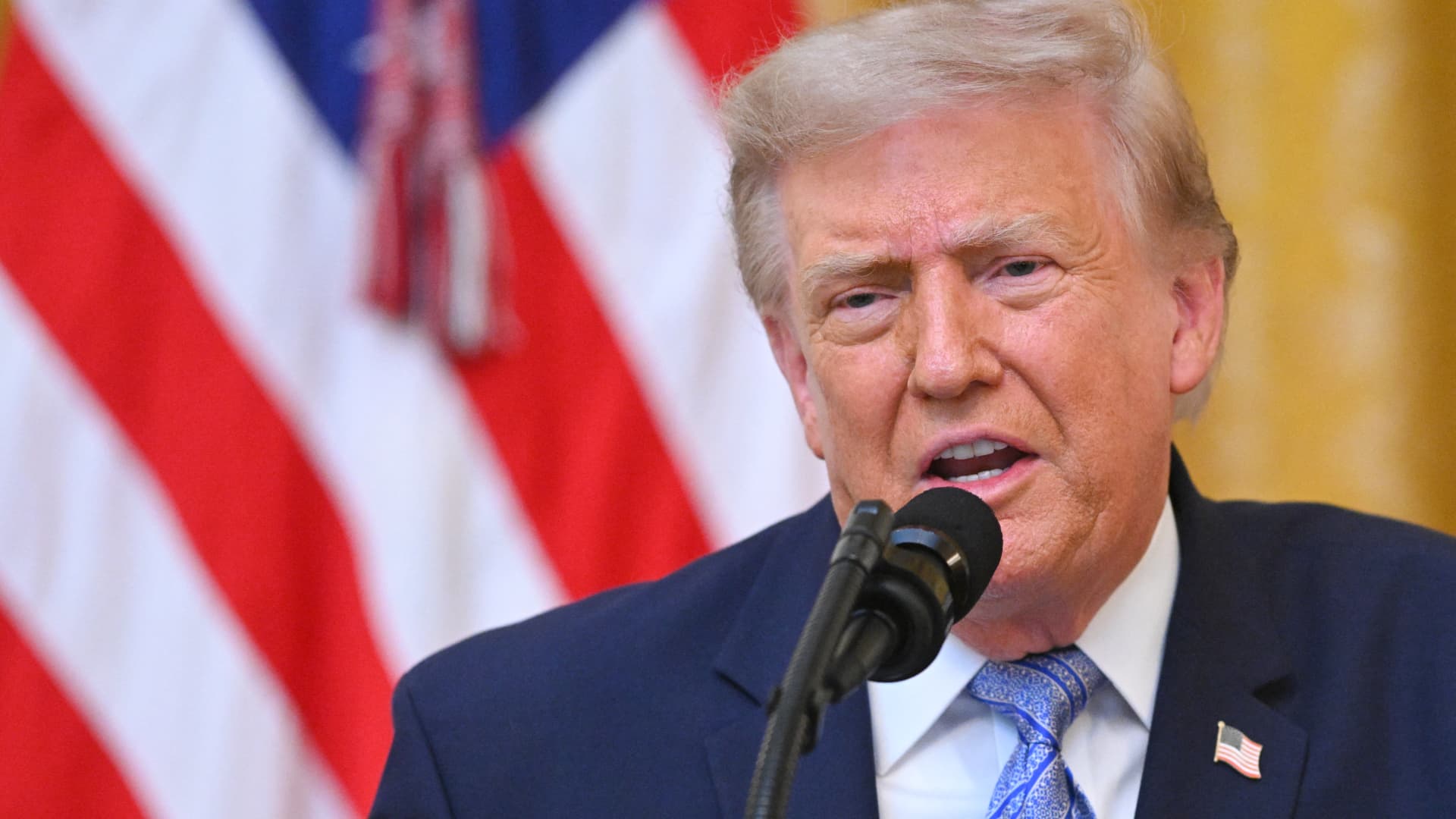
President Donald Trump has set out a tariff plan for imported generic medicines that would impose duties of up to 200% after a two-year grace period, a policy that could reshape supply chains for a global market valued at nearly $500 billion. The proposal would give manufacturers two years without tariffs, followed by a 100% duty for one year and then a 200% tariff, according to Trump’s Tuesday statement.
The administration says the measure is intended to encourage more pharmaceutical production in the United States. Generic drugmakers and analysts say the effect will depend on details that have not yet been defined, including which products are covered and how the government will treat medicines made domestically with imported active ingredients.
Generic medicines represent about 90% of prescriptions in the U.S., according to the Food and Drug Administration, while accounting for a smaller share of drug spending because prices are typically low. That makes the sector more exposed to abrupt cost increases than branded pharmaceuticals, where patent protection and higher margins can give manufacturers more room to absorb added expenses.
Why generics face a different calculation
Generic manufacturers usually enter the market after patents on branded drugs expire. Multiple companies often sell equivalent versions of the same medicine, competing mainly on price, manufacturing scale and efficiency. In that structure, even a modest rise in production or import costs can turn a product uneconomic.
Salil Kallianpur, an independent pharmaceutical consultant, told CNBC by email that a tariff of 100% to 200% on a product with single-digit margins would amount to a “market-exit notice.” He said companies with U.S. manufacturing capacity or more complex specialty portfolios may have more options, while high-volume exporters without a domestic footprint could face a harder adjustment.
Manufacturers facing higher costs would have several choices: absorb part of the tariff, try to pass costs to buyers, invest in U.S. facilities or withdraw from products that no longer make commercial sense. Namit Joshi, chairman of India’s Pharmaceuticals Export Promotion Council, told Indian news agency ANI that Indian producers could either transfer the tariff or leave the market. He also said building a domestic generic manufacturing base takes at least four to five years, longer than the two-year reprieve outlined by Trump.
Supply chains and price questions
Many generic medicines sold in the U.S. are made in India, while China is a major supplier of active pharmaceutical ingredients used in finished drugs. Those networks have developed over decades around lower production costs.
John Murphy III, president and chief executive of the Association for Accessible Medicines, said in a statement to CNBC that the industry needs more specifics on the policy. He said generic manufacturers have expanded their U.S. presence across the supply chain over the past two years, but that purchasing and reimbursement problems continue to discourage additional domestic production.
Murphy said the industry supports policies that stabilize generic drug access and wants talks with the administration and Congress on legislative and regulatory changes. He described the sector as a critical national security asset for the U.S.
The implications for medicine prices remain uncertain. The administration argues that tariffs can strengthen domestic supply over time by pushing production into the U.S. Industry representatives say tariffs could add stress to a market where competition has already pushed prices down.
Company exposure may vary
Analysts at Jefferies and Citi said companies with substantial U.S. manufacturing, including Amphastar Pharmaceuticals, ANI Pharmaceuticals, Hikma and Fresenius Kabi, appear better placed if the plan is implemented broadly as described.
The same analysts identified Teva, Viatris and Apotex as having greater exposure because they manufacture a larger share of products sold in the U.S. overseas. They cautioned that the final impact depends on the policy’s design.
Sandoz, one of the world’s largest generic drugmakers, told CNBC it was too early to assess the proposal because further information is needed on scope and implementation. The Swiss company declined to comment on whether the tariff plan could affect its manufacturing footprint or investment plans.
Kallianpur said investors appear to view the two-year period as time to prepare rather than an immediate shock. He said a central question is whether companies will need fully operating U.S. plants before the deadline, or whether announced and underway projects will be enough to qualify under any exemption or preferred treatment.
This story draws on original reporting from CNBC.


