Trump global tariffs draw objections over forced-labor rationale
U.S. trade partners challenged new 10% and 12.5% tariffs tied to forced labor, while most opted to keep talks open.
By Amanda Ross · Deals Correspondent
· 3 min read
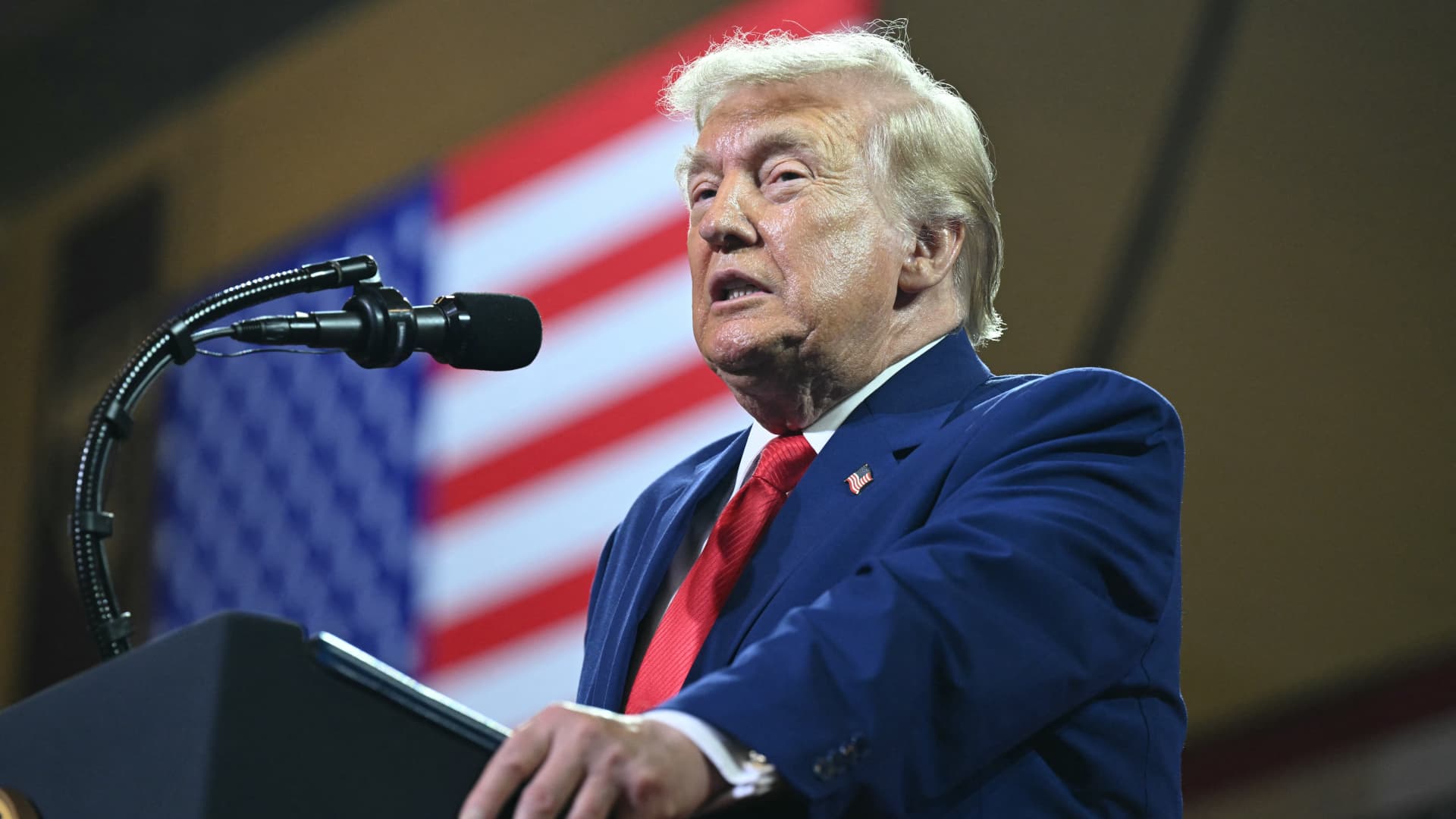
Trump global tariffs imposed on 60 economies drew objections from several U.S. trading partners after Washington tied the duties to what it said were failures to ban goods made with forced labor. The Office of the U.S. Trade Representative said Thursday the measures cover the top 60 U.S. trade partners and 99.4% of American imports, with rates of 10% or 12.5% depending on each economy’s import rules.
The action was taken under Section 301 of the Trade Act of 1974, according to USTR. Economies that have adopted or committed to import prohibitions on forced-labor goods face a 10% tariff, while those that have not face a 12.5% rate.
The new framework replaces a temporary 10% global tariff imposed under Section 122, which expires July 24. That stopgap followed a February Supreme Court ruling that found Trump’s emergency-powers tariffs unlawful, according to the account of the decision cited by the administration’s critics.
Why is the U.S. using forced labor to justify global tariffs?
Section 301 allows the U.S. to respond to foreign trade practices it considers unfair or burdensome to American commerce. In this case, USTR framed the tariffs as a response to trading partners’ failure to impose and enforce bans on forced-labor imports.
Analysts at the Peterson Institute for International Economics said this week the investigation is less a labor-standards case than an effort to push other countries toward Washington’s restrictions on Chinese forced-labor goods and to rebuild a tariff system after court setbacks. That interpretation has been echoed by some trading partners, which disputed the forced-labor rationale while leaving room for negotiations.
Australia rejected the measure and said it should be withdrawn. Trade Minister Don Farrell said in a statement that the tariffs were unjustified and inconsistent with the U.S.-Australia free trade agreement. He said Australia’s efforts against forced labor and modern slavery are among the strongest globally and have been recognized in the United States.
Brazil’s government described the duties as arbitrary and unjustified. President Luiz Inácio Lula da Silva said Brazil remained willing to negotiate, while adding that the country would look for other markets if it could not sell into the U.S. The new 12.5% tariff comes on top of a separate 25% Section 301 tariff imposed on Brazilian goods this month, creating a combined barrier of 37.5%.
Chile’s trade undersecretariat said the U.S. measure was inconsistent with the country’s labor standards and with the technical, political and legal evidence Santiago had submitted during the investigation. The Chilean government also said the U.S. resolution did not allege that Chile exports products made with forced labor, and said it would seek exclusions for key exports.
Canada was placed in the 10% tier and received an exemption for goods that comply with the U.S.-Mexico-Canada Agreement. Dominic LeBlanc, Canada’s minister for Canada-U.S. trade, said the decision was not unexpected and that Ottawa shares Washington’s goal of addressing forced labor. He said Canada would continue discussions with U.S. officials in the coming weeks.
New Zealand’s foreign ministry said in a market report that its trade minister had made clear Wellington disagreed with the findings and would keep raising that position with Washington. Existing exemptions for roughly 30% of New Zealand exports to the U.S., including beef and kiwifruit, remain in place, according to the ministry.
No major U.S. trading partner has announced countermeasures in response to the forced-labor tariffs. The initial response suggests governments are contesting the legal and factual basis for the duties while trying to preserve space for talks with Washington.
This story draws on original reporting from CNBC.


