Trump mail-in voting restrictions reach Supreme Court in emergency bid
The administration asked the justices to permit enforcement as states challenge Trump’s authority over state-run elections.
By Marcus V. Thorne · Markets Editor
· 2 min read
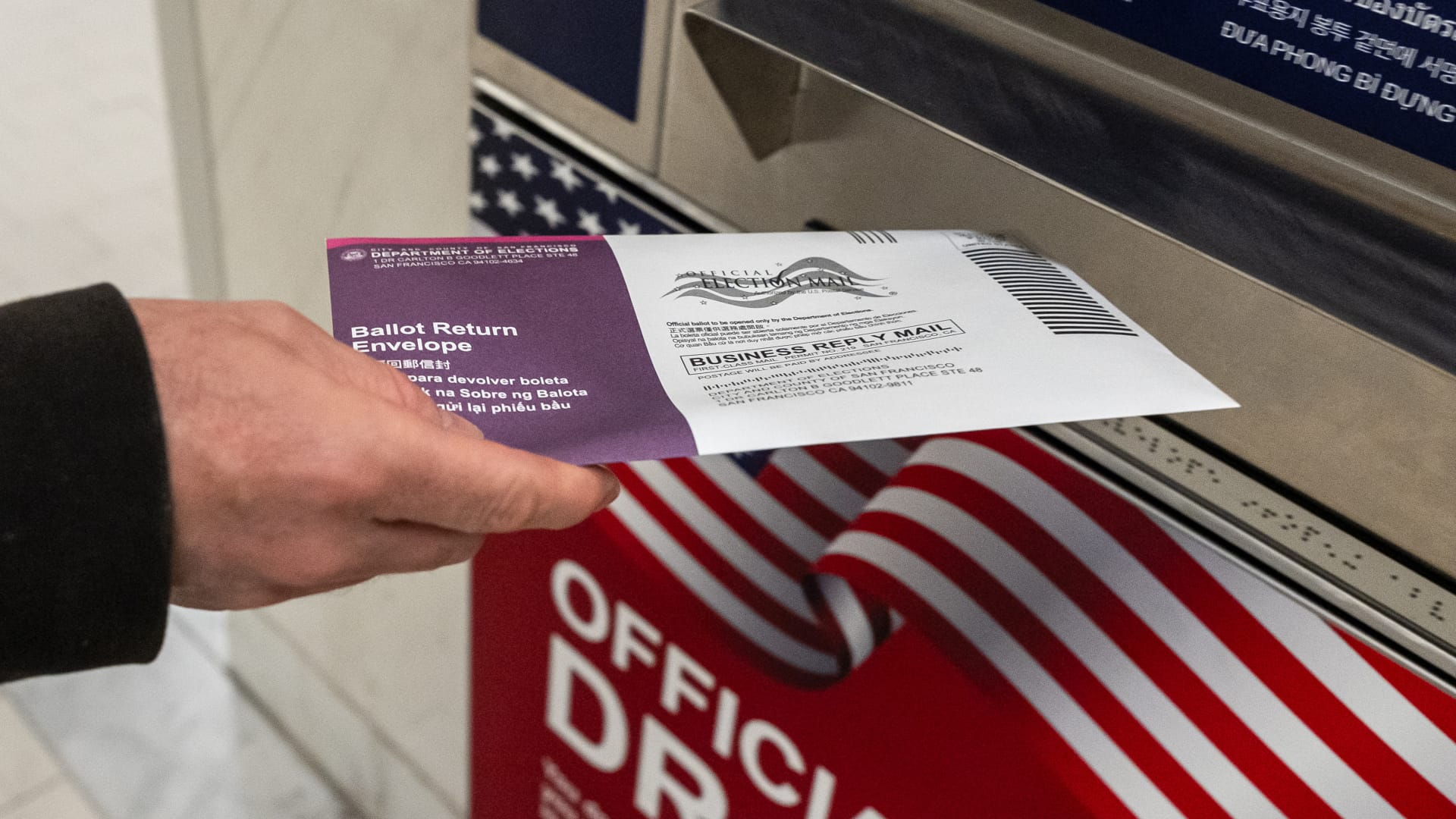
The Trump administration asked the Supreme Court on Monday to allow Trump mail-in voting restrictions to take effect while litigation continues, according to CNBC. The request puts the justices into a fast-moving election dispute 99 days before the November midterm elections.
The filing seeks emergency intervention after a federal appeals court, divided 2-1, declined on Saturday to lift a lower-court order that had halted central parts of President Donald Trump’s March executive order. That order concerns how federal agencies and the U.S. Postal Service would handle mail ballots.
CNBC reported that the blocked provisions direct federal agencies to assemble voter eligibility lists and restrict USPS delivery of ballots that are not connected to those lists. The states challenging the order say Trump does not have the legal power to impose federal voting rules on elections run by state and local authorities.
What are Trump’s mail-in voting restrictions?
The March executive order directs federal agencies to create voter eligibility lists and limits Postal Service delivery of ballots that are not tied to those lists, according to CNBC. In practice, that would connect federal list-building with the handling of mailed ballots, an area the challenging states say belongs to state and local election systems.
The emergency application asks the Supreme Court to let the administration enforce the order before the courts finish reviewing the underlying legal challenge. Emergency requests can produce quick action from the justices, but CNBC did not report a timetable for a Supreme Court response.
The case turns on a recurring division in U.S. election law: the balance between federal authority and state control over election administration. The states’ position, as described by CNBC, is that the president cannot set these rules by executive order because elections are administered by state and local officials.
The administration’s move follows a weekend appeals court decision that kept the existing injunction in force. Because the appeals court left the block intact, the contested portions of the executive order remain unenforced unless the Supreme Court grants relief.
The timing raises the stakes for election officials preparing for the November midterms. Mail-in ballot procedures require advance planning by state administrators, local election offices and postal authorities, and the dispute now sits before the nation’s highest court with fewer than 100 days before voting concludes.
No final ruling on the legality of the order has been reported. The Supreme Court request concerns whether enforcement may proceed during the case, while the broader challenge over presidential authority and state election administration remains unresolved.
This story draws on original reporting from CNBC.


