Trump rejects Iran’s Hormuz proposal as oil futures rise in early Asia
U.S. crude rose 1.3% and Brent gained 1.8% after Trump rejected Tehran’s conditional plan to reopen the Strait of Hormuz.
By Amanda Ross · Deals Correspondent
· 3 min read
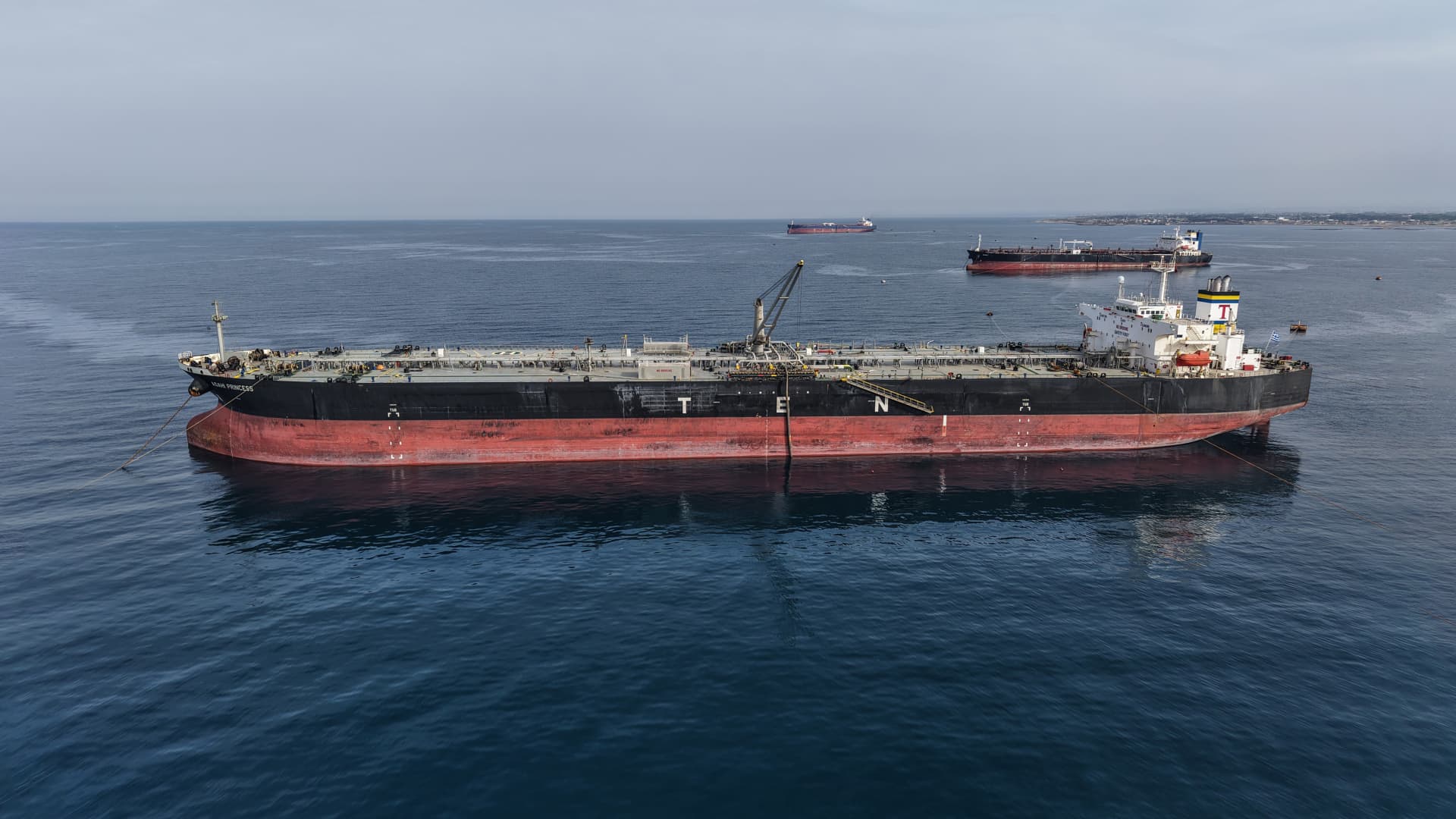
Oil futures rose in early Asian trading on Monday after President Donald Trump rejected Iran’s proposal to reopen the Strait of Hormuz, leaving uncertainty over the timing of a return to fuller shipping through the waterway. In the market snapshot reported by CNBC, U.S. crude for November delivery gained 1.3% to $93.62 a barrel, while Brent rose 1.8% to $106.31.
Trump publicly confirmed on Saturday that he had turned down Tehran’s offer. “They made a proposal but I rejected it,” he told reporters, according to CNBC. Reuters also reported that Trump said he had rejected the proposal.
The early move in oil followed the diplomatic development amid continuing disruption to oil flows through Hormuz, rather than establishing that the rejection alone accounted for the price gains. Reuters reported that the conflict has sharply reduced shipping through the route and disrupted oil flows.
What did Iran propose for the Strait of Hormuz?
Iran said it had conveyed the initiative to Washington through Qatari mediators during the United Nations General Assembly, Reuters reported. Foreign Minister Abbas Araghchi said the plan contemplated a seven-day timetable for reopening the strait and pausing regional hostilities if the United States accepted Tehran’s conditions.
The proposal did not establish that wider negotiations would restart within seven days. Reuters reported that wider discussions could begin after an agreement, while CNBC said Araghchi had linked the reopening to a return to nuclear negotiations with Washington.
According to reporting by the Associated Press, carried by PBS, Tehran sought the lifting of the U.S. naval blockade of Iranian ports, relief from sanctions on Iranian oil sales and a ceasefire including Lebanon. CNBC and Deutsche Welle also reported that Iran sought the release of frozen Iranian assets and an end to measures Tehran describes as economic warfare.
Why does Hormuz disruption affect oil markets?
The Strait of Hormuz is a key maritime passage for oil flows. Reuters said the conflict, which began with U.S. and Israeli attacks on Iran on February 28, has alternated between pauses and renewed strikes, disrupting the shipping lane. The prospect of reopening it is therefore closely watched in crude markets.
Trump called Iran’s proposed terms unacceptable. His assertions that Tehran was “losing” and that the United States was “winning” were his characterisations and were not independently established in the reporting.
Reuters reported that an unnamed U.S. official had earlier described discussions with Iran through intermediaries as “positive and constructive.” Separately, CNBC and Reuters cited a Wall Street Journal report that Trump had told aides he expected U.S. strikes to resume after November’s midterm elections. That report was based on unnamed U.S. officials and was not independently confirmed in the available accounts.
This story draws on original reporting from CNBC.