U.S. aid cuts raise food-crisis warning for UN agencies
Experts say reduced foreign assistance could weaken food-crisis monitoring and response as trade disruptions and climate risks compound pressure.
By David L. Chen · Senior Columnist
· 3 min read
U.S. aid cuts and food security have become a concern for United Nations agencies and humanitarian groups, with experts warning that reduced donor support could weaken surveillance for hunger emergencies and assistance when food prices jump. The risk comes as conflict-related disruption to grain, fertiliser and energy flows adds to climate and financing pressures on vulnerable countries, CNBC reported.
Chris Barrett, an agricultural and development economist at Cornell University, told CNBC that UN agencies, aid groups and research organisations were under financial strain as donors, including but not limited to the United States, reduced foreign assistance. He said lower funding could mean less monitoring and surveillance to identify emerging threats, while limiting the capacity to cushion poor households against sudden increases in food prices.
The Trump administration has sharply scaled back U.S. foreign aid by dismantling the U.S. Agency for International Development, CNBC reported. The report did not specify the size of any funding shortfall at the UN Food and Agriculture Organization, or document a measured effect on its operations.
How could reduced aid affect food-crisis warnings?
In this context, warnings that the world could enter food crises “blind” refer to a possible reduction in early-warning monitoring and in the resources available to respond to shocks. They do not mean that food-security data collection or international response capacity has ceased.
Barrett said the resulting gaps could leave families more exposed when prices rise quickly. He warned that more severe hunger and social unrest could follow where governments cannot protect food security, although this was an assessment of risk rather than a forecast of a defined outcome.
According to figures cited by CNBC from the World Health Organization and the UN World Food Programme, more than one-quarter of the global population experienced moderate or severe food insecurity in 2025. The report also said that more than 266 million people face acute hunger this year.
What other food-security risks are in view?
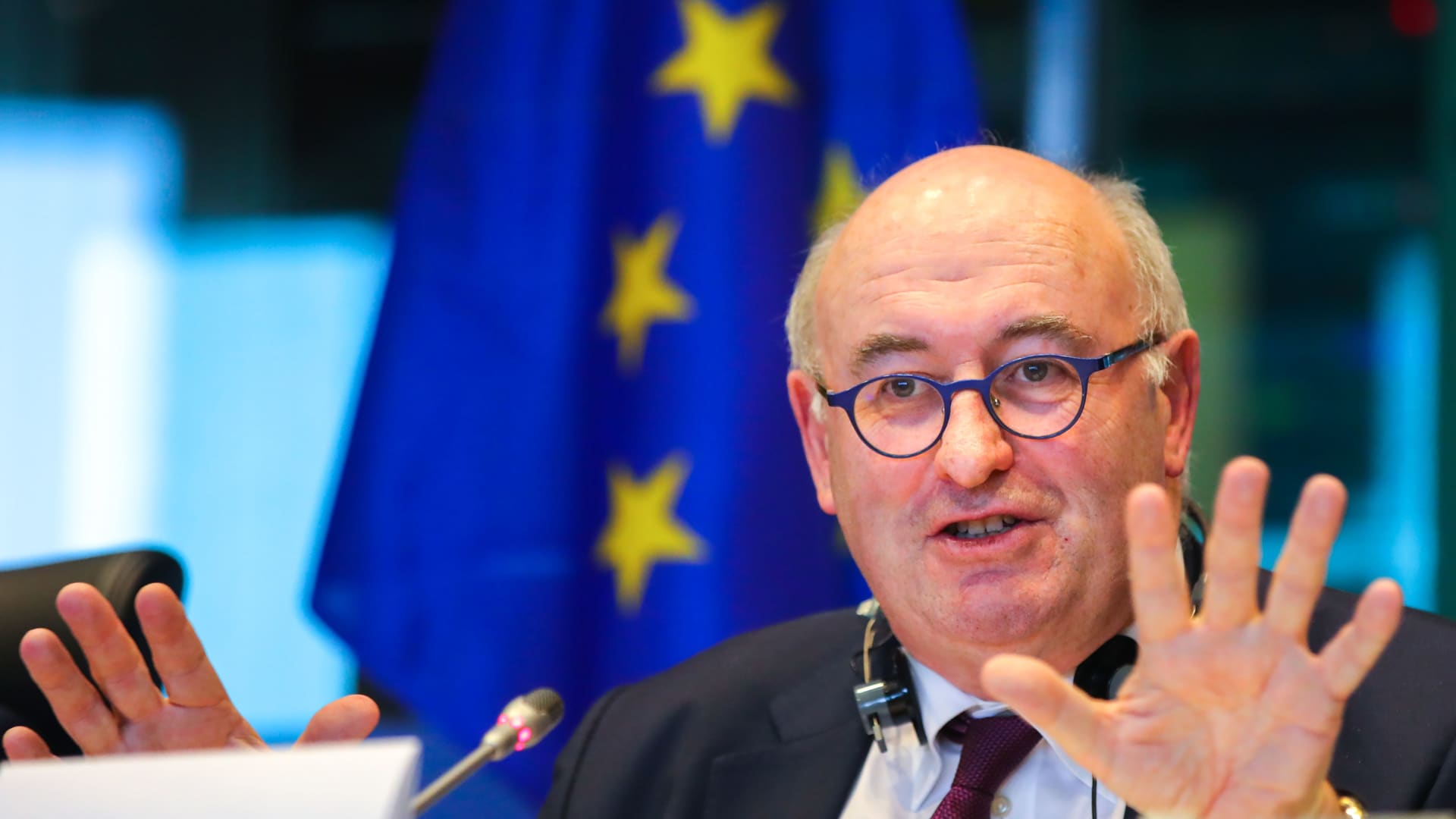
Phil Hogan, a former European Union agriculture and trade commissioner who is campaigning to become FAO director-general, cited the war in Ukraine, disruption around the Strait of Hormuz and a possible El Niño event as factors that could contribute to food emergencies in 2027. These are prospective risks, not confirmed outcomes.
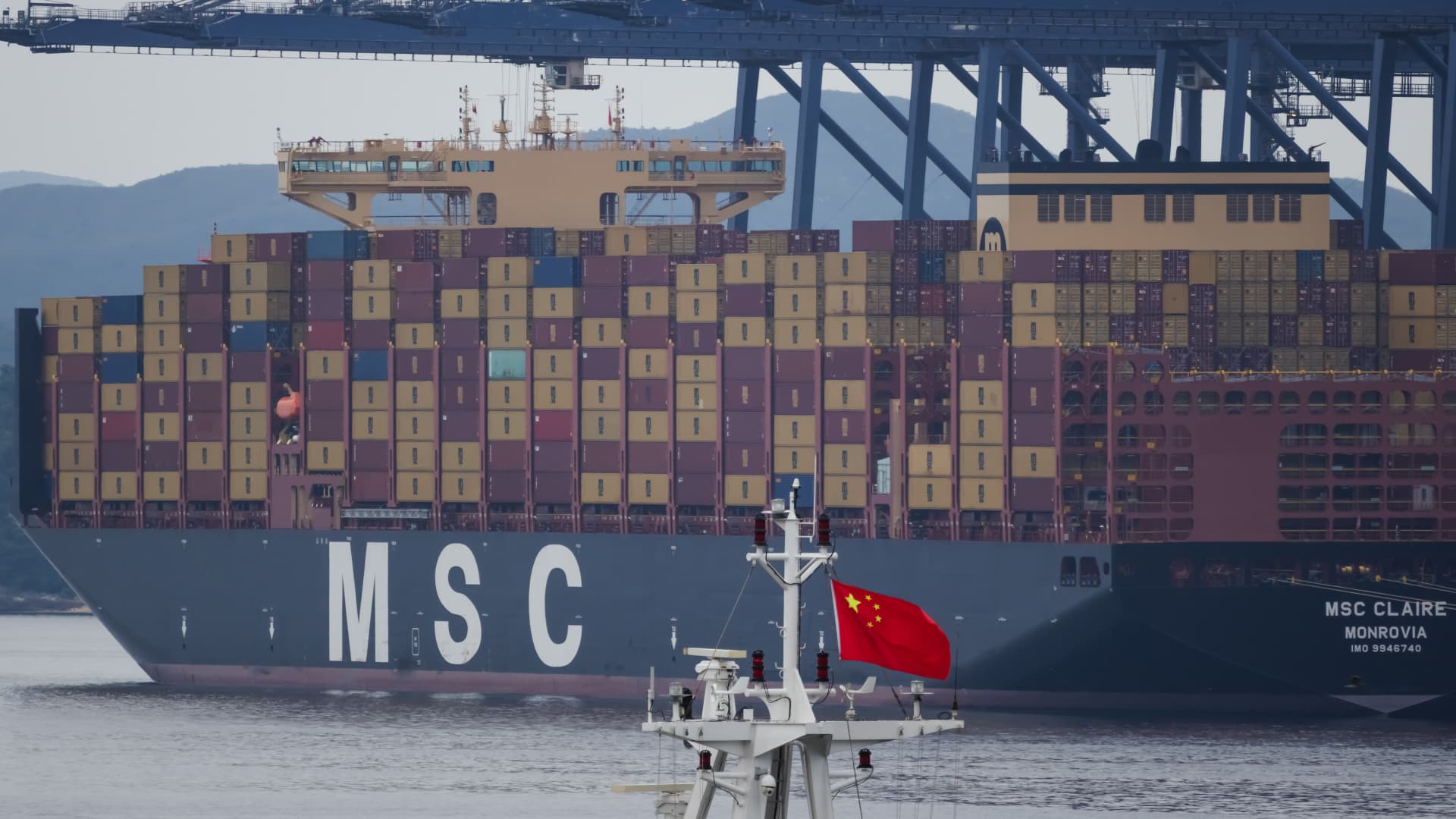
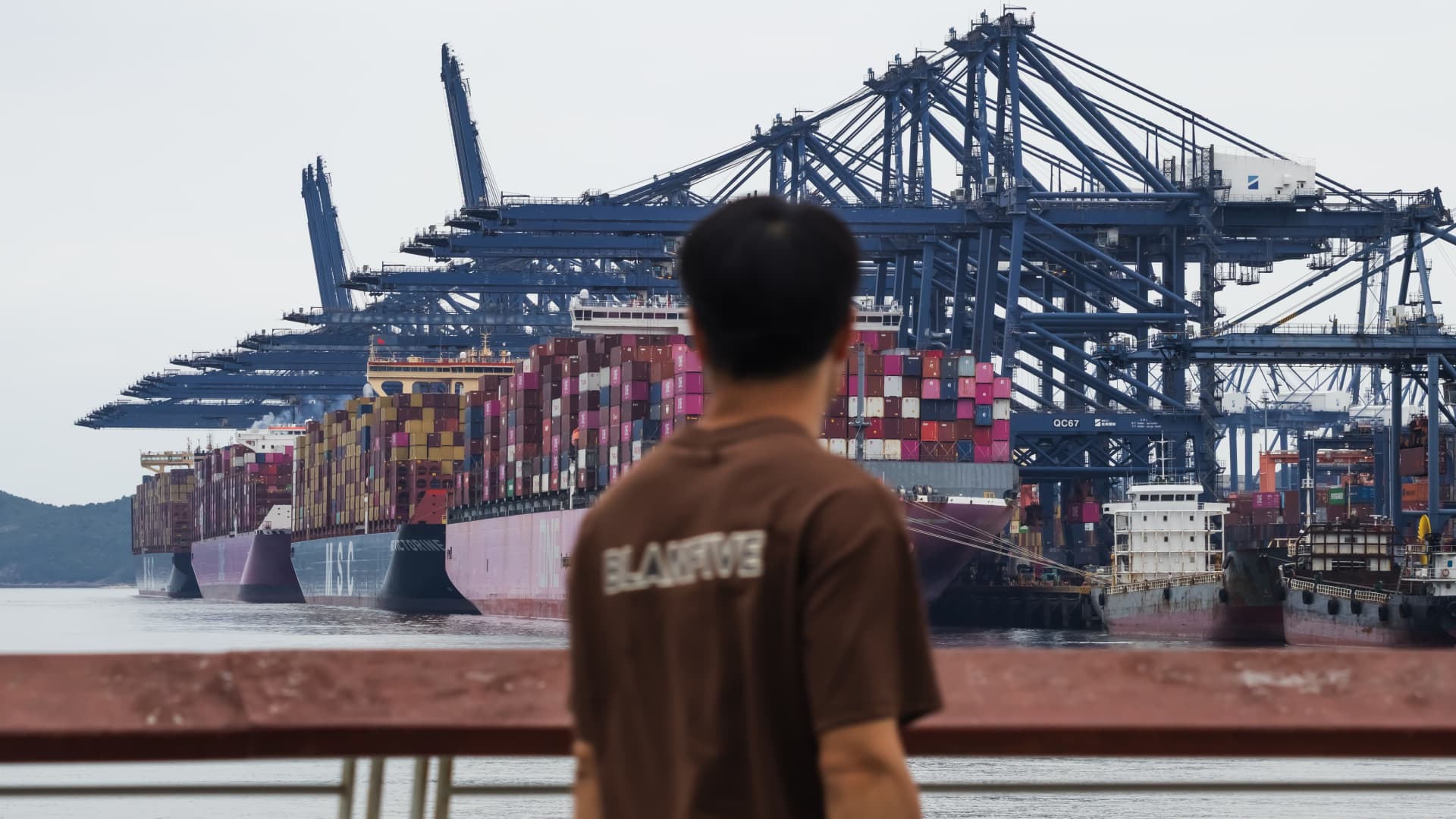
CNBC reported that the Ukraine war has disrupted wheat trade through the Black Sea. It also said delays to commodity supplies through the Strait of Hormuz had prompted FAO warnings that poorer countries were especially exposed, because interruptions to fertiliser and energy supplies could reduce output and raise prices.
Hogan said other FAO member states would need to help support the agency as Washington withdraws from some programmes, including work on animal disease and food safety. If elected, he said his initial focus would include shifting staff from headquarters to offices in areas facing severe food shortages. Those proposals form part of his campaign for the agency’s leadership, rather than an announced FAO policy.
Chris Newton, a food-security analyst at the International Crisis Group, told CNBC that climate shocks, conflict, fuel pressures, high interest rates and donor cuts had reduced the world’s ability to anticipate and respond to major food emergencies.
This story draws on original reporting from CNBC.