Indonesia finance minister Suahasil Nazara faces fiscal credibility test
Suahasil Nazara has replaced Purbaya Yudhi Sadewa, with the 2027 budget set to test his pledge to keep Indonesia’s deficit below 3% of GDP.
By David L. Chen · Senior Columnist
· 3 min read
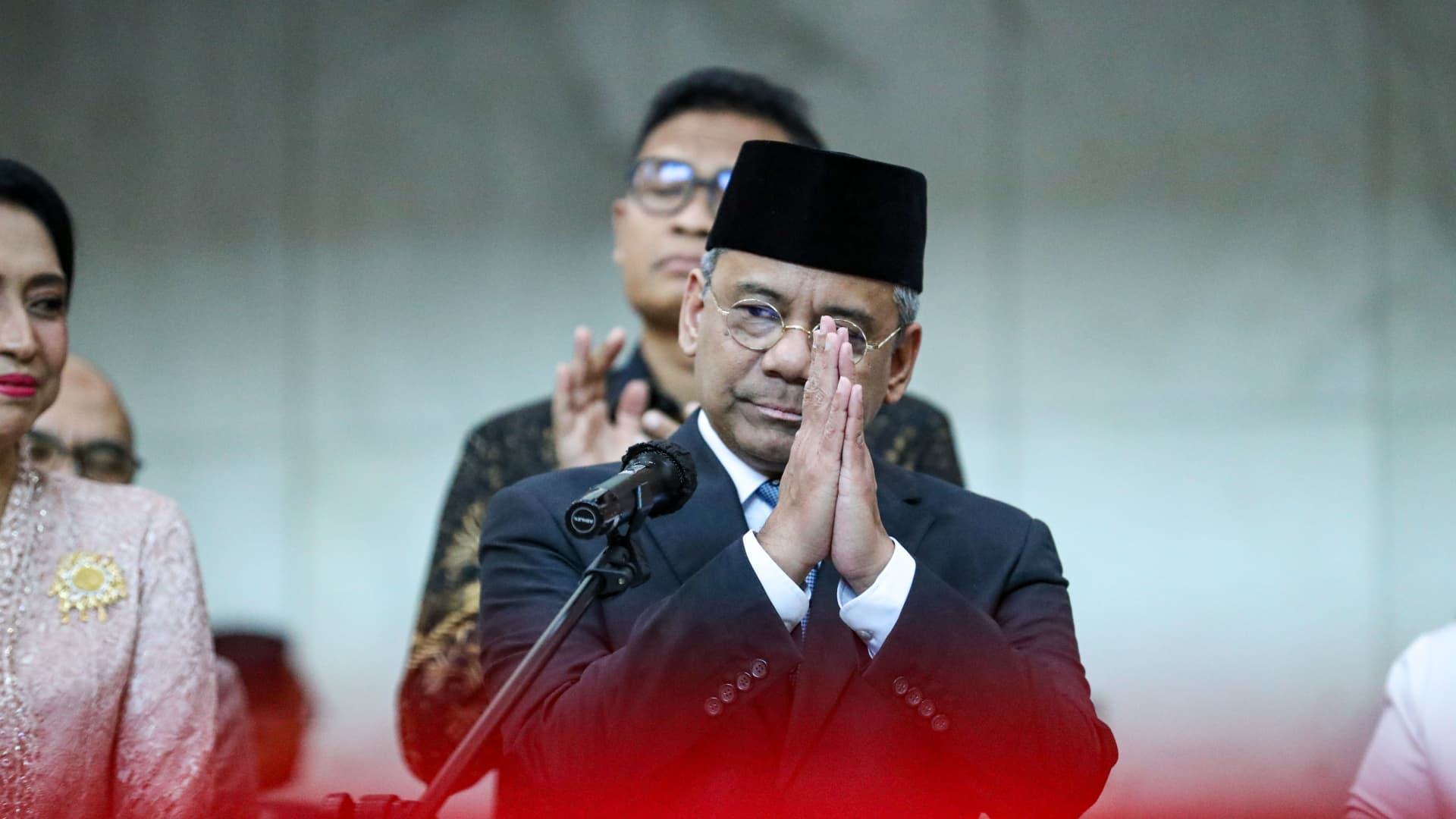
Indonesia finance minister Suahasil Nazara was sworn in shortly after President Prabowo Subianto dismissed Purbaya Yudhi Sadewa, CNBC reported. The change puts renewed attention on a fiscal deficit expected to reach 2.85% of gross domestic product in 2026 and on Nazara’s commitment to keep it below the government’s 3% ceiling.
Nazara takes office as Indonesia seeks to reassure markets after a period of policy uncertainty. CNBC reported that Fitch and Moody’s cut the country’s credit-rating outlooks during Purbaya’s one-year tenure, while the rupiah reached record lows in June. The currency had strengthened to 17,680 per dollar by the Wednesday cited in the report.
In his first remarks as minister, Nazara said he would protect the credibility of the budget and maintain the deficit below 3% of GDP, according to CNBC. The target is significant because the government must also finance Prabowo’s growth programme with what Economist Intelligence Unit senior Asia analyst Qi Hang Tay described to CNBC as increasingly limited fiscal space.
What will investors watch from Indonesia’s new finance minister?
The first major signal will come in the 2027 budget. Tay told CNBC that its spending plans, revenue assumptions and projected deficit would provide early indications of whether policymaking is changing. He also said that curbing or postponing programmes that have not generated rapid economic momentum relative to their cost would suggest a more substantive adjustment, provided fiscal credibility is preserved.
Capital Economics senior Asia economist Gareth Leather told CNBC that Nazara would need to state his priorities more clearly and give investors steadier signals on fiscal policy. Leather called the appointment a positive development, but said further evidence of improved policymaking would be required before concluding that the country had changed direction.
Fiscal and monetary policy will form a second test. Tay said a more clearly defined division between the government and Bank Indonesia would be an important indication, particularly if the government stops relying on the central bank to support growth or take on a greater share of financing. CNBC reported that DBS Bank economist Radhika Rao viewed fiscal credibility as an underpinning for the bond market and the rupiah.
Nazara brings extensive ministry experience to the role. He previously served seven years as deputy finance minister and led the Finance Ministry’s fiscal policy agency between 2015 and 2019, CNBC reported. Tay said his familiarity with the ministry’s budget processes reduced the risk of disruption during the transition.
The appointment has also drawn a less favourable reading. Joshua Kurlantzick, a senior fellow at the Council on Foreign Relations, told CNBC that Nazara’s promotion was a concerning indication of greater concentration of economic authority under Prabowo and raised concerns about Bank Indonesia’s independence.
Tay identified the 2027 budget choices and the government’s treatment of the central bank as early tests of whether Nazara can pair deficit discipline with the administration’s spending ambitions.
This story draws on original reporting from CNBC.