Iran war household cost estimated at $1,760, Moody’s Analytics says
Moody’s Analytics estimates higher energy, borrowing and military costs have added $1,760 per U.S. household since the conflict began.
By Sarah Jenkins · Chief Macro Economics Correspondent
· 3 min read
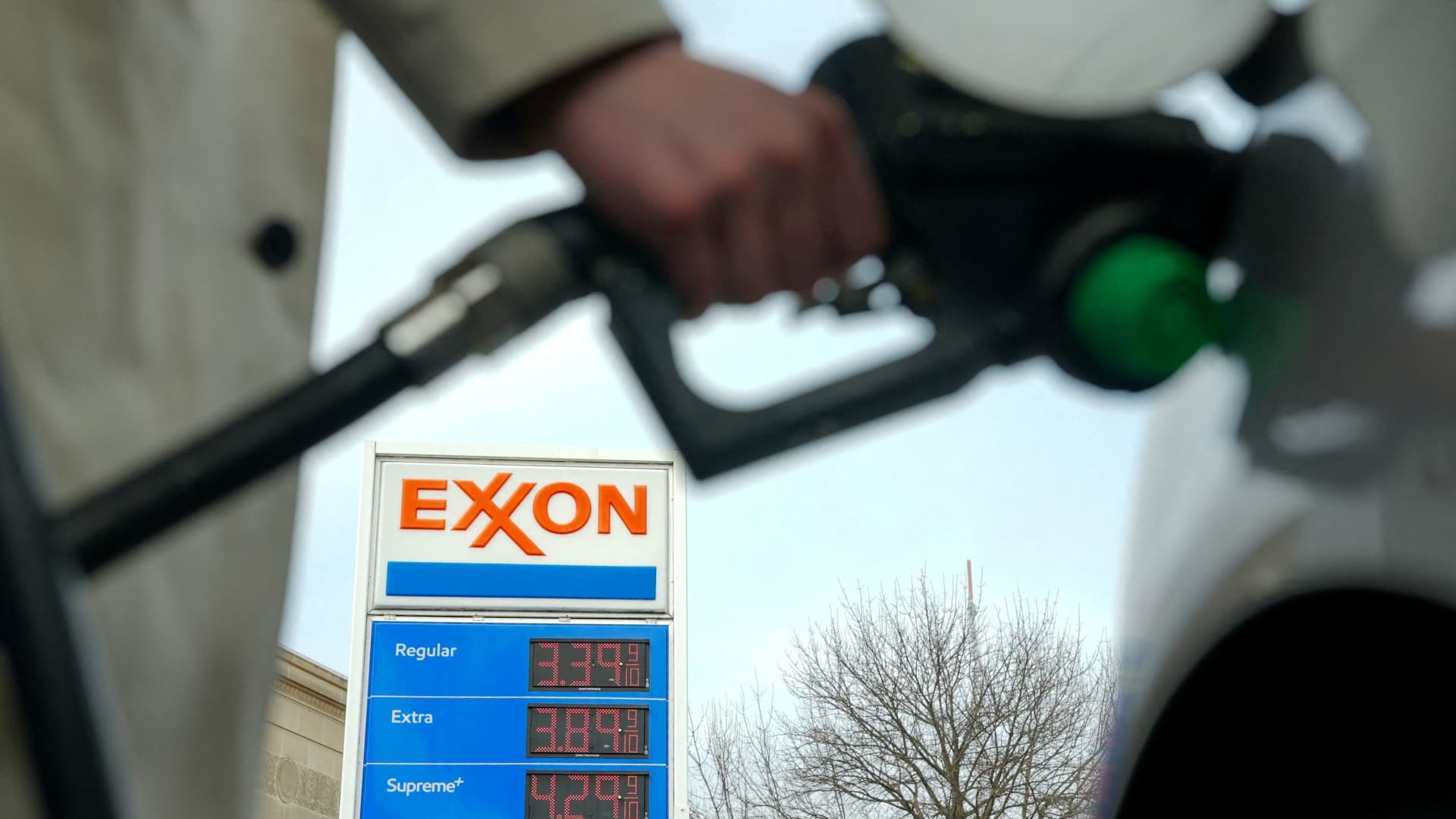
The estimated Iran war household cost is about $1,760 per U.S. household since the conflict began, according to Moody’s Analytics calculations reported by CNBC on September 16. The figure, measured as of September 11, combines higher energy and borrowing costs with the expected cost of military spending; it is a modelled average cumulative burden, rather than an invoice paid uniformly or immediately by every household.
Moody’s Analytics allocated $930 of the estimate to energy, $425 to higher interest rates and $405 to military spending. The headline figure of roughly $1,700 is therefore a rounded version of the $1,760 estimate.
How is the Iran war household cost calculated?
Energy represents just over half of the estimated total. Mark Zandi, chief economist at Moody’s Analytics, said the category includes pressure from gasoline, diesel and jet-fuel prices. Moody’s estimated that U.S. consumers had spent more than $121 billion extra on energy cumulatively since the conflict began, CNBC reported.
The remaining components work through credit markets and public finances. The 10-year Treasury yield is a benchmark that helps shape borrowing costs across the economy, including for mortgages and vehicle financing. When the yield rises, lenders can charge higher rates on new loans. Zandi said the military-spending element would ultimately be financed through additional federal debt or taxes.
These connections illustrate how changes in particular markets can spread through the wider economy, a distinction covered in microeconomics and macroeconomics. The Moody’s estimate does not establish that every household faces the same mix of fuel, loan and tax effects.
Oil, fuel and mortgage-rate pressures
CNBC reported that U.S. crude oil topped $105 a barrel on the Tuesday before its September 16 report, the highest closing level since mid-May. The national average gasoline price exceeded $4.32 a gallon that day, according to AAA data cited by CNBC, up 6% from a month earlier and 36% from a year earlier.
Diesel prices had moved above $6 a gallon and were roughly 70% higher than a year earlier, according to AAA figures cited in the report. Since diesel is widely used to move goods by road, economists warned that businesses could seek to pass higher transport costs through to shoppers. A May Deloitte analysis estimated that a 20% increase in crude prices could add about 0.3 percentage point to inflation before secondary effects such as food and airfares.
On borrowing, the 10-year Treasury yield reached its highest level since 2007 on that Tuesday, CNBC said, and stood about a percentage point above its level a year earlier. The average 30-year fixed mortgage rate exceeded 7% during the month of the report, its first move above that threshold in more than a year.
Household concerns had already risen: 44% of respondents in the University of Michigan consumer survey expected borrowing costs to increase over the following year as of July, 10 percentage points more than a year earlier. The reported figures describe economists’ assessment of the conflict’s associated costs and market moves, while the underlying methodology was not made available in the report.
This story draws on original reporting from CNBC.