Robot relations department proposed as workplace AI use grows
A Brookings fellow’s proposal would add a robot relations function to HR as algorithmic management becomes widespread in workplaces.
By Amanda Ross · Deals Correspondent
· 3 min read
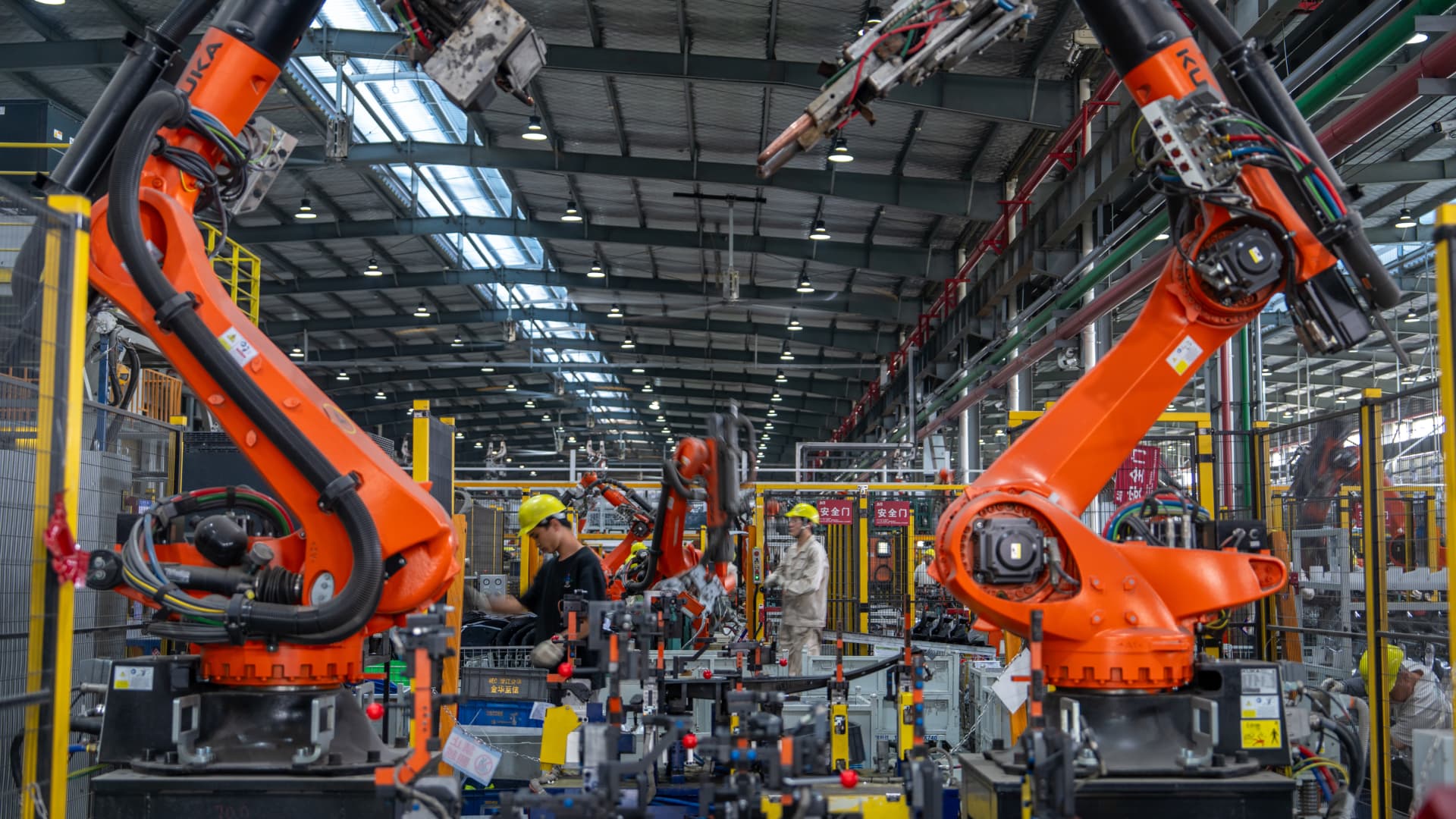
A robot relations department is being proposed as a future addition to human resources, rather than as a documented corporate function already in place. The idea comes as algorithmic management is already common: 90% of US managers in an OECD survey said their firms use at least one tool to instruct, monitor or evaluate workers.
Darrell M. West, a senior fellow at the Brookings Institution, argued in a July commentary that companies may need to supplement HR as employee concerns increasingly involve AI agents, large language models and collaborative robots, known as cobots. CNBC reported that West’s formulation remains an early one, with the term “robot relations” not yet an established corporate label.
What would a robot relations department do?
West’s proposal points to a function concerned with workplace grievances, challenges and anxieties arising from employees’ interactions with AI systems. CNBC reported that the practical questions could include whether an employee can be required to use AI and how responsibility should be assessed when work supported by a human and an AI system goes wrong.
That describes a possible supplement to HR, not a specified operating model. The evidence does not show companies have formed dedicated robot-relations departments, nor does it set out formal complaint channels or decision-making powers for such a unit.
Why algorithmic management is central
The OECD defines algorithmic management as technology that fully or partly automates tasks traditionally performed by managers. Such tools may use AI, though not all do. They can allocate schedules or activities, assign clients and give task instructions. They can also track working time, speed, location, communications, fatigue and health and safety, while evaluation systems can set targets, reward performance, apply sanctions or maintain leaderboards.
The OECD survey covered more than 6,000 mid-level managers in France, Germany, Italy, Japan, Spain and the US. Adoption was reported by 90% of US managers, compared with an average of 79% in the four European countries surveyed and 40% in Japan. More than three-quarters of US managers said their firms supplied 10 or more of the 15 tools covered by the survey.
The organisation said managers using the tools saw benefits in the quality and speed of decisions and in the information available to them. Yet nearly two-thirds of users also reported concerns about effects on workers. The most common was unclear accountability when a decision proves wrong, followed by difficulty following an algorithm’s reasoning and concerns about protection of physical and mental health.
Policy and employment questions
CNBC reported that automated workplace decisions have drawn attention from employees, unions and lawmakers. It cited a California bill, then awaiting Governor Gavin Newsom’s decision, that would bar “robo bosses” from firing or disciplining workers. The report also described a lawsuit in which former Meta employees alleged that AI-assisted systems were used in layoff selection; Meta denied those allegations.
The OECD recommends worker consultation and social dialogue when employers introduce algorithmic-management tools, alongside review of whether existing laws adequately address potential harms. A robot-relations function, if companies adopt the concept, could become one organisational response to those questions, but it remains a proposal rather than an established feature of workplaces.
This story draws on original reporting from CNBC.