UK inflation in August 2026 rises to 3.1% as fuel costs climb
UK CPI inflation rose from 2.9% to 3.1% in August, led by sharply higher petrol, diesel and long-haul airfares.
By Sarah Jenkins · Chief Macro Economics Correspondent
· 3 min read
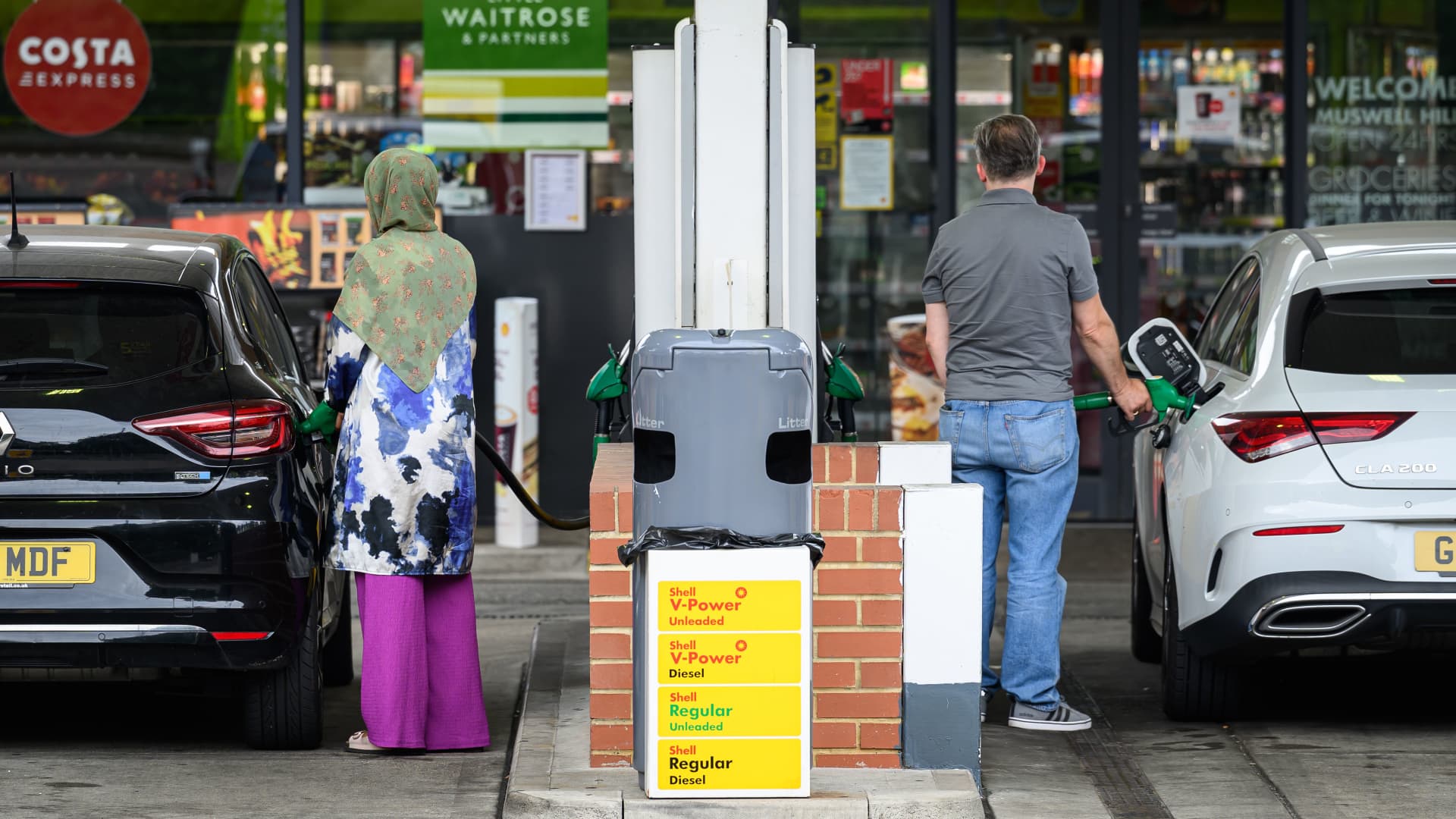
UK inflation in August 2026 rose to 3.1% in the 12 months to August, up from 2.9% in July, according to the Office for National Statistics. The increase, driven principally by fuel costs, arrives before the Bank of England’s latest interest-rate decision and adds to pressure on household budgets.
The Office for National Statistics said sharp increases in petrol and diesel prices lifted the headline Consumer Prices Index rate. CNBC reported that motor-fuel prices were 23% higher than a year earlier, while The Guardian reported that petrol rose by 9.1p a litre between July and August to 161.3p, and diesel rose by 14.2p to 181.8p.
Those moves left petrol at its highest average price since November 2022, according to CNBC. The Guardian also reported that airfares increased by 6.2% over the month, with long-haul journeys a particular contributor.
Why did UK inflation rise in August 2026?
Inflation measures the change in prices across a weighted basket of household purchases, rather than the experience of any one bill or product. The way inflation is measured means large price changes in categories such as motor fuel can raise the overall rate, while individual households may see a different effect depending on their spending.
At an annual CPI rate of 3.1%, an item that cost £100 a year earlier would cost £103.10 on average, as Press Association reporting carried by Yahoo Finance illustrated. That is a basket-level comparison, not an estimate for every purchase or household.
The reports indicate that the acceleration was concentrated in energy-related categories rather than spread widely through the price basket. The Guardian said core inflation, which excludes volatile food and energy components, was unchanged at 2.6% in August. Services inflation, an indicator closely watched by the Bank of England, also held at 3.4%.
CNBC reported that electricity, gas and other household-fuel costs were 6% higher than a year earlier. Rising crude prices were cited in the reporting as the backdrop to the increase in transport and energy costs, though the supplied evidence does not establish a single cause for those market moves.
What could the figures mean for Bank of England rates?
The data were published a day before the Bank of England’s Monetary Policy Committee was due to announce its decision. Market pricing still pointed to a hold at the 3.75% policy rate: CNBC, citing LSEG data, reported a probability above 80%, while The Guardian described a one-in-five chance of a quarter-point increase.
James Smith, an economist at ING, told CNBC that the release did not signal a need for a rate rise, arguing there was little evidence of the energy shock spreading to other parts of the inflation basket. The policy decision and any later changes in rates remain matters for the Bank’s committee.
This story draws on original reporting from CNBC.