Kevin Warsh faces divided Fed vote before expected rate hike
Markets heavily priced a September Fed increase, but July’s 9-3 hold and differing views on inflation left Kevin Warsh with uncertain support.
By Sarah Jenkins · Chief Macro Economics Correspondent
· 3 min read
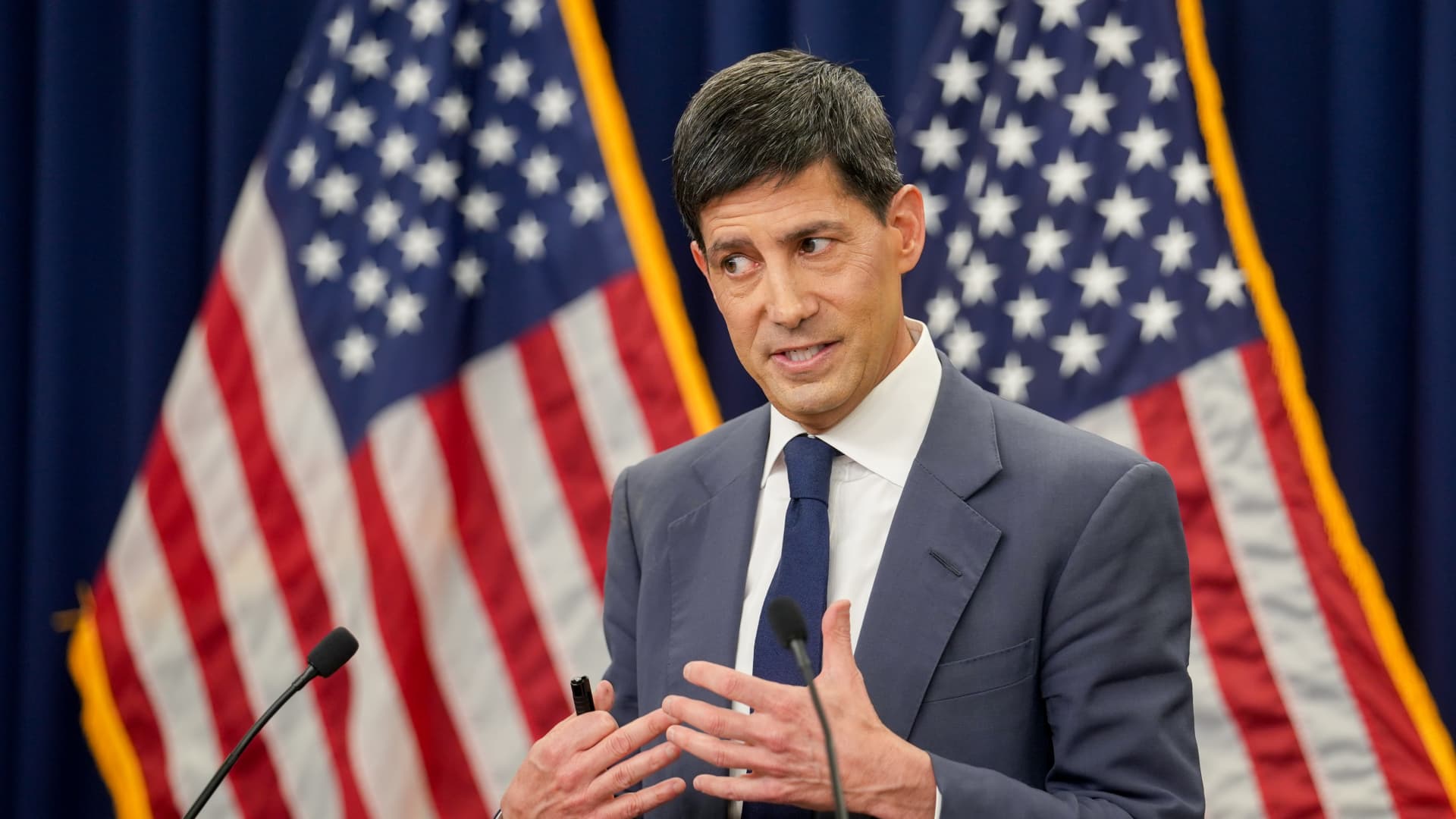
Kevin Warsh faced a difficult vote count ahead of the Federal Reserve’s September 15-16 meeting, even as markets strongly expected the central bank to raise interest rates. CNBC reported that futures markets on Monday afternoon assigned better than a 92% probability to a quarter-percentage-point increase, while the federal-funds target range stood at 3.50% to 3.75%.
The expected decision had not been made. The central issue was whether enough members of the rate-setting Federal Open Market Committee would shift from the position taken in July, when the committee voted 9-3 to leave rates unchanged, CNBC reported.
Will Kevin Warsh win support for a Fed rate hike?
Three regional Fed presidents, Lorie Logan of Dallas, Beth Hammack of Cleveland and Neel Kashkari of Minneapolis, dissented at the July meeting in favour of a quarter-point increase. If all three retained that view, four officials who had backed holding rates in July would need to move to support a hike, according to CNBC. The available reporting does not establish a complete forecast of the 12 voters.
Recent public comments pointed to a genuine policy divide. Governor Christopher Waller said on September 3 that he favoured another hold, arguing that a 25-basis-point move at that meeting would not bring consumer-price inflation back to 2%. New York Fed President John Williams had supported a wait-and-see approach, CNBC reported. Governor Michael Barr said he was open to an increase but was not committed to one.
Warsh was widely expected to support higher rates after his Jackson Hole remarks, CNBC reported. Governor Lisa Cook had also said in August that she was prepared to act against inflation. Those signals did not settle the committee’s outcome.
Why were markets expecting the Fed to act?
The August consumer price index showed headline inflation running at 3.4% over 12 months, while core inflation, excluding food and energy, was 2.4%, down 0.1 percentage point from July, CNBC and Politico reported. For an explanation of how different price measures are constructed, see Treasury’s guide to inflation measurement.
Politico reported that CME FedWatch odds exceeded 85% after the September 11 inflation release. By Monday afternoon, CNBC put the implied probability above 92%, a change in market expectations rather than confirmation of an FOMC decision.
Economists differed over what the data required. Goldman Sachs economist David Mericle said the overshoot of the Fed’s 2% goal could be attributed to one-time influences likely to fade, including tariffs and an energy supply shock, according to CNBC. The same report said Goldman nevertheless changed its call to a hike, citing the force of market expectations. Other officials worried that recent price pressures could spread more widely or become more persistent.
A rate increase would carry political sensitivity because it would fall less than two months before midterm elections, Politico reported. The Federal Reserve says Congress has granted it operational independence, while requiring it to pursue maximum employment and stable prices.
The FOMC sets a target range for the federal funds rate, which is the overnight rate associated with bank borrowing. The Fed says raising that target range constitutes monetary tightening and normally affects other interest rates and broader financial conditions. The statement, vote tally and Warsh’s remarks after the meeting would therefore matter alongside the size of any move.
This story draws on original reporting from CNBC.