U.S.-Canada import ban to cover alcohol, whey and motorcycles from Sept. 29
Washington will bar specified Canadian goods from Sept. 29 while separately revising its 50% tariff list on Sept. 15.
By David L. Chen · Senior Columnist
· 3 min read
The U.S.-Canada import ban will take effect on Sept. 29 after President Donald Trump signed five proclamations restricting entry of specified Canadian goods, the White House said. The measures replace 50% Section 338 tariffs for certain products, while a separate revision to the tariff list is scheduled for Sept. 15.
The White House said the action responded to Canada’s latest retaliatory tariffs and what the administration characterizes as discriminatory treatment of U.S. alcohol, dairy and motor-vehicle exports. Those characterizations are the administration’s position.
Which Canadian products are subject to U.S. import bans?
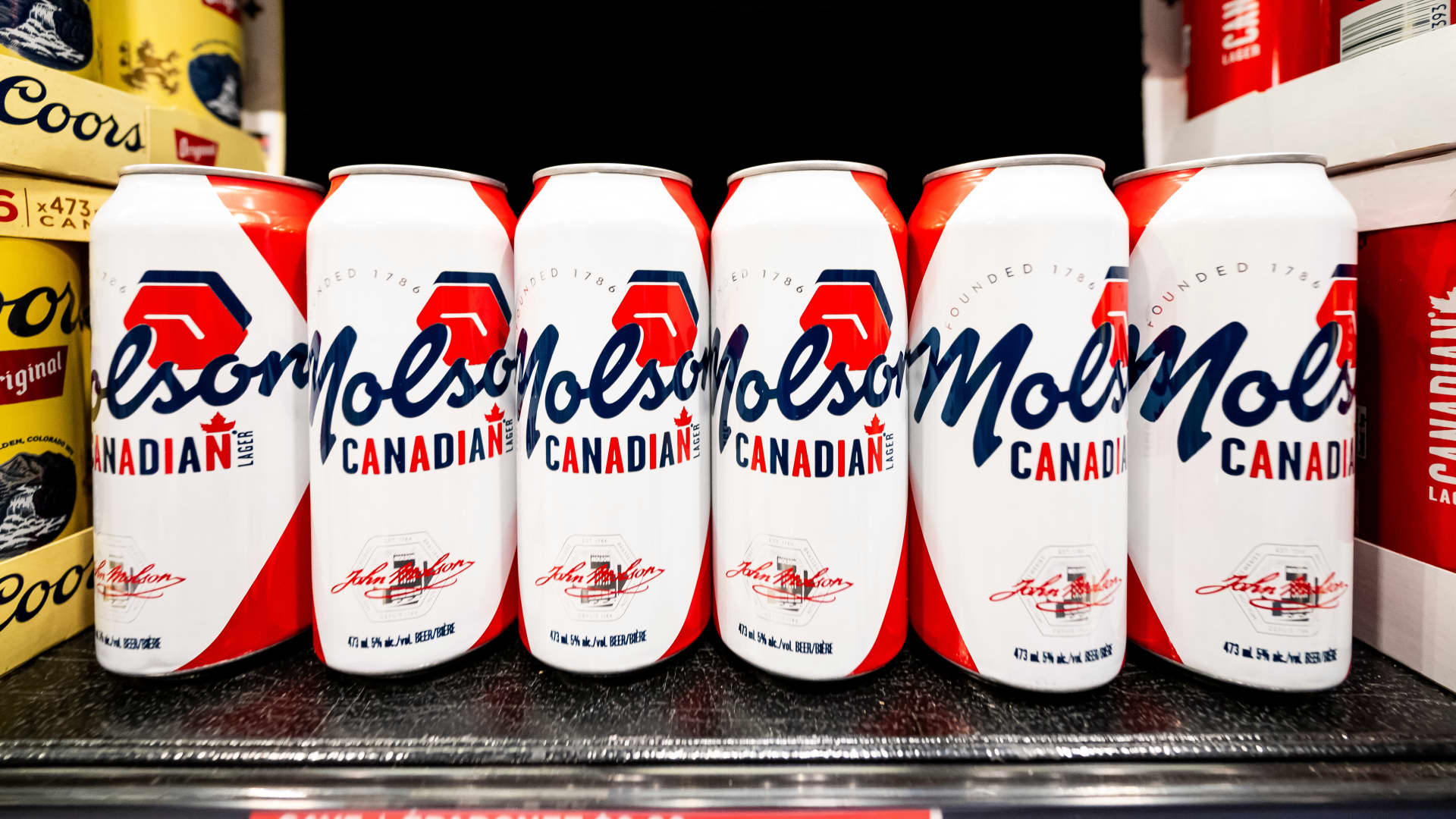
CNBC reported that the restrictions cover Canadian whey products and molasses; non-alcoholic beer; alcoholic drinks including malt beer, wine, cider, whisky, vodka and other spirits; and larger-capacity motorcycles and mopeds. CBC described the coverage as including most alcoholic drinks, some dairy products and motorcycles.
The announcements do not establish that all Canadian dairy or alcoholic products are covered. The White House described the bans more broadly as applying to certain Canadian alcohol, dairy and other products that had been subject to 50% duties.
Two implementation dates
- Sept. 15: The administration will alter the goods covered by the remaining Section 338 tariffs. The White House said rock salt and cement will be removed, while new covered products range from all-terrain vehicles to additional dairy products. CNBC also reported the addition of animal hides; CBC reported mattresses and motorboats among the new tariff-covered products.
- Sept. 29: The import prohibitions on the specified Canadian goods are due to begin, according to the White House and CNBC.
The White House says the Section 338 tariffs apply to covered goods irrespective of their status under the U.S.-Mexico-Canada Agreement and in addition to tariffs imposed under Section 232 of the Trade Expansion Act. Section 338 of the Tariff Act of 1930 permits the president to impose duties of up to 50%, or to amend or revoke related proclamations, according to an August presidential proclamation.
How the latest U.S.-Canada trade action developed
On July 20, the White House announced three Section 338 proclamations that placed additional 50% tariffs on selected Canadian products connected with alcohol, dairy and motor vehicles. A subsequent proclamation moved their effective date from Aug. 19 to Aug. 22.
Canada’s latest countermeasures took effect on the same day as the Sept. 8 U.S. announcement. The White House said Ottawa imposed tariffs on about US$20 billion of American exports, including steel, dairy and agricultural equipment. CNBC reported that Canada called its action “dollar for dollar” and put its coverage at CA$27.6 billion of U.S. imports, spanning more than 700 goods. The figures are reported in different currencies.
U.S. Trade Representative Jamieson Greer told CNBC the new U.S. steps followed Canada’s treatment of American exports. The White House has also said Trump directed the U.S. Trade Representative and the General Services Administration to remove Canadian-origin products from the federal government’s Multiple Award Schedules.
Readers can review the administration’s Sept. 8 fact sheet for its stated scope, legal rationale and implementation dates.
This story draws on original reporting from CNBC.