Waller signals support for holding rates steady at September meeting
Fed Governor Christopher Waller said he could back a September rate hold if imminent inflation data confirm progress toward 2%.
By Sarah Jenkins · Chief Macro Economics Correspondent
· 2 min read
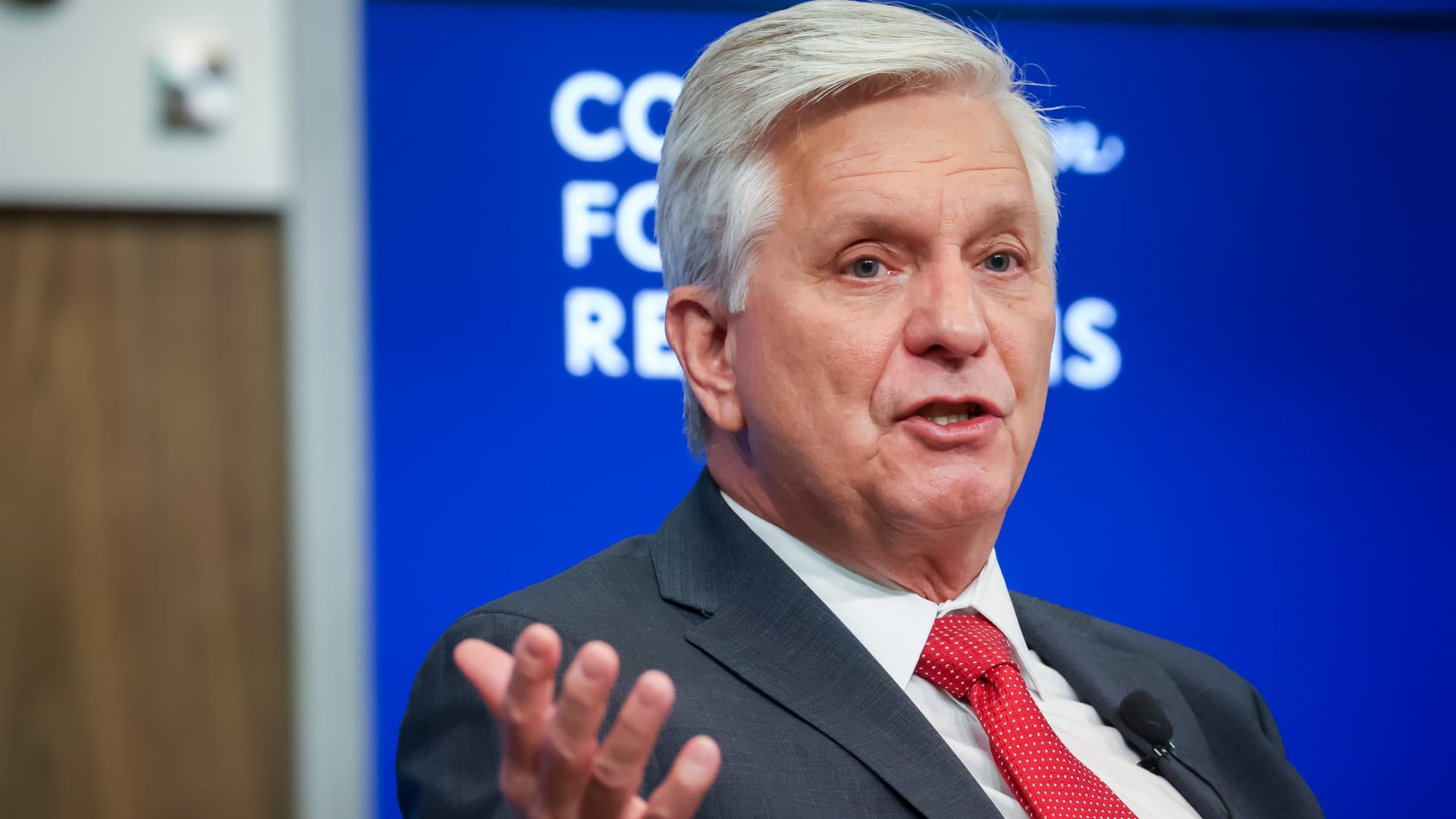
Federal Reserve Governor Christopher Waller said he would be inclined to support holding interest rates at the September 15-16 meeting if incoming inflation data continue to show cooling price pressures. The Waller September rates steady signal shifted market expectations: Reuters reported that stocks rose, Treasury yields fell and short-term interest-rate futures moved toward a greater likelihood of no change.
In remarks published by the Federal Reserve on September 3, Waller said inflation remained “meaningfully above” the Federal Open Market Committee’s 2% objective. Yet he judged that recent figures showed signs of disinflation and said the data due over the following two weeks would determine whether that trend was sufficient to justify keeping the federal-funds-rate target unchanged.
The target range stood at 3.50% to 3.75%, where it had been since December, Reuters reported. Waller’s comments describe his own conditional policy preference, rather than a decision by the full rate-setting committee.
What would make Waller support a September rate hold?
Waller tied his position to the August inflation data. If those figures show continued progress toward the Fed’s 2% goal, he said he would support leaving the policy rate in place. If the improvement proves short-lived, he said a rate increase could be appropriate at the September meeting.
The August consumer price index report, scheduled for the following week, was the final major price release before the meeting, according to Reuters. Waller said the CPI reading would offer a reasonably accurate indication of where the personal consumption expenditures price index, the Fed’s preferred inflation measure, was likely to land.
The distinction matters because annual inflation readings remained well above target. Waller said total PCE prices were 3.7% higher than a year earlier in July, while core PCE inflation, which excludes food and energy, was 3.3%. He argued that 12-month changes did not provide the best measure of current momentum, citing lower recent monthly readings and the role of estimated, rather than directly observed, nonmarket-services prices in core inflation.
Waller also said he did not view higher energy prices and tariffs as significant continuing sources of inflation pressure, while acknowledging uncertainty over military conflicts, trade policy and artificial intelligence. He described the current policy stance as only slightly restrictive for overall demand, meaning a renewed acceleration in inflation could prompt him to favor tighter policy.
His stance came after a more hawkish period in Fed communications. Reuters reported that three policymakers had dissented from the July 28-29 decision to leave rates unchanged, preferring a quarter-percentage-point increase. The next inflation release, rather than Waller’s remarks alone, will therefore be central to the September decision.
This story draws on original reporting from CNBC.