US payrolls August 2026 rise 162,000 as unemployment holds at 4.1%
US employers added 162,000 jobs in August, far above surveyed forecasts, while unemployment stayed at 4.1% as the labour force also expanded.
By David L. Chen · Senior Columnist
· 2 min read
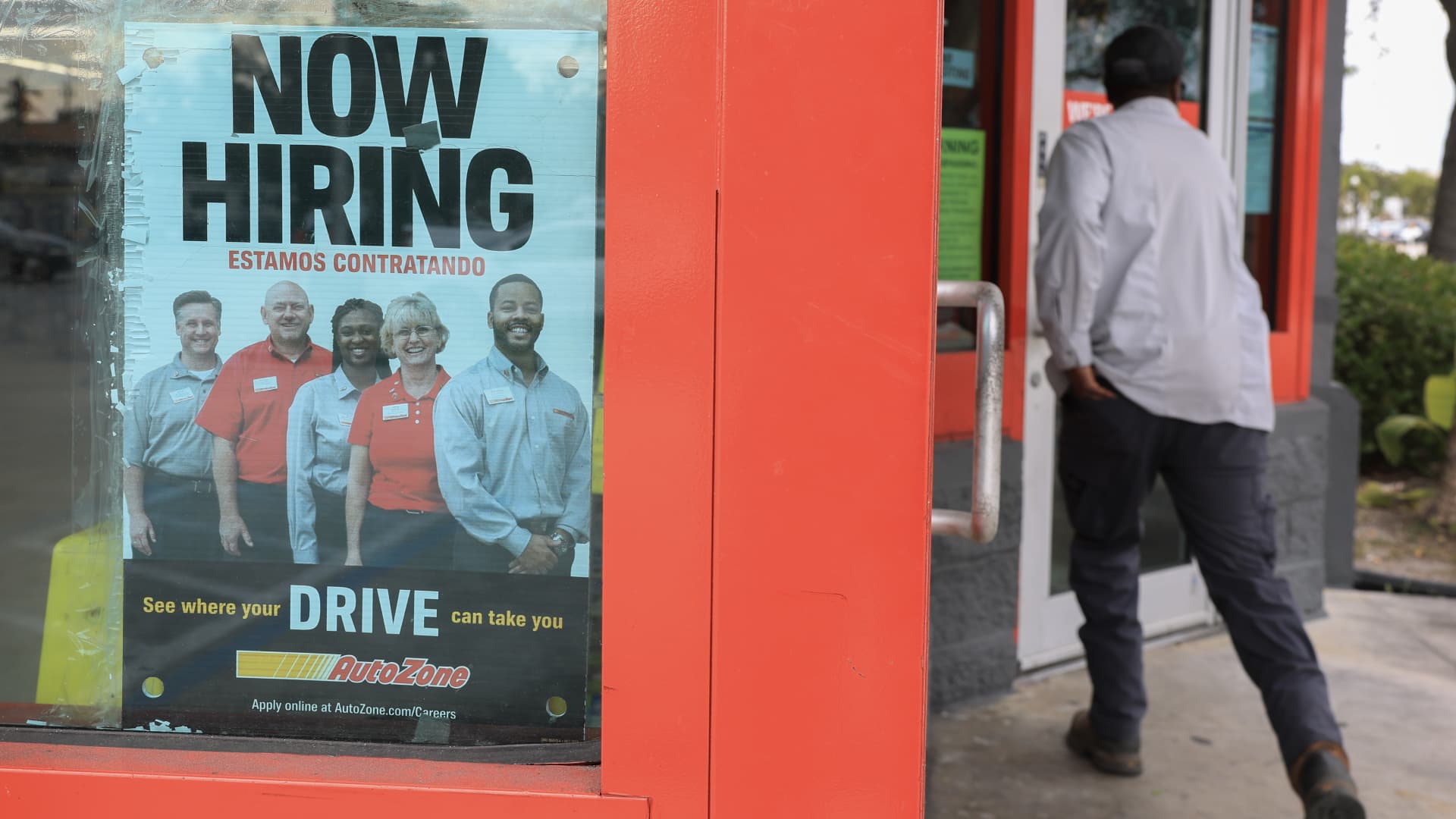
US payrolls August 2026 rose by 162,000, while the unemployment rate held at 4.1%, the Bureau of Labor Statistics said on September 4. The gain was substantially above forecasts reported by news organisations, and came alongside a 55,000 upward revision to the combined June and July payroll figures.
The BLS said June payroll growth was revised to 31,000 from 20,000, while July was revised to a gain of 21,000 from a previously reported fall of 23,000. Taken together with August, the revised figures imply an average gain of about 71,000 jobs a month over the three months through August.
Forecast comparisons depend on the survey used. CNBC and NBC News cited a Dow Jones estimate of 53,000 jobs, while Reuters reported that its economists had expected a 56,000 increase. Both were well below the official outcome.
Why did US payrolls rise while unemployment stayed at 4.1%?
The two indicators come from separate monthly BLS surveys. Payroll employment, along with industry jobs, earnings and hours, is measured in an establishment survey of employers. The unemployment rate comes from a household survey that assesses whether people are working or seeking work.
In August, the household survey recorded a 683,000 increase in the labour force and a 569,000 rise in employment. The number of unemployed people was little changed at 7.0 million, leaving the unemployment rate unchanged. Readers can find more on how the unemployment rate is calculated.
Labour-force participation edged up to 61.6%, though it remained 0.5 percentage points below its January level, according to the BLS. The number of people working part time for economic reasons fell by 414,000 to 4.4 million.
Which sectors accounted for the August jobs gain?
Food services and drinking places added 59,000 jobs, the largest reported industry gain. Local government education added 42,000, largely reversing a decline in the preceding month. Manufacturing employment rose by 16,000 and health care added 13,000, although the health-care increase was below its 12-month monthly average of 32,000.
The information industry lost 23,000 jobs. The BLS said several other major sectors, including financial activities and professional and business services, changed little. Reuters reported that some economists thought seasonal-adjustment difficulties may have amplified the August payroll reading, particularly in education; that assessment was not a BLS conclusion.
Average hourly earnings for private nonfarm employees increased by 10 cents, or 0.3%, to $37.75. Earnings were up 3.1% from a year earlier, and the average private-sector workweek edged up by 0.1 hour to 34.4 hours.
Financial markets increased their estimates of the chance of a Federal Reserve rate increase at the September 15-16 meeting after the report, Reuters said. CNBC and Reuters both pointed to forthcoming inflation data as consequential for that decision, while the employment report alone does not determine policy.
This story draws on original reporting from CNBC.