Japan foreign reserves in August fall by record $79.6bn after yen support
Japan’s reserves fell 6.18% to $1.208tn in August after record yen-buying operations, with foreign securities leading the decline.
By David L. Chen · Senior Columnist
· 2 min read
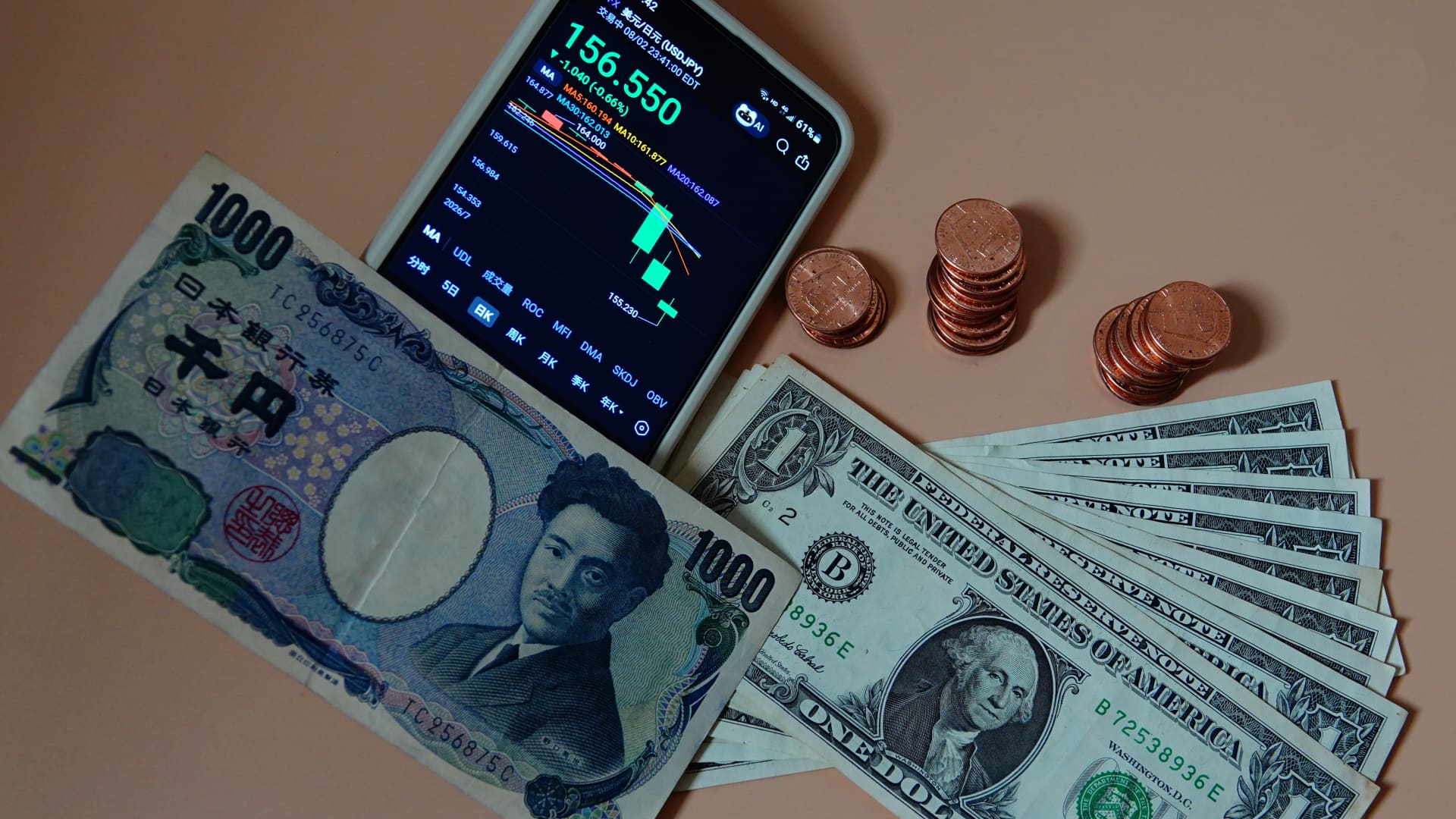
Japan foreign reserves in August fell by a record $79.6 billion, or 6.18%, to $1.208 trillion, as Tokyo conducted its largest monthly operation to support the yen. Ministry of Finance data showed reserves had stood at $1.287 trillion at the end of July, Reuters reported.
The reported fall was the largest on record and followed 15.4 trillion yen, equivalent to $98.66 billion, of dollar-selling and yen-buying intervention between July 30 and August 26, according to separate ministry figures cited by Reuters. That operation was the largest recorded for a single month.
The figures are related but measure different things. The intervention total records the reported yen amount used in the currency operation, while the monthly reserve figure is the reported change in the reserve stock. Reuters did not provide a dollar-for-dollar reconciliation between the intervention amount and August’s $79.6 billion decline.
Why did Japan’s foreign reserves fall in August?
Reuters reported that the decline was led by foreign securities. Those holdings are largely US Treasuries acquired during dollar-buying intervention about two decades ago and represent roughly 70% of Japan’s reserves, according to the news agency.
The Finance Ministry did not set out a full public explanation for the August change, CNBC reported. Kyodo News, cited by CNBC, quoted an unnamed ministry official who linked the fall to yen-support operations and lower government-bond values after yields rose. Masahiko Loo, a senior fixed-income strategist at State Street Investment Management, told CNBC that the decline primarily reflected the recent dollar-selling, yen-buying interventions. He described it as policy action rather than financial stress.
How did the yen respond to the intervention?
The operation helped lift the Japanese currency from near 164 per dollar, a 40-year low, to as high as 155.20 by August 3, Reuters reported. The yen subsequently weakened toward 160 before trading around 155 to 156 in early September.
Part of the operation was carried out with the United States, Reuters said. Tokyo and Washington have also said Japan could use a Federal Reserve facility created in 2020 to obtain dollar liquidity without selling US Treasuries outright, according to Reuters.
That facility was introduced during the pandemic to support market functioning for major central banks. In the context described by Reuters, it could give Japan an additional way to raise dollars while conducting large currency-support operations.
Japan’s August data therefore show the scale of the reserve decline alongside a record intervention programme, while the reported composition points to foreign securities as the leading component of the monthly fall.
This story draws on original reporting from CNBC.