Trump presses Fed against possible September rate hike
The White House has urged the Fed to avoid raising rates as markets price a possible September move and Kevin Warsh stresses inflation risks.
By David L. Chen · Senior Columnist
· 3 min read
President Donald Trump and senior officials have intensified public opposition to a possible Federal Reserve rate increase before the Sept. 15-16 policy meeting. In the Trump Fed rate hike debate, markets put the probability of a quarter-point increase at about 60% after employers added 162,000 jobs in August, CNBC reported.
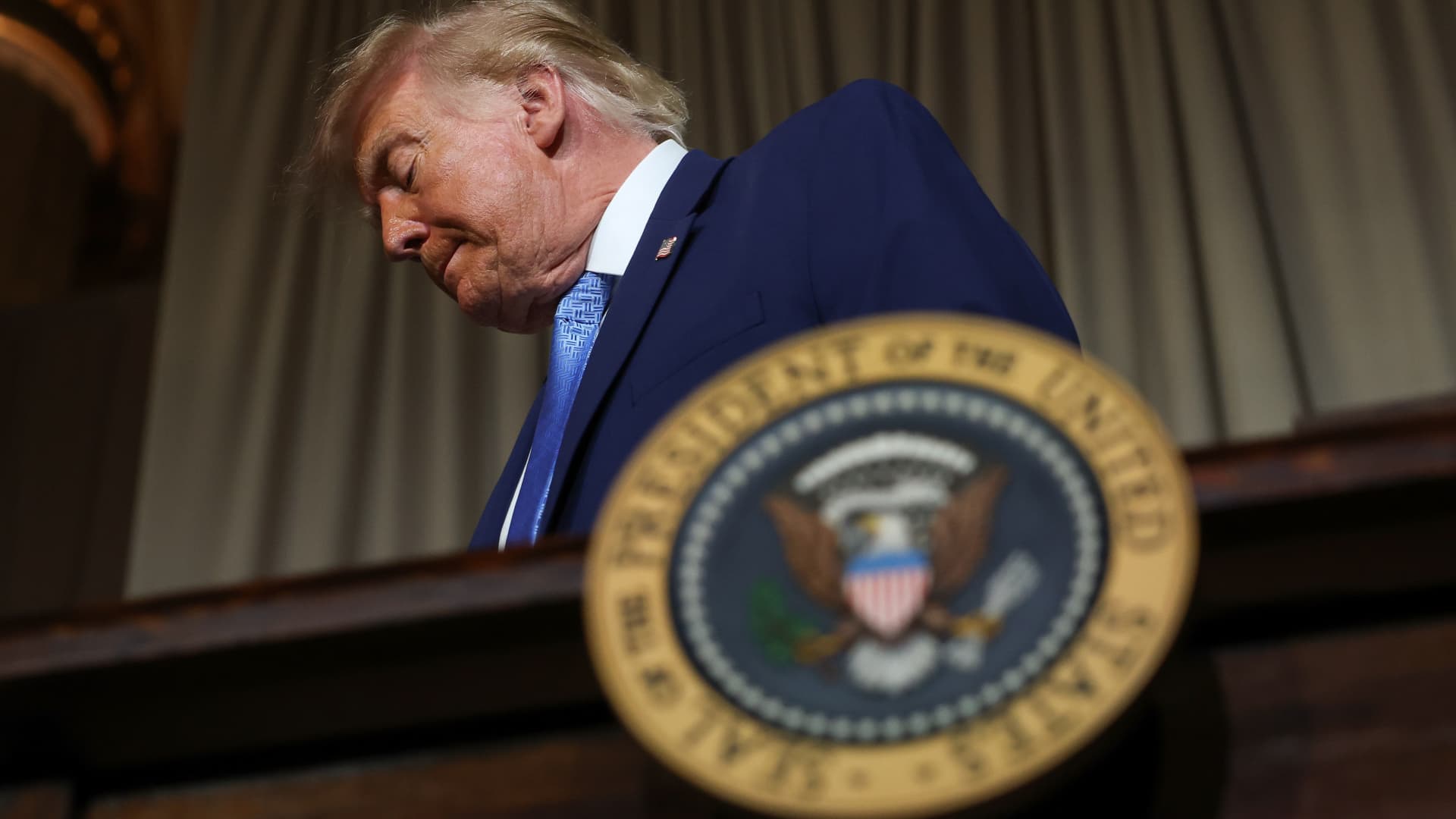
The administration’s campaign targets the Federal Open Market Committee, which sets US interest-rate policy, rather than a commitment by Fed chair Kevin Warsh to raise rates. Trump has avoided direct criticism of Warsh, according to CNBC, while urging lower rates and escalating his rhetoric on trade.
On Sept. 5, Trump said he could halt trade with countries that run trade surpluses with the US unless the Fed cuts interest rates, CNBC reported. The report did not say tariffs had been imposed. Vice-president JD Vance said the administration believed the Fed should be lowering rates, while senior economic counsellor Peter Navarro called a rate increase “careless” in an interview cited by CNBC.
Why is the White House opposing a possible Fed rate hike?
Administration officials have pointed to a three-month annualised core consumer-price index reading of 1.6% and argued that tax cuts and investment can expand the economy’s productive capacity without causing inflation, CNBC reported. For context on why measures can differ according to their baskets, weights and comparison periods, see Treasury’s guide to inflation measurement.
Treasury secretary Scott Bessent said in a CNBC interview that the Fed typically does not raise rates during a supply shock until second- or third-order inflation effects emerge. That was Bessent’s stated view of the Fed’s usual response, rather than a description of a settled policy rule.
The figures cited by the administration contrast with a three-month annualised core personal-consumption-expenditures reading of just over 3%, CNBC reported. The PCE measure is the Federal Reserve’s preferred inflation gauge.
What has Kevin Warsh said about inflation?
Warsh has not given detailed near-term guidance on the policy decision. In an Aug. 28 Jackson Hole address, however, he said inflation was above the Fed’s 2% target and that the central bank’s predominant focus should be prices, NPR reported. CNBC reported that Warsh said 54% of 199 components in the PCE measure had risen by more than 3% in the preceding 12 months.
The July FOMC meeting left rates unchanged, but Beth Hammack, Neel Kashkari and Lorie Logan dissented in favour of a quarter-point increase, CNBC reported. The meeting arrives roughly two months before November’s midterm elections, amid voter dissatisfaction with high prices and interest rates, according to CNBC.
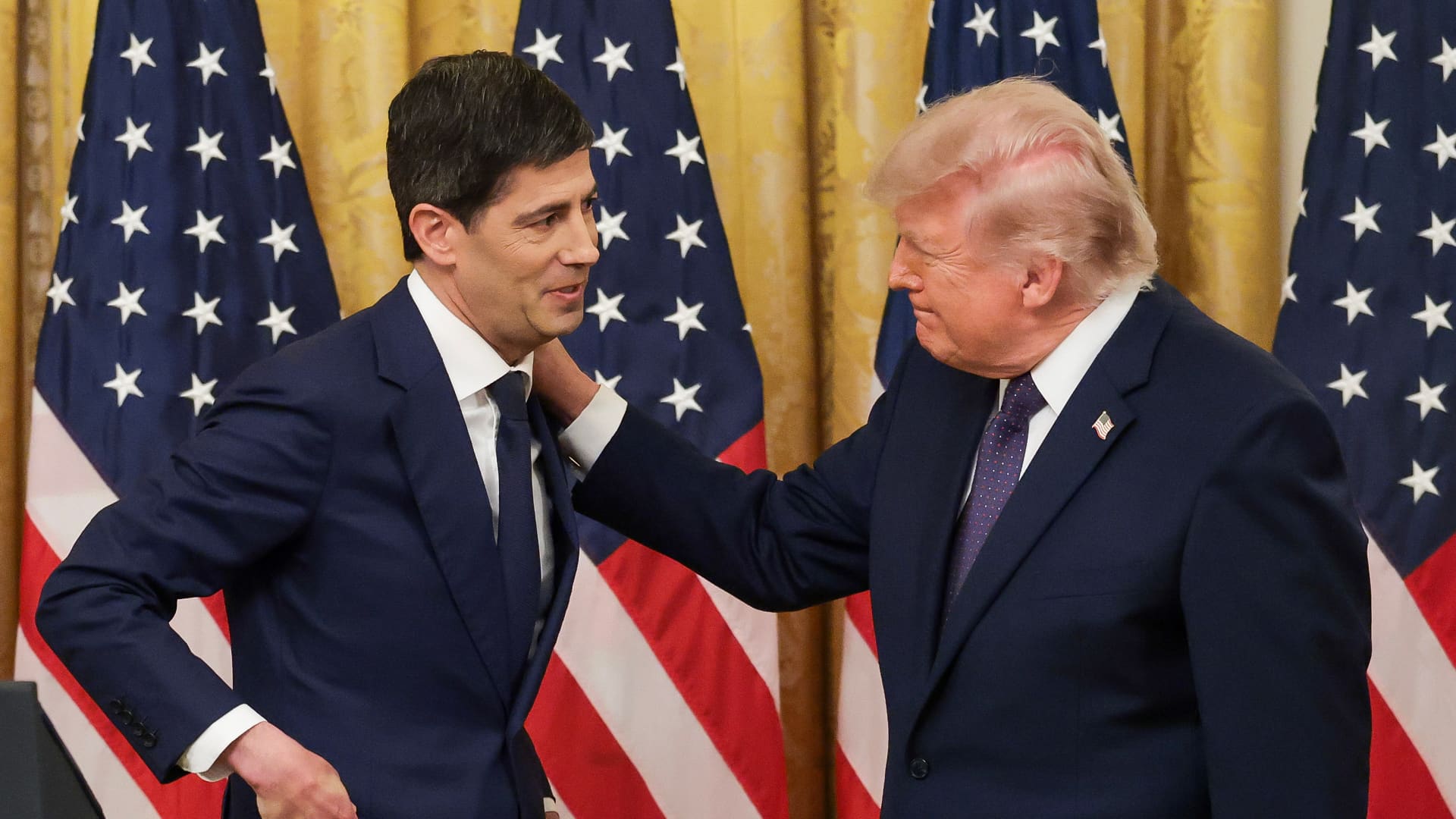
Warsh has said political comments do not affect his decisions, while maintaining that elected officials are entitled to comment on monetary policy, CNBC reported. Accounts of Trump’s contacts with the chair remain contested: The Wall Street Journal reported repeated calls, a report backed by several aides, while Trump said he had spoken with Warsh only once in office. In his Jackson Hole speech, Warsh also said recommendations from Fed task forces would not affect decisions in the current policy period.
This story draws on original reporting from CNBC.