Canada retaliatory tariffs 2026 take effect on CA$27.6bn of U.S. imports
Canada has imposed 15% to 50% duties on selected U.S.-origin imports, matching U.S. tariff rates after trade talks broke down.
By Sarah Jenkins · Chief Macro Economics Correspondent
· 3 min read
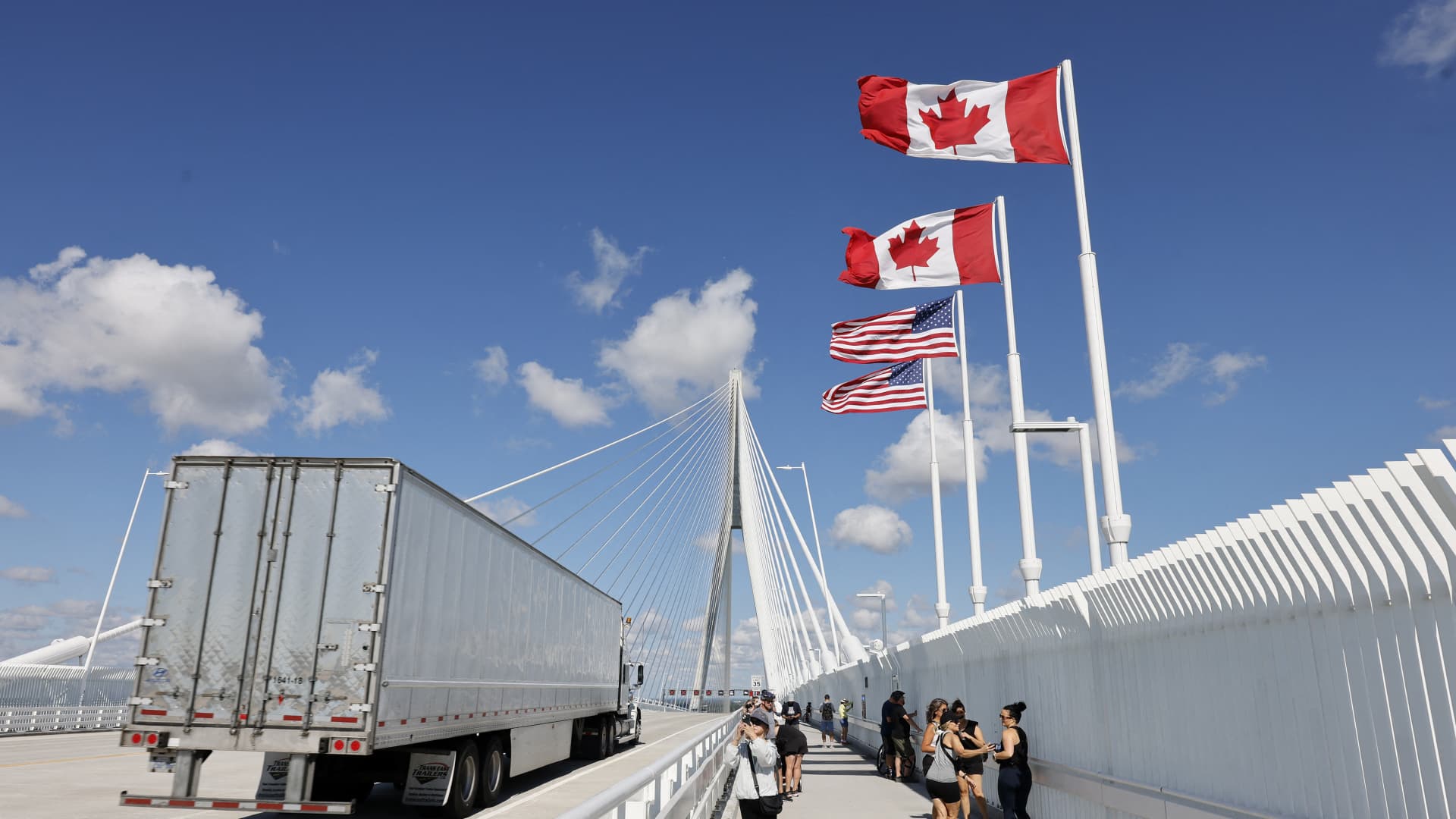
Canada retaliatory tariffs 2026 took effect at 12:01 a.m. on September 8, imposing duties of 15%, 25% and 50% on U.S.-origin goods representing CA$27.6 billion in imports. The measures target selected products rather than all trade with the United States, and Canada says each tariff item is assigned a rate that matches the corresponding U.S. duty.
The Department of Finance Canada said the action answered U.S. 50% tariffs on CA$27.6 billion of Canadian goods that came into force on August 22. Ottawa has described its response as dollar-for-dollar and rate-for-rate.
Which U.S. products face Canada’s retaliatory tariffs?
The new duties cover products in steel and aluminum, dairy, household appliances, agricultural equipment, pulp and paper, plastics and electronics, according to the Finance Department. The official product-level tariff list sets out the applicable items, effective dates and rates.
- 50% duties include specified steel and aluminum products that had previously faced 25% Canadian counter-tariffs, as well as furniture and clothing and apparel.
- 25% duties include appliances, cheese and certain derivative steel and aluminum products.
- The remaining listed goods are subject to the applicable 15%, 25% or 50% rate.
The rules apply only to goods originating in the United States, as defined under Canadian country-of-origin marking regulations. U.S. goods already in transit to Canada on September 8 are excluded. Existing Canadian counter-tariffs, including those on U.S. automobiles, remain in effect.
Why did Canada introduce the new duties?
Canada announced the package on August 25 after the United States imposed its August 22 tariffs. Canadian officials said negotiations toward a broader trade arrangement had been suspended after Washington sought terms Ottawa regarded as unacceptable. Those characterizations reflect the Canadian government’s position.
The Department of Finance said its aim was to assist Canadian workers, producers and manufacturers facing U.S. tariffs and to improve their ability to compete with U.S. products in Canada. The tariff package is separate from a CA$7.5 billion support programme announced at the same time for affected workers and businesses. The government said that programme added to nearly CA$25 billion in support previously provided in response to U.S. tariffs.
The new support includes CA$1.5 billion through the Regional Tariff Response Initiative, a CA$500 million liquidity stream under Business Development Bank of Canada programmes, CA$2 billion for the Canada Strong Diversification Fund and CA$3.5 billion in rapid-response support for workers and employers.
CNBC, citing the U.S. Trade Representative’s office, reported that U.S. goods exports to Canada totalled US$333.6 billion in 2025, while U.S. goods imports from Canada were US$381.9 billion. CNBC also reported economists’ view that the goods affected by the latest measures account for a relatively small share of overall bilateral trade, while smaller businesses and the most affected sectors could face severe effects.
This story draws on original reporting from CNBC.