Trump tariffs 2026 put 10% to 12.5% duties on 60 partners
The Trump administration imposed new tariffs on 60 trading partners, adding a trade shock to oil, inflation and growth concerns.
By Marcus V. Thorne · Markets Editor
· 3 min read
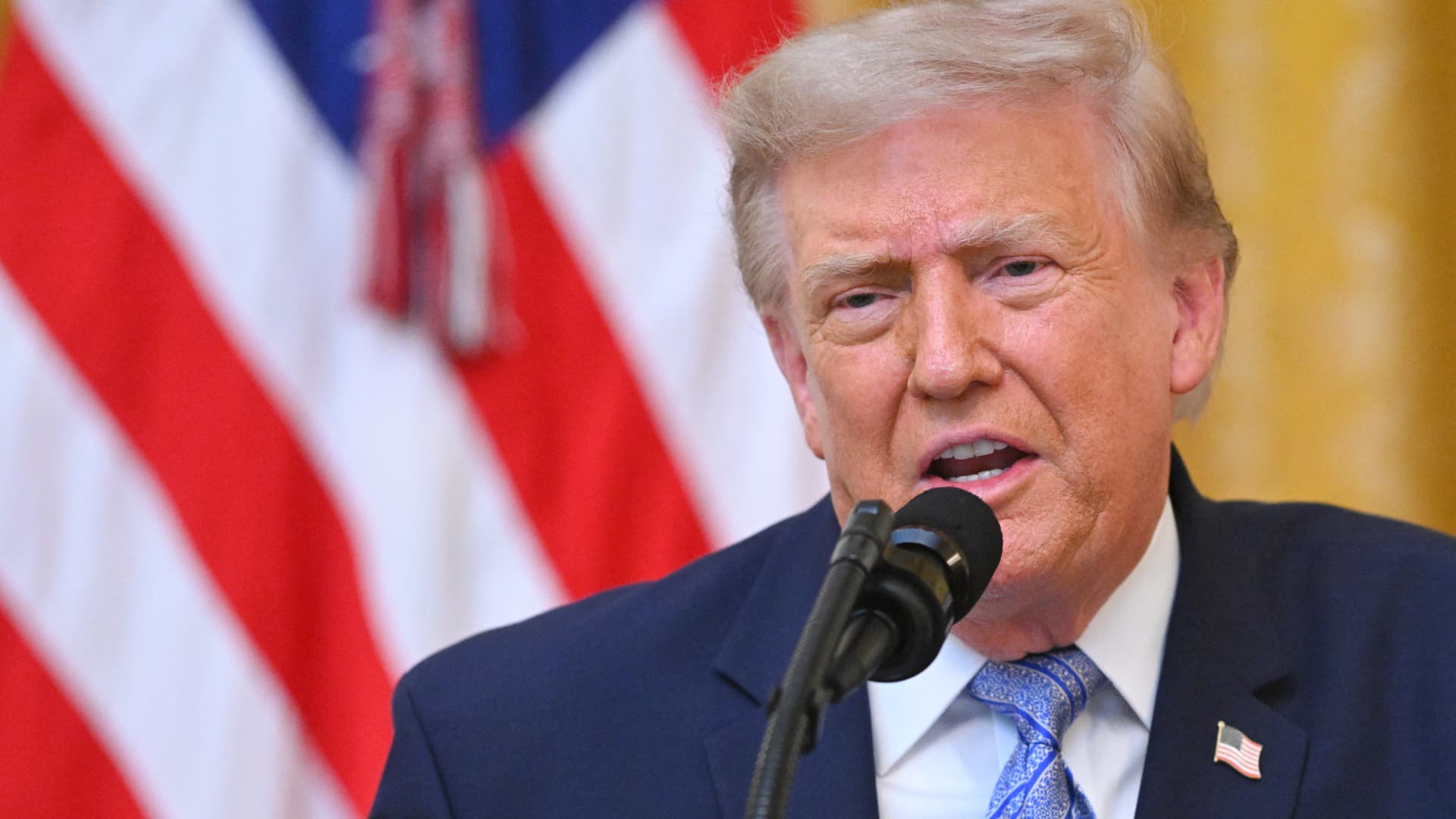
The Trump tariffs 2026 package took effect Friday, placing new duties of 10% to 12.5% on imports from 60 U.S. trading partners. The measures add a renewed trade-policy shock to a global economy already pressured by the U.S. conflict with Iran, higher energy prices and persistent inflation concerns.
The Trump administration said the tariffs apply to partners including the European Union, China, the U.K. and Canada. They began at 12:01 a.m. ET Friday and replaced a temporary 10% baseline tariff that expired on July 24.
Market reaction was limited in early trading Friday, according to CNBC, as investors had expected a new announcement before the earlier duties lapsed. That response differed from the sharp sell-off that followed the administration’s broad April 2025 tariff announcements, known as “Liberation Day.”
How do the Trump tariffs 2026 work?
The new duties are being pursued under Section 301 of the Trade Act of 1974, a U.S. trade tool that allows Washington to impose measures in response to practices it deems unfair. Administration officials cited alleged forced labor practices as the basis for the latest tariffs.
Countries that have adopted, or committed to adopting, prohibitions face a 10% tariff, while those that have not face a 12.5% charge. CNBC reported that the duties affect 99.4% of American imports.
The legal route matters because the Supreme Court ruled in February that the previous tariffs were illegal. Analysts said the administration had been expected to seek another legal basis for import duties after that decision.
Why are markets treating this round differently?
Investors and strategists cited a tougher economic setting than in 2025. The U.S. military conflict with Iran has entered its sixth month, and oil prices rose above $100 a barrel this week as expectations for a negotiated ceasefire faded, according to CNBC.
Emma Moriarty, portfolio manager at CG Asset Management, said the significance of the latest move is that the administration is pressing ahead with tariffs despite an energy shock and supply-chain strains. She said markets should prepare for a combination of weak growth and elevated inflation.
Russ Mould, investment director at AJ Bell, said the decision was not a full surprise for markets but added another source of uncertainty as sentiment was already being hit by the U.S.-Iran conflict and concerns about technology-sector spending.
Alan Siow, co-head of emerging-market corporate debt at Ninety One Asset Management, said the White House appeared to be adjusting to legal limits on its tariff authority. He also said limited retaliation and the absence of a clear inflation spike may have encouraged the administration, while other countries could respond cautiously at first.
Could the tariffs become a longer-term policy?
Martin Jacob, professor of accounting and control at IESE Business School in Barcelona, said the reintroduction of duties suggests the White House wants tariffs to remain a lasting part of U.S. economic policy. He said the expiry of temporary measures had increased pressure on the administration to create more permanent tariff arrangements.
Matthew Ryan, head of market strategy at Ebury, said the use of Section 301 could reduce the legal vulnerability that affected the previous round of import taxes. In his view, markets may need to treat tariffs as a structural drag on global growth rather than a short-term negotiating risk.
Ryan said investors are also watching next week’s Federal Open Market Committee announcement. He said the rise in oil prices has increased the possibility that the Federal Reserve could raise interest rates later this year, a shift from earlier expectations that rates would stay unchanged through year-end before cuts in 2027.
This story draws on original reporting from CNBC.