Uber-Waymo exclusivity in Austin and Atlanta to end in 2028
Waymo plans to launch its own app in Austin and Atlanta in 2028 while keeping robotaxis on Uber under the current contract.
By Sarah Jenkins · Chief Macro Economics Correspondent
· 3 min read
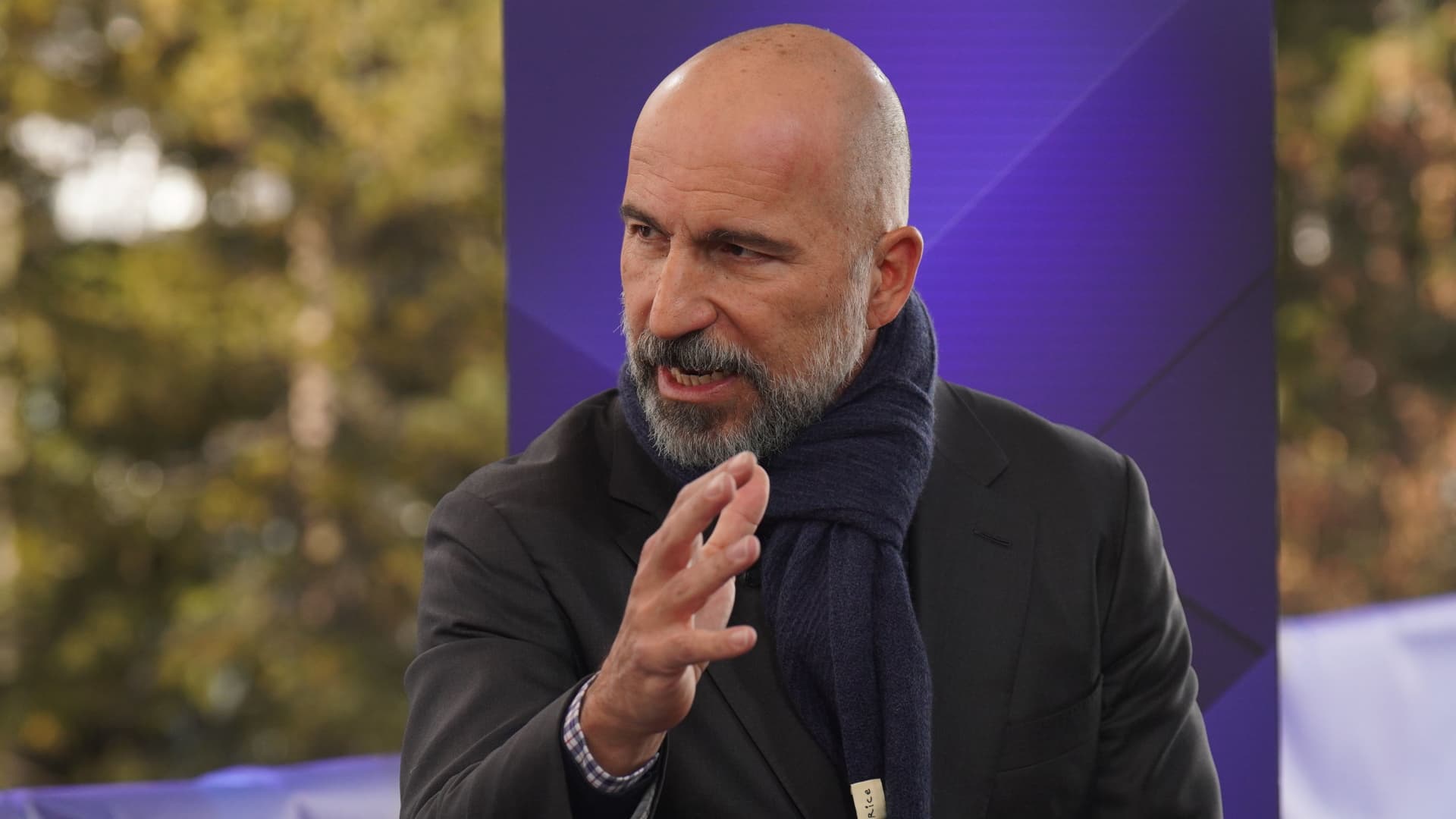
The Uber Waymo exclusivity deal in Austin and Atlanta will begin to unwind in January 2028, when Waymo plans to offer rides through its own app in both cities while continuing to operate on Uber, an Uber spokesperson told CNBC. Uber shares fell more than 4% after the news, according to CNBC, underscoring investor attention to who controls customer access in the robotaxi market.
Waymo, owned by Alphabet, has so far made its driverless cars in Atlanta and Austin available only through the Uber app. The planned change would put Waymo’s own consumer app alongside that existing distribution channel in the two markets.
Uber said hundreds of Waymo vehicles will remain available through its app in Atlanta and Austin until at least May 2028, when the companies’ current contract runs through. The ride-hailing company also said the shift will let it add other autonomous-vehicle providers to its platform in both cities.
What is changing for Uber and Waymo riders?
Riders in Austin and Atlanta are expected to gain another way to book Waymo robotaxis: Waymo’s app, in addition to Uber. An exclusivity arrangement means one partner controls a defined channel or market for a service; ending it allows multiple apps or providers to compete for the same type of ride.
A Waymo spokesperson said by email that users need “choice in how they experience this technology.” The spokesperson added that broader access is tied to Waymo’s plan to make its app and safety technology available to riders in more places.
The change reflects Waymo’s broader expansion beyond the two Uber-exclusive markets. Waymo’s website says its robotaxis are operating in nine other markets, and the company is testing in additional cities. In 2025, Waymo also reached a non-exclusive agreement with Lyft to offer robotaxi rides in Nashville, Tennessee, according to CNBC.
The Financial Times reported Friday that Waymo had held internal talks about whether to split from Uber, citing tensions between the companies. The FT said those strains included conflicting policy proposals the companies are pursuing in different U.S. markets.
Uber has also been building relationships with autonomous-vehicle developers outside Waymo. The company has committed to buying vehicles from partners including Waabi, Wayve, Nuro and Rivian once their self-driving systems are validated as safe to operate without a human supervisor or driver on board, according to CNBC.
Other companies are also using direct-to-consumer apps for robotaxi services. Tesla, Amazon’s Zoox and additional autonomous-vehicle developers offer standalone apps that let riders hail driverless rides, according to CNBC. That model gives the vehicle operator a direct customer relationship, while marketplace platforms such as Uber aggregate multiple transport options inside one app.
This story draws on original reporting from CNBC.