UBS AI correction view comes as profit rises and buyback is unveiled
UBS reported $2.8 billion in second-quarter net profit as Sergio Ermotti called the AI pullback healthy and warned on geopolitics.
By Marcus V. Thorne · Markets Editor
· 3 min read
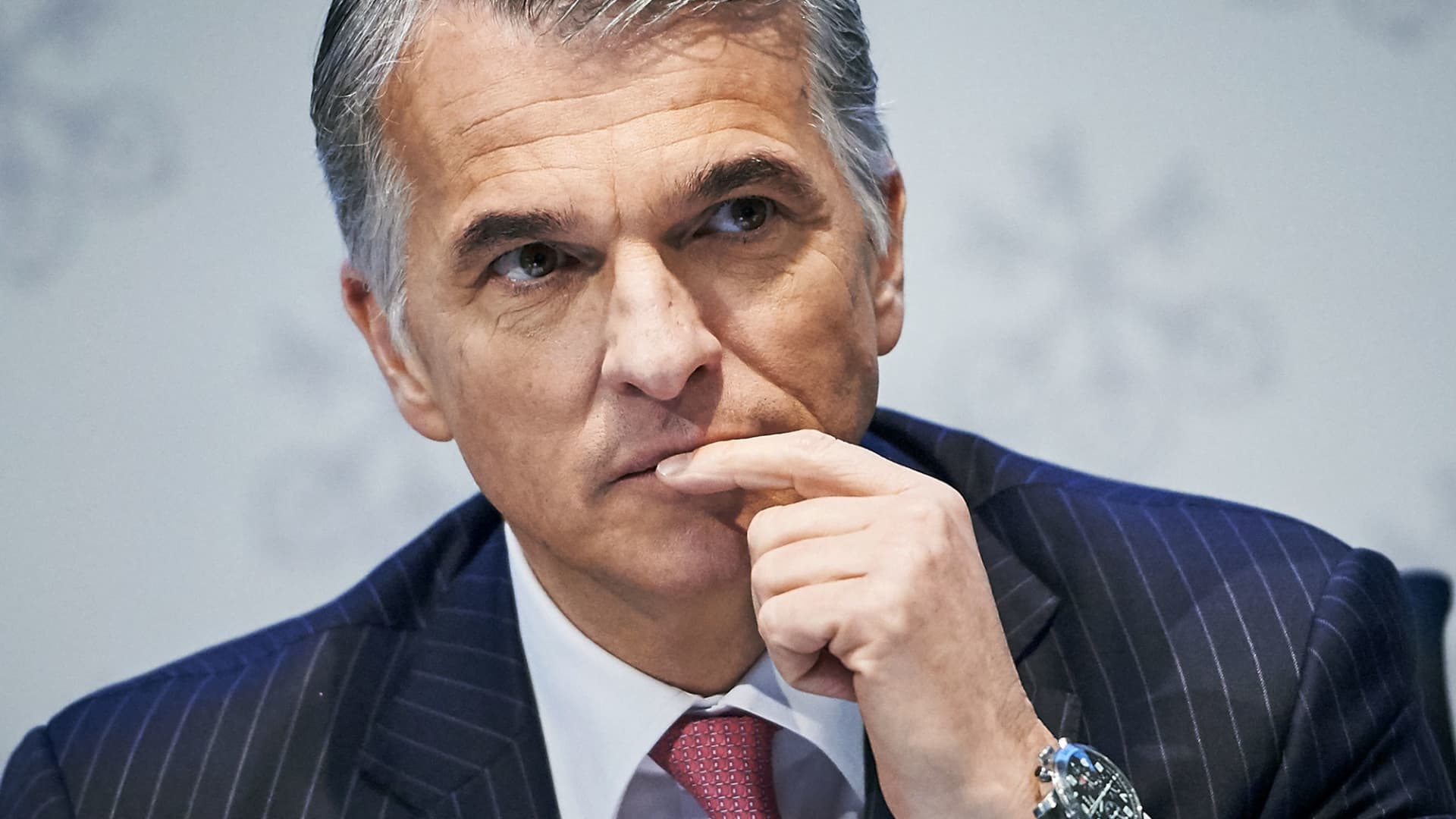
UBS AI correction comments from Chief Executive Sergio Ermotti came as the Swiss bank reported second-quarter net profit attributable to shareholders of $2.8 billion, matching analyst expectations cited by CNBC. Pre-tax profit rose 64% from a year earlier to $3.6 billion, while UBS shares traded 2.5% higher in the morning after the results.
Ermotti told CNBC’s “Squawk Box Europe” that UBS had benefited from strong business momentum in the quarter. He pointed to activity across investment banking, mergers and acquisitions, capital markets, leveraged capital markets, debt capital markets and equities.
The bank also announced a new $3 billion share repurchase programme. According to CNBC, UBS plans to begin with $1 billion of buybacks over the next three months.
What did UBS say about the AI correction?
Ermotti said a pullback in artificial intelligence-linked stocks should not surprise investors after a period in which market values rose quickly and became more concentrated over the previous three to four months. He described the move as “healthy” in his CNBC interview and said UBS advises clients to diversify in that setting.
A stock-market correction generally refers to a decline after a strong advance, often seen by market participants as a reset in valuations rather than a sign that an investment theme has ended. Ermotti said AI and the infrastructure needed to support it would remain an important market force, with economic effects likely to spread beyond the companies currently drawing the most investor attention.
He told CNBC that the broader adoption of AI creates an opportunity for UBS to help clients spread investments across areas that may benefit over time. That framing placed the AI sell-off less as a single-sector warning and more as a reason to look at how exposure is distributed.
Geopolitics remains the larger market risk
While Ermotti was relatively sanguine about the AI pullback, he said geopolitical volatility could still create pressure for markets and for client activity. He told CNBC that ongoing tensions on the geopolitical front may produce “temporary headwinds,” while adding that UBS’s business momentum remained positive.
The distinction matters for banks such as UBS because market volatility can have mixed effects. Trading desks may see more client activity when prices move sharply, while uncertainty can also delay capital raising, acquisitions or new listings if companies and investors become cautious.
Ermotti nevertheless described the investment banking pipeline as “very good,” according to CNBC. He also referred to a “vibrant” market for initial public offerings and said UBS was involved in several deals, including SpaceX’s landmark debut.
How does the UBS buyback work?
A share buyback allows a company to use cash to purchase its own stock in the market, reducing the number of shares outstanding if the shares are cancelled or held in treasury. For investors, buybacks can affect per-share earnings metrics, though the impact depends on the price paid, the company’s capital position and future profits.
UBS’s planned $3 billion programme follows a quarter in which profit met market forecasts and pre-tax earnings rose sharply from the previous year. The bank’s update leaves investors weighing stronger operating momentum against the risks Ermotti identified from geopolitics and the rotation in AI-related market leadership.
This story draws on original reporting from CNBC.


