Short bets on UK stocks rise as Burnham policy shift draws hedge funds
Disclosed short positions in UK equities rose fivefold in early 2026 as investors assessed Andy Burnham’s cost-of-living agenda.
By Marcus V. Thorne · Markets Editor
· 4 min read
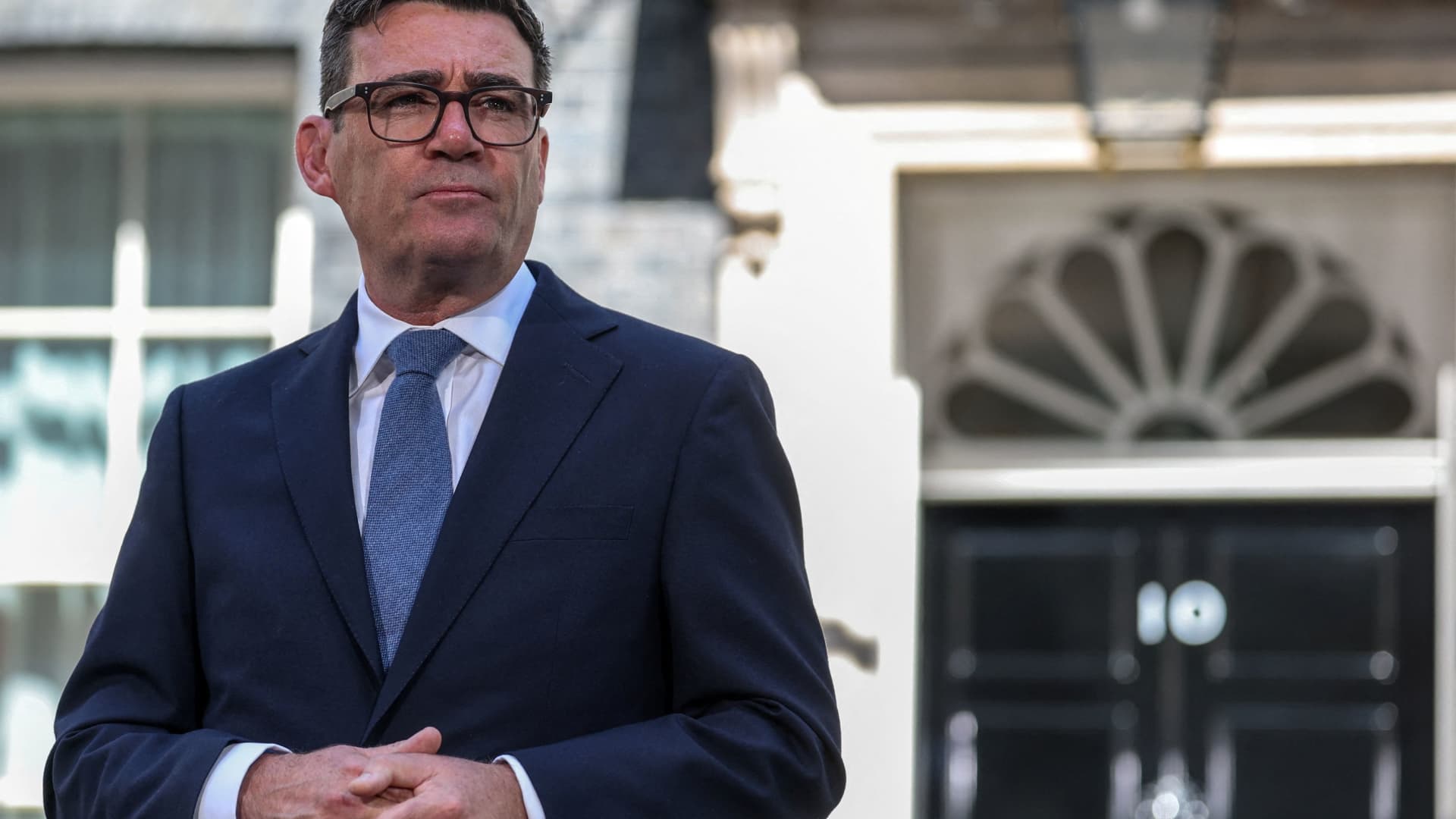
Hedge funds increased publicly disclosed wagers against UK-listed shares fivefold in the first half of 2026, according to White & Case, as investors prepared for sharper policy shifts under Prime Minister Andy Burnham. The change has put utilities, energy, transport and housebuilding under closer scrutiny, with managers seeking both short positions and long-short trades tied to the new government’s priorities.
Burnham took office this week as the UK’s seventh prime minister in 10 years. In his first speech on Monday, he said he would lead a “cost-of-living government” and promised a “new economic model” built around a 10-year plan to reindustrialise Britain. Housing costs and utility bills have emerged as early focal points of the agenda.
Short-selling allows investors to profit if a security falls in price, usually by borrowing shares, selling them, and later buying them back to return to the lender. For hedge funds, it can be used as a direct bet against a company or as one side of a relative value trade, where a manager buys shares expected to benefit from a policy change and shorts shares considered more exposed.
Policy uncertainty lifts short-selling activity
White & Case found that 27 UK companies had aggregate disclosed short positions equal to at least 5% of their shares in the first half of 2026, up from five companies in the same period last year.
Patrick Sarch, head of UK public mergers and acquisitions at White & Case, said the leadership change had increased uncertainty and volatility around policy in several domestic sectors, including energy, utilities, transport and housebuilding.
“As a new policy platform coalesces following new governmental appointments, policies will be proposed, markets will react, and there will be a moderation and prioritization process to determine what is feasible and in what timeframe,” Sarch said. He added that White & Case expected “a relatively protracted period of increased uncertainty for price discovery,” creating more openings for short-sellers.
Burnham on Tuesday announced plans to remove sales tax from household electricity, saying the move would give consumers “breathing space” against cost-of-living pressures. Investors said the proposal sharpened attention on the affordability of energy and utilities.
Alyx Wood, chief investment officer of Kernow Asset Management, said Kernow was negative on UK utilities because of high leverage at some companies, regulatory and licensing pressure, operational issues and the scale of investment required in water and power networks. Wood told CNBC that utilities, often viewed as defensive holdings in difficult markets, were “probably where we are most negative.”
Housebuilders draw long and short interest
Housing policy is also becoming a key area for stock selection. Burnham has said he wants to expand public housing and pledged on Monday to end rough sleeping in the UK. Investors said an overhaul aimed at affordability could split the sector between companies better placed to win work and those more exposed to financial or operational strain.
White & Case research showed that Vistry Group and construction materials company Ibstock were among the most heavily shorted UK companies in the first half, with aggregate short positions of almost 16% and 13%, respectively.
Wood said Kernow was short Vistry, citing debt accumulation, and long Berkeley Group, which he said had a stronger balance sheet and better handling of planning applications. He also said Galliford Try could benefit if affordable housing construction increases.
Burnham’s move into Downing Street followed concerns among investors about a leftward shift in Labour policy and a looser approach to public spending. His selection of John Healey as finance minister has eased some market concern, according to CNBC, with the former defence secretary viewed by some investors as a steady appointment.
Edgar Allen, founder and chief investment officer of High Ground Investment Management, said housebuilders and banks could face additional taxes, though he said lower valuations in those sectors already reflected that risk. Allen said Burnham inherited record government spending, high debt, an “unsustainable” deficit and gilt yields “far above anything Liz Truss managed.” He also pointed to growth, productivity gains and possible foreign takeover interest as signs of value in UK equities.
This story draws on original reporting from CNBC.