Ukraine Wildberries drone attacks pressure Russia’s war economy
Kyiv is striking Wildberries logistics sites as analysts say Russia faces weaker growth, sanctions risk and rising business costs.
By Marcus V. Thorne · Markets Editor
· 3 min read
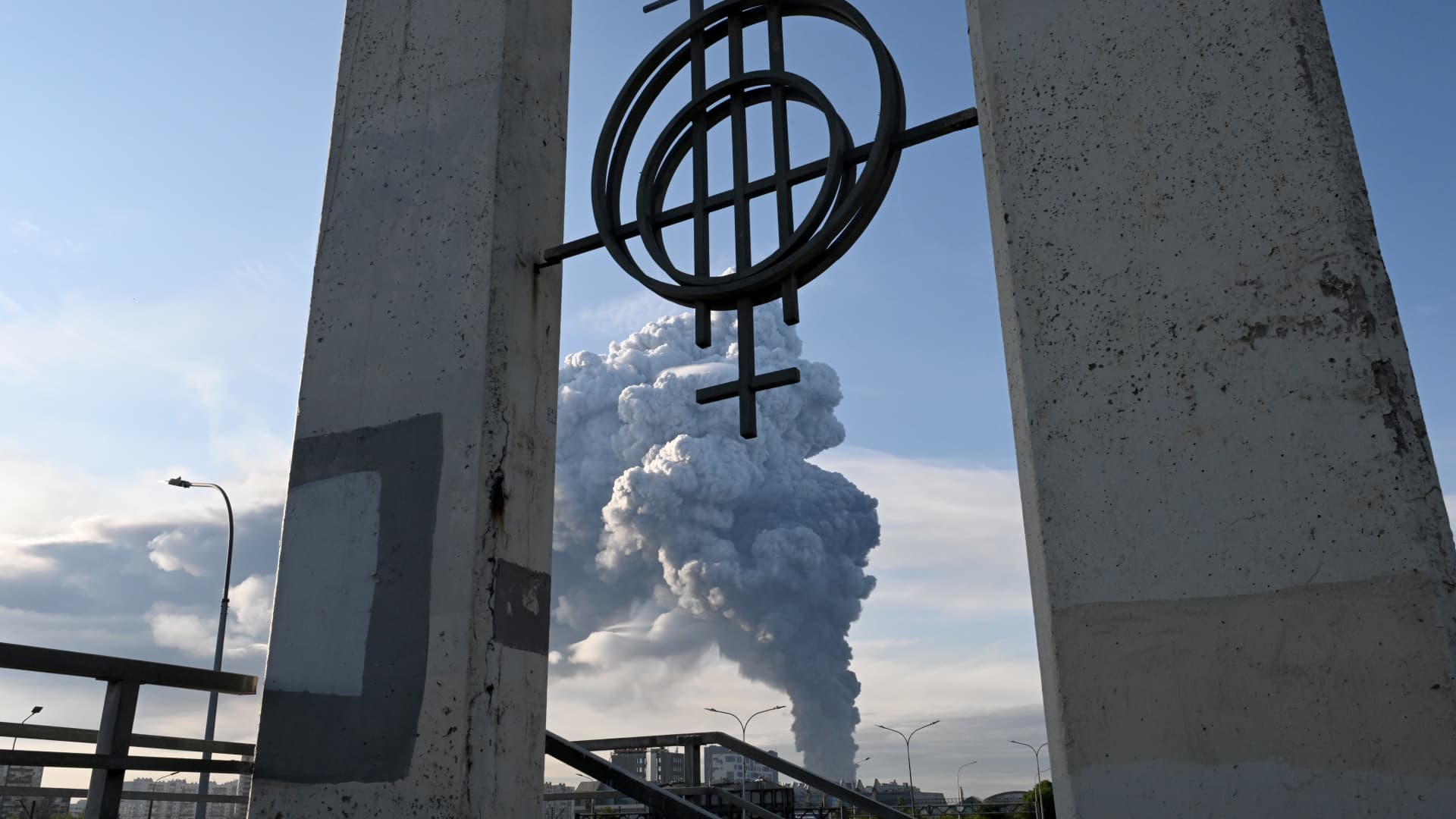
Ukraine Wildberries drone attacks have opened a new front of economic pressure on Russia, targeting logistics facilities tied to the country’s largest online retailer after nearly four and a half years of war. Reuters reported that Moscow is examining support for Wildberries, citing two unnamed sources who said state-controlled VTB is expected to have a central role.
Wildberries said it evacuated a warehouse in Ryazan on Wednesday after Ukrainian drones hit several industrial facilities. The attacks follow earlier Ukrainian long-range strikes on Russian energy infrastructure and suggest Kyiv is broadening its focus from fuel and refining assets to supply chains used by large Russian companies.
Why is Ukraine targeting Wildberries?
Ukrainian President Volodymyr Zelenskyy has said warehouses struck by Ukrainian drones were involved in supplying Russian forces with drone components, navigation equipment and other military parts. Natalya Kovaleva, a researcher in Chatham House’s Russia and Eurasia program, said Kyiv is trying to lift the cost of the war for Russian businesses and ordinary Russians, with the aim of increasing internal pressure on President Vladimir Putin.
Kovaleva wrote Tuesday that Russian companies have already absorbed damage from Western sanctions, tax rises, internet outages and fuel shortages. She said the Wildberries strikes represent a new stage in Ukraine’s attempt to increase economic pressure, though she cautioned that Russia’s elites appear highly dependent on the Kremlin and wary of it.
Wildberries is Russia’s dominant online retailer, occupying a role in the domestic market similar to Amazon in the United States. Founded in 2004, the company employs about 48,000 people, making disruptions to its logistics network relevant beyond a single corporate balance sheet.
CNBC reported that Russia’s Foreign Ministry was not immediately available for comment. Reuters said the Russian government may need to support Wildberries after the drone attacks, based on its two unnamed sources.
How could the attacks affect Russia’s wartime economy?
Logistics hubs connect factories, sellers, warehouses and consumers. Strikes on those facilities can delay deliveries, raise insurance and repair costs, and force banks or the state to step in if a company is considered important to the domestic economy.
The attacks come as some analysts say Russia is exposed to additional pressure from sanctions. Elina Ribakova, a senior fellow at the Peterson Institute for International Economics, told CNBC’s “Europe Early Edition” that Russia’s economy has stalled and may record zero percent growth this year at best. She said first-quarter contraction and weaker industrial output indicate a meaningful slowdown in the defense sector.
Ribakova also said proposed U.S. sanctions on Russian energy could have a strong effect on Putin’s war economy. Her comments came as Washington renewed its sanctions debate and as Zelenskyy met U.S. President Donald Trump in the Oval Office, where Zelenskyy said they discussed Patriot interceptor production licenses and efforts to revive diplomacy.
Ukraine has also struck beyond Russia’s western regions. Kyiv launched an attack Saturday on an Iranian commercial vessel in the Caspian Sea, according to CNBC, and Tehran said one sailor was killed and several others were injured. Ribakova said Iran’s ability to threaten the Strait of Hormuz could support oil prices, giving Russia another revenue channel as the war continues.
This story draws on original reporting from CNBC.