US AI push in Asia faces cheaper Chinese model competition
Washington is promoting American AI exports in Asia as Chinese companies and Beijing advance lower-cost, open-source alternatives.
By Amanda Ross · Deals Correspondent
· 4 min read
The US AI Asia push is meeting a sharper challenge from China, as Washington promotes American technology exports while Chinese companies offer cheaper models and Beijing courts regional governments. The contest was visible this month at Asia-Pacific Economic Cooperation Digital Weeks in Chengdu, where CNBC reported a relatively muted public U.S. presence compared with China’s more assertive promotion of its AI capabilities.
Gary Dvorchak, managing director at The Blueshirt Group, told CNBC that Washington’s strategy is aimed at preventing China from becoming the dominant AI supplier across Asia and beyond. He said Chinese alternatives are less expensive, while the U.S. still offers a broader package spanning chips, infrastructure and AI models.
The U.S. has sought to formalize that offer through the American AI Exports Program. At the first APEC AI meeting in South Korea last year, Michael Kratsios, President Donald Trump’s chief science and technology policy adviser, promoted the U.S. AI Action Plan and the export program, according to a White House transcript of his remarks.
Why is the US AI push in Asia facing resistance?
Cost and control are central issues for Asian buyers. Chinese developers have released lower-priced models with capabilities that CNBC described as similar to some U.S. offerings, while Beijing has emphasized open-source AI, a structure that can give users more room to adapt systems to local needs than closed models.
Open-source AI generally refers to models whose code, parameters or related technical components are made available for others to inspect, modify or deploy, though licensing terms vary. Counterpoint Research principal analyst Wei Sun told CNBC that APEC’s backing of open-source AI with “strong security” gives China’s open-weight approach more regional credibility, especially in emerging Asian economies focused on deployment costs and technological sovereignty.
China is hosting APEC this year amid sustained U.S.-China technology tensions. President Xi Jinping said at the World AI Conference in Shanghai on July 17 that China would provide developing countries with 5,000 AI training and seminar opportunities and develop AI application cooperation centers with Southeast Asia and other regions, according to official Chinese materials cited by CNBC.
On July 23, Chinese Vice Premier Zhang Guoqing urged Asia-Pacific economies to work together on technology standards during minister-level APEC Digital Weeks. Later that day, APEC’s 21 member economies, including the U.S., agreed to support open-source AI with security assurances, CNBC reported.
What is the American AI Exports Program?
The American AI Exports Program is a U.S. Commerce Department initiative intended to help foreign buyers purchase American AI technology. Bill Guidera, deputy under secretary for innovation and engagement at the Commerce Department, told the Chengdu forum that buyers could obtain a full U.S. technology stack or selected parts through the program, according to materials reviewed by CNBC.
Politico reported earlier in July, citing three former officials, that the Commerce Department had received 78 applications for the program, fewer than expected. The Commerce Department’s International Trade Administration told CNBC that application volume “exceeded our expectations.” The White House did not respond to CNBC’s request for comment.
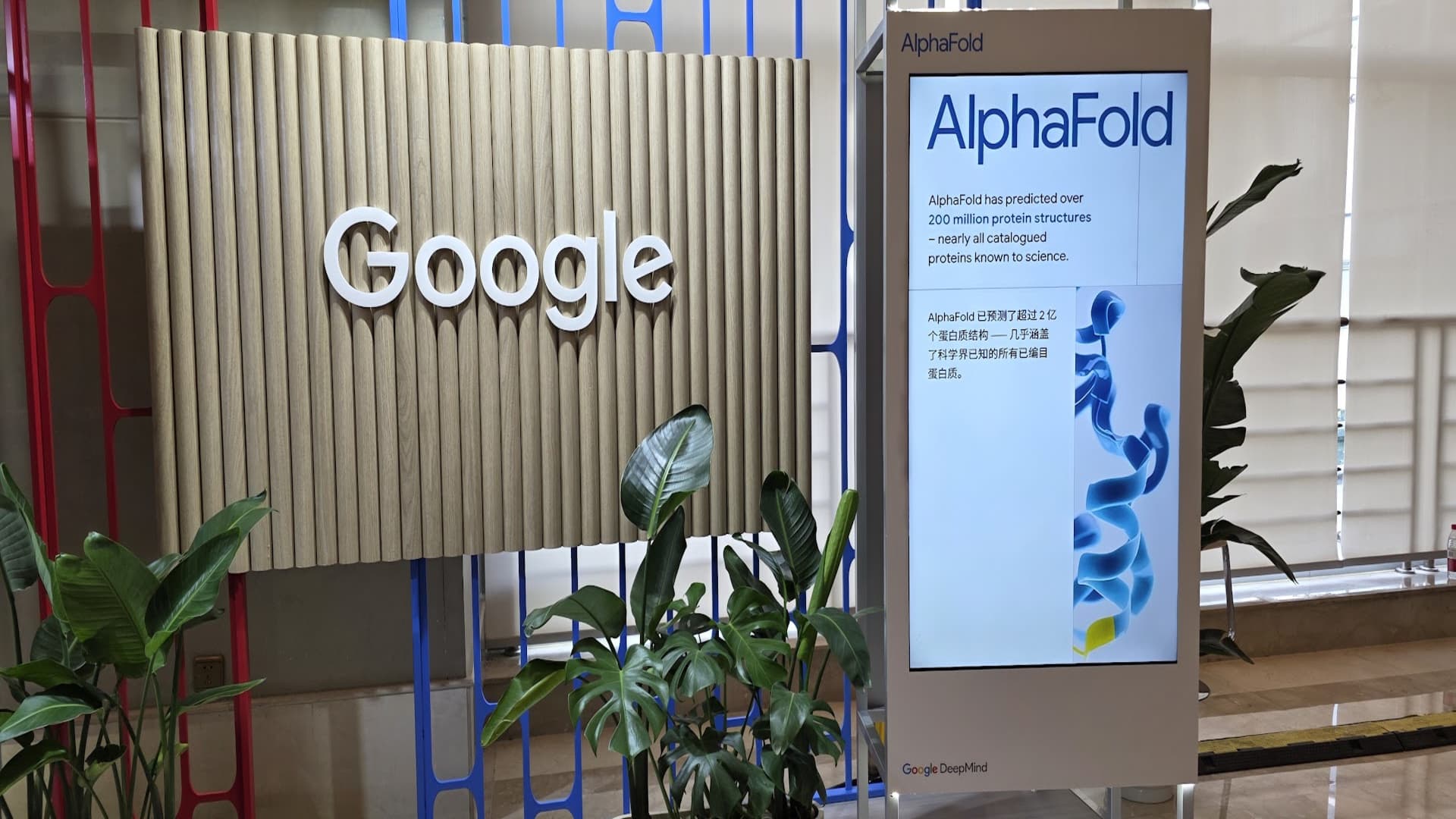
U.S. company visibility at the Chengdu event was limited, according to CNBC. Google and Meta were the only American companies CNBC observed with booths as of July 23, and their displays focused on Google’s AlphaFold molecular AI system and Meta’s AI tools for small businesses rather than flagship large language models. Google government affairs vice president Wilson L. White made only brief references to Gemini in a July 24 speech, CNBC reported.
Chinese corporate messaging was more direct. Tencent Vice President Cai Guangzhong highlighted wider use of the company’s Hunyuan large language model and a cloud project in Thailand, according to CNBC.
Analysts cited by CNBC said the likely result in Asia is a mix of U.S. and Chinese technology rather than a clean split. Yue Su, principal economist at the Economist Intelligence Unit, said the two countries cannot fully separate from each other in AI despite fierce competition in technology and diplomacy.
This story draws on original reporting from CNBC.


