US eases UAE chip export path as Warren questions MGX provision
Commerce said it would upgrade the UAE’s export-control status, drawing scrutiny over MGX’s use of a Trump-linked stablecoin in a Binance investment.
By Amanda Ross · Deals Correspondent
· 3 min read
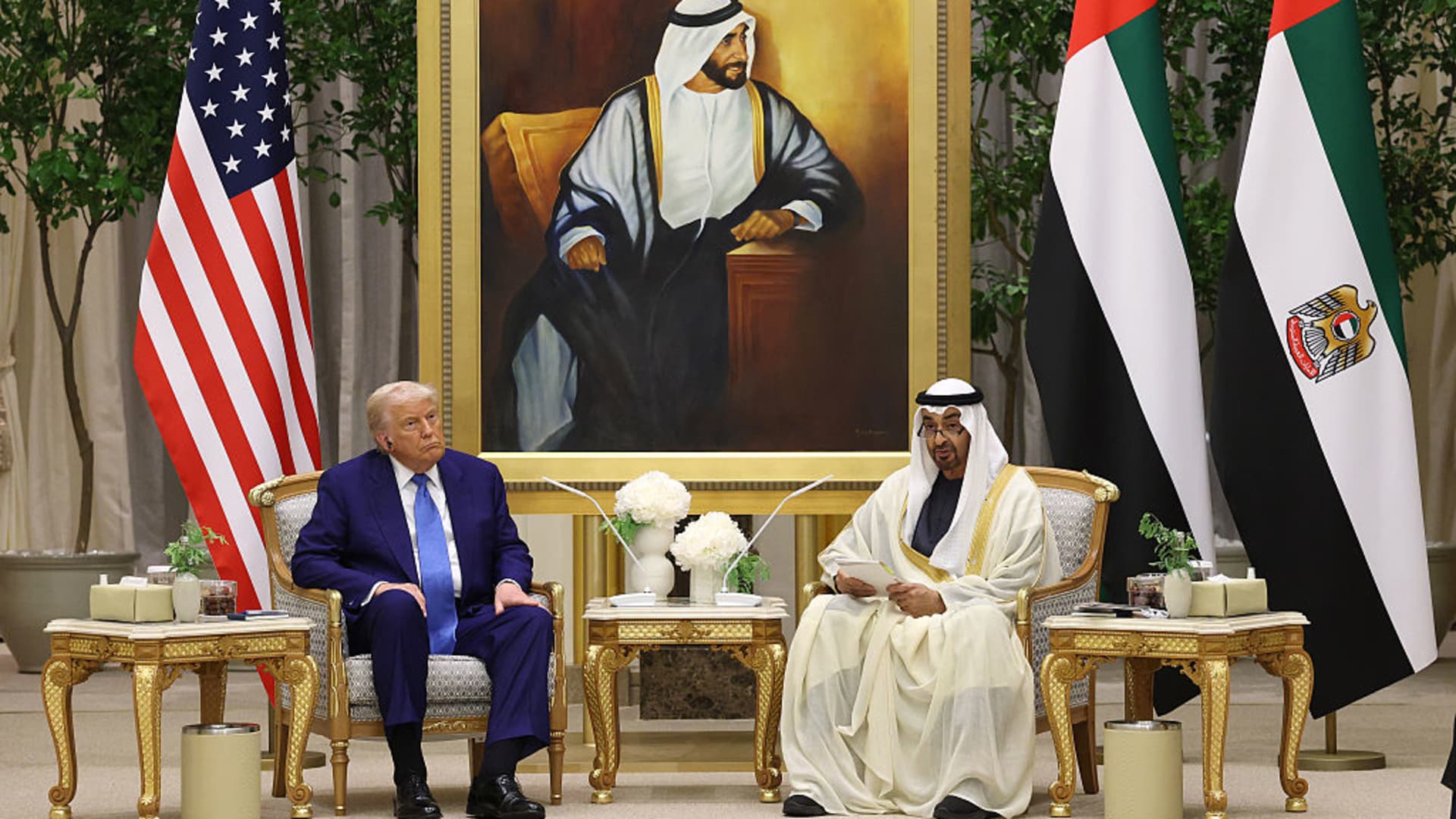
The Commerce Department moved Friday to loosen export controls for the United Arab Emirates, a change that could speed access to some advanced computing equipment for major technology companies and UAE-linked groups. The unpublished 17-page rule, scheduled for Federal Register publication on July 14, includes language saying the Bureau of Industry and Security will give favorable review to certain semiconductor and server license applications involving MGX, the UAE-backed investment firm.
The provision drew immediate criticism from Sen. Elizabeth Warren, the Massachusetts Democrat and ranking member of the Senate Banking Committee, because MGX used USD1, a stablecoin issued by the Trump family-affiliated World Liberty Financial, for its $2 billion investment in Binance. CNBC reported that Binance is the world’s largest cryptocurrency exchange by daily volume.
Export controls require companies to obtain government approval before selling or transferring specified technologies to certain foreign users or destinations. License exceptions can reduce the number of case-by-case approvals needed, although restrictions remain in place to stop sensitive technology from reaching barred users or countries such as China.
According to the Commerce Department, the rule will “significantly upgrade the status of the United Arab Emirates” under export regulations. The department said the change reflects the UAE’s role as a U.S. Major Defense Partner and its support for U.S. national security interests, including Operation Epic Fury, the war against Iran.
The broader rule gives the UAE government, Abu Dhabi artificial intelligence group G42 and its cloud subsidiary Core42 access to license exceptions for certain advanced-computing equipment. CNBC reported that Amazon, Apple, Google, Meta, Microsoft, OpenAI, Oracle and xAI would also receive streamlined treatment for some controlled equipment used in UAE operations and data center projects.
The changes could reduce delays for chip sales and related data center equipment, but they do not remove all export limits. The rule also relaxes some controls on military, satellite and spacecraft-related exports, according to CNBC.
Warren called the rule “corrupt” and linked her objection to the UAE-related crypto transactions. In a statement, she said, “We already know that the UAE royal behind G42 and MGX secretly bought a 49% stake in the Trump crypto company, World Liberty Financial.”
She also said, citing President Donald Trump’s recent financial disclosure, that Trump made “a whopping $263 million windfall related to this deal” and received $1.4 billion from crypto ventures last year. Warren said Commerce was now granting G42 license-free access to advanced AI chips and promising favorable treatment for MGX despite reported concerns about diversion of sensitive technology to China and other national security risks.
Warren called for Commerce Secretary Howard Lutnick and BIS Under Secretary Jeffrey Kessler to testify before Congress about the rule and its security implications. CNBC reported that Warren and other Senate Democrats had earlier sought hearings on whether UAE-linked investments in World Liberty influenced administration decisions on advanced chips, arms sales and other policies benefiting the UAE.
Kessler is already scheduled to testify next week before the House Committee on Foreign Affairs. CNBC reported that the rule itself contains no evidence that the UAE’s financial dealings with World Liberty affected Commerce’s decision.
This story draws on original reporting from CNBC.


