U.S.-Iran peace talks resume as fighting pause steadies oil markets
Washington and Tehran have paused attacks as mediators pursue talks, while oil fell about 6% amid hopes of reduced Gulf risk.
By Marcus V. Thorne · Markets Editor
· 3 min read
U.S.-Iran peace talks gained room to proceed after the U.S. military stopped two weeks of strikes on Friday and Iran refrained from recent operations against regional targets. Oil prices fell by about 6% early Monday, while futures markets pointed to a stronger Wall Street open, as investors marked down immediate fears of a wider conflict.
The pause remained in place Monday, although negotiations over a more durable settlement faced new strains from related military action elsewhere. Diplomats have sought to give the talks “some space,” and Iran has said it would reciprocate after a China-led effort to restart stalled diplomacy in Pakistan.
China is not the only regional player involved. Oman, which sits across the Strait of Hormuz from Iran, has become a central mediator in discussions over shipping access. An Omani delegation was reportedly in Tehran on Friday and Saturday to work on a provisional arrangement for commercial transit through the waterway.
Where do U.S.-Iran peace talks stand now?
Both sides have described the current negotiations as constructive, but analysts cited by CNBC warned that a quick return to normal shipping conditions is unlikely. The most difficult issues include the future of Iran’s nuclear program, sanctions relief and Tehran’s backing for proxy groups across the Middle East.
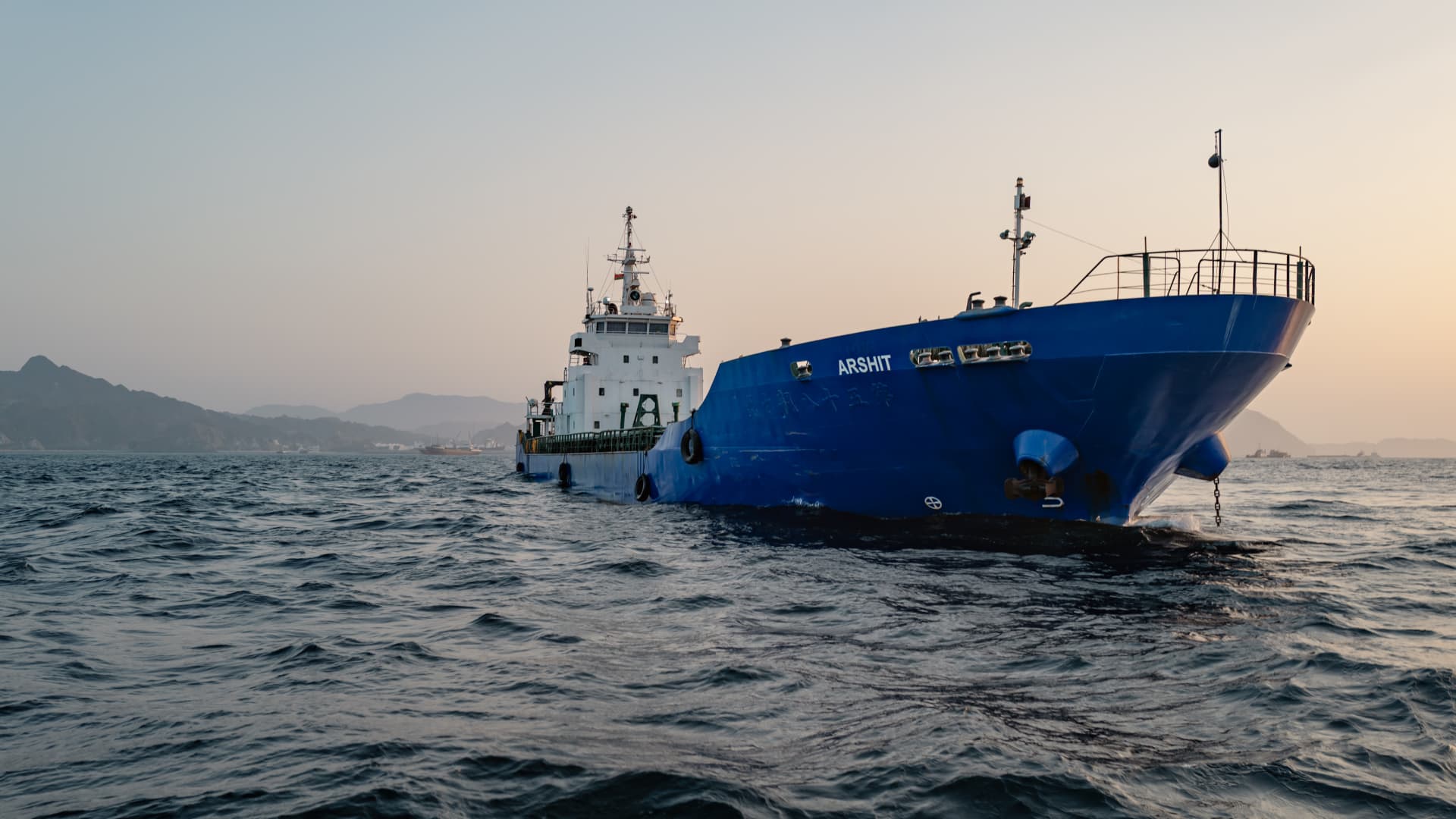
For energy markets, the central issue is maritime security. The Strait of Hormuz remains closed while the U.S. keeps an ongoing blockade in place, according to CNBC. Before the conflict, about one-fifth of global oil supply moved through the strait, making any disruption there a direct concern for crude pricing, shipping costs and inflation-sensitive economies.
The mechanism is straightforward: when a strategic waterway is closed or restricted, cargo owners, insurers and buyers face higher uncertainty over whether oil and other goods can move on schedule. In this case, negotiators are seeking guarantees for toll-free, two-way traffic through Hormuz, a condition seen as essential to any normalization of flows.
Side conflicts keep escalation risk alive
The halt between the main parties did not end conflict-linked action by others. The Saudi military struck Iran-backed Houthi targets in Yemen after the rebel group attacked Red Sea shipping in recent days. Those attacks broaden the maritime risk beyond the Gulf and into another major trade route.
Ukraine’s military also reportedly hit an Iranian commercial vessel in the Caspian Sea, killing one sailor and injuring another. Kyiv said the ship was carrying military cargo tied to Russia’s invasion of Ukraine. Tehran called the strike a “hostile and criminal act.”
Those events have complicated the diplomatic effort by widening the number of actors with the capacity to disrupt talks. A pause by Washington and Tehran reduces one immediate channel of escalation, but it does not by itself settle the security problems around Hormuz, the Red Sea or Iran’s regional network.
Deutsche Bank analysts wrote in a Monday note that “the main market risk remains the energy and shipping front,” citing severe disruption through Hormuz and a conflict that has spread into the Red Sea. The analysts said the situation raises the possibility of simultaneous disruption to Gulf and Red Sea export routes, calling the current pause welcome but fragile while side battles continue.
This story draws on original reporting from CNBC.


