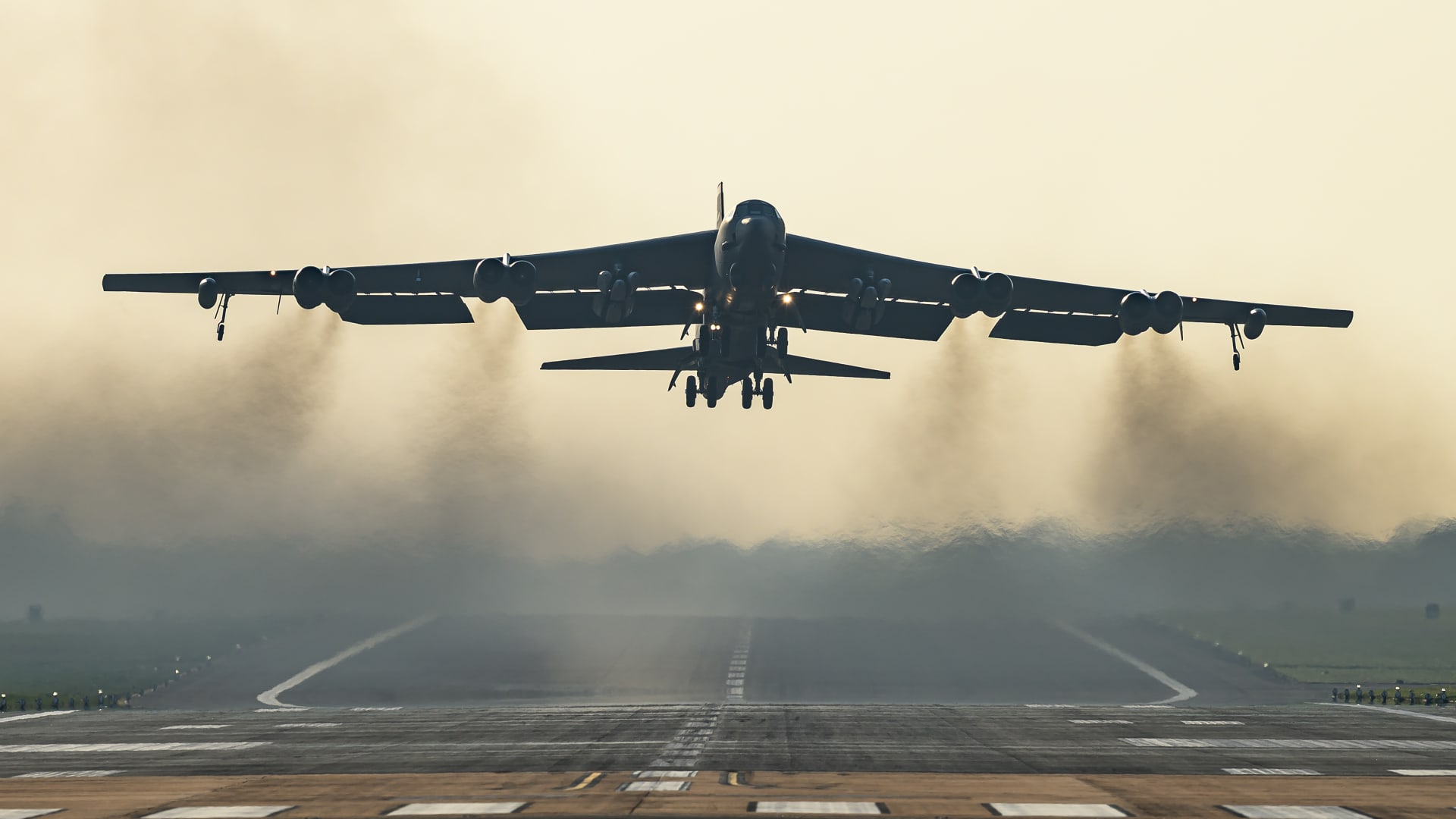
U.S. launches ninth night of Iran strikes as oil rises above $90
CENTCOM said it opened a new round of strikes as U.S. deaths reached 17 and Hormuz traffic slowed, lifting Brent crude futures to about $90.70.
By Marcus V. Thorne · Markets Editor
· 3 min read
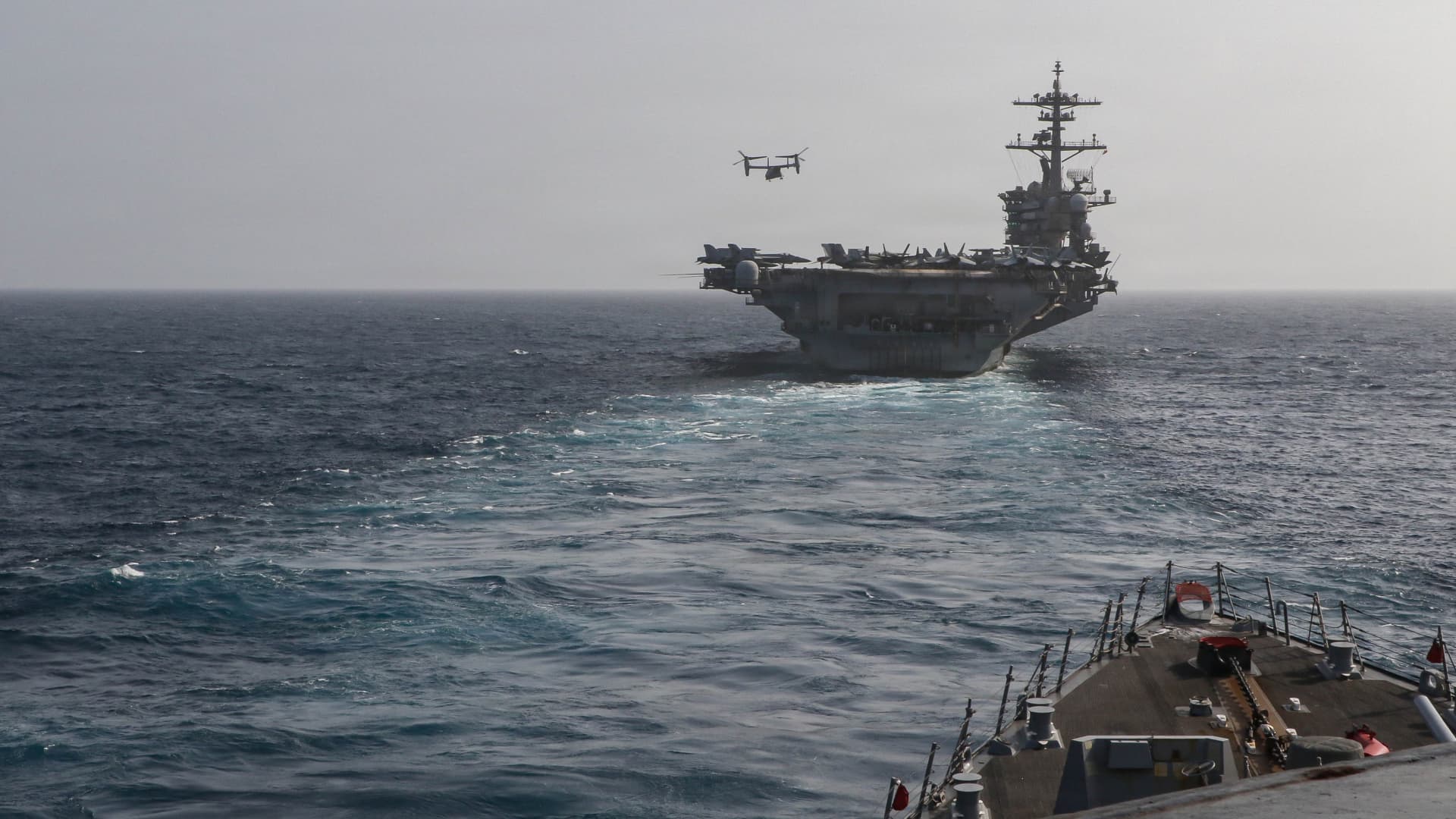
The U.S. military began a ninth consecutive night of strikes on Iran on Sunday, extending a campaign that Washington says is intended to reduce Tehran’s capacity to attack commercial vessels in the Strait of Hormuz. The escalation pushed Brent crude futures up nearly 3% to about $90.70 a barrel, while U.S. WTI futures rose 2.5% to $84.60.
U.S. Central Command said in a post on X that it started a fresh wave of operations at 7 p.m. ET. CENTCOM said the strikes were aimed at further reducing Iranian military capabilities used against ships moving through the strait.
The Strait of Hormuz has become a central theatre in the conflict that began on Feb. 28, when the U.S. and Israel launched strikes on Iran. Before the war, the waterway carried about 20% of global oil traffic, making disruptions there immediately relevant for energy markets, shipping costs and inflation expectations.
Military action in and around the strait affects markets because the channel is a narrow transit point linking Gulf producers with buyers in Asia, Europe and elsewhere. When ship movements slow or insurance and security costs rise, traders typically reassess the risk premium embedded in crude prices.
Casualties increase on both sides
The human cost continued to rise over the weekend. U.S. forces said Sunday that a third American service member had been killed in recent fighting with Iran. They also said unidentified remains had been found in Jordan after a service member was listed as missing in action.
Those developments brought the number of U.S. personnel killed in the nearly five-month war to 17, according to U.S. forces.
Iranian authorities said Sunday that renewed U.S. strikes this month had killed at least 50 people and wounded more than 500.
The conflict has intensified despite a memorandum of understanding framework reached in June. Washington and Tehran have each accused the other of breaching that framework, while attacks have expanded across the region.
Michael Feller, chief strategist at Geopolitical Strategy, said the memorandum left unclear how contested incidents would be assessed and whether a breach in one area would affect commitments elsewhere. He said that ambiguity meant the first major disagreement quickly became a dispute over whether the arrangement remained in force.
Regional infrastructure targeted
Recent U.S. strikes have expanded to include civilian infrastructure, including the Bonji desalination plant, which cut water supplies to about 10,000 people, according to reporting cited by CNBC.
Tehran has also carried out retaliatory attacks across the Gulf, with targets in Bahrain, Saudi Arabia and Jordan. Kuwaiti officials said Friday that Iranian missile and drone strikes hit civilian infrastructure in Kuwait, including a water desalination facility.
The U.S. embassy in Manama said Monday that it had information indicating Iran may seek to target unspecified sites in central Bahrain’s capital. The embassy urged Americans in the city to remain vigilant.
Shipping through Hormuz has slowed during the renewed hostilities. Maritime intelligence firm Kpler said traffic fell to the lowest level in three weeks, with eight passings on Thursday compared with 15 the prior day.
U.S. officials said flows had not stopped. Energy Secretary Chris Wright said Sunday that about two-thirds of pre-conflict traffic, or roughly 14 million barrels a day, was still moving through the chokepoint. Before the conflict, about 20 million barrels a day of crude oil and refined products passed through the strait.
In an interview with ABC, Wright said public reports suggesting that most shipping traffic had halted in recent days were inaccurate. He said flows were not fully restored but were running at about two-thirds of previous levels.
This story draws on original reporting from CNBC.