U.S. strikes Iran as Red Sea threat tests oil supply routes
Brent and WTI fell after early gains as attacks around Hormuz and Houthi threats to Saudi shipping raised pressure on crude export routes.
By Marcus V. Thorne · Markets Editor
· 3 min read
The U.S. carried out a tenth consecutive night of attacks on Iran, while Tehran and Yemen’s Houthi movement stepped up pressure on maritime traffic near two of the oil market’s most sensitive routes. Crude prices initially rose after the Houthi threat to Saudi shipping, but CNBC market data showed Brent and West Texas Intermediate later trading lower as investors weighed reports of a possible short ceasefire.
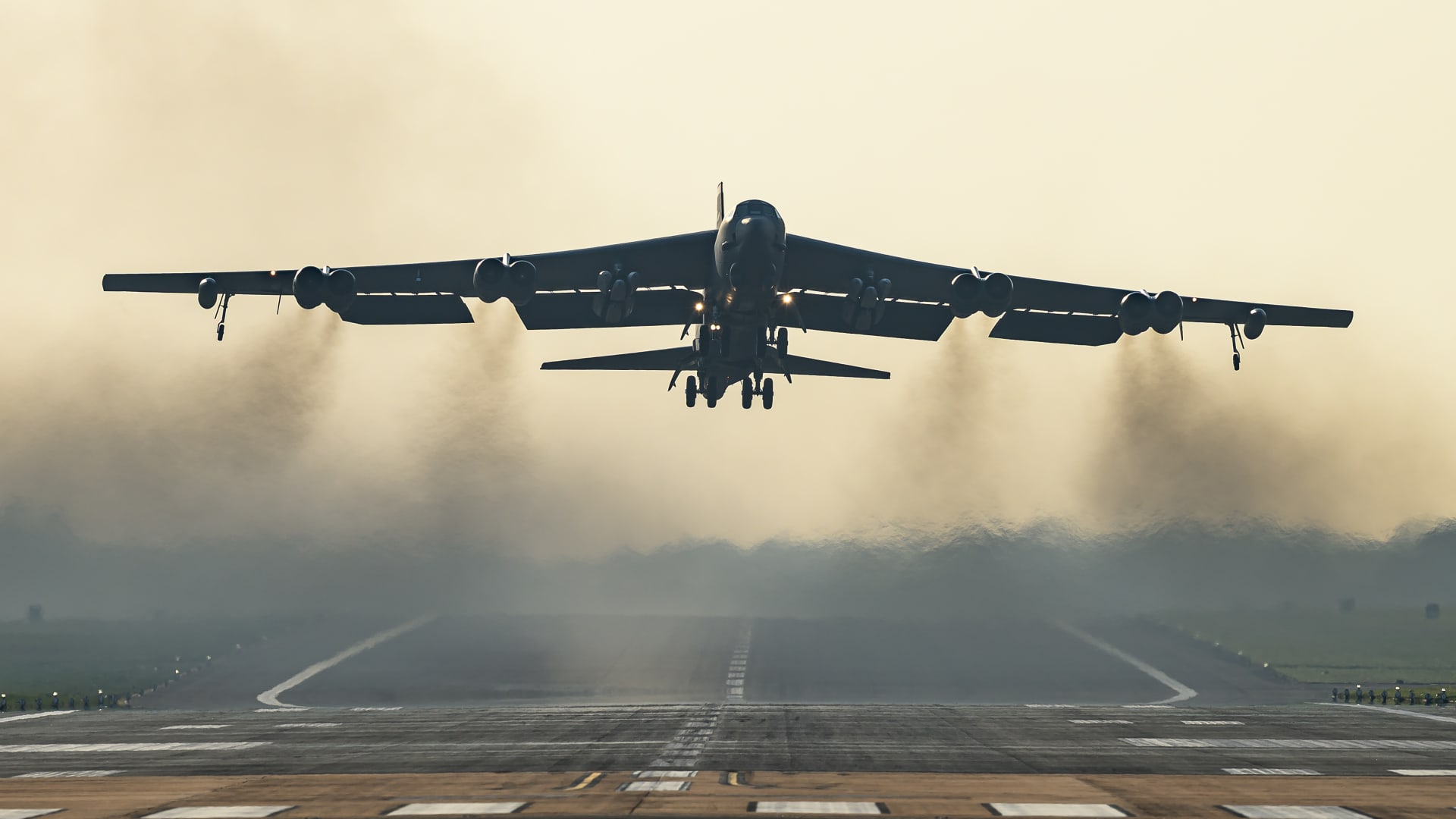
U.S. Central Command said American forces struck Iran at 9 p.m. ET on Monday, targeting military command sites, maritime assets, missile and drone launch locations, and air defenses. Centcom said the operation was intended to reduce Iran’s capacity to attack commercial ships moving through the Strait of Hormuz.
The command said commercial vessels were still passing through the strait. Since early May, U.S. forces have helped about 900 commercial ships and 450 million barrels of crude oil move through the waterway, according to Centcom.
The Strait of Hormuz is a narrow passage between the Persian Gulf and the Gulf of Oman that typically carries about 20% of global oil traffic. Disruption there can affect crude availability because tankers carrying Gulf exports must use the route unless producers can shift volumes through pipelines or alternative terminals.
Ceasefire proposal under discussion
Axios reported that regional mediators have put a 10-day ceasefire proposal to Washington and Tehran. CNBC reported that such an agreement could revive progress around a memorandum of understanding reached last month.
ING strategists Warren Patterson and Ewa Manthey said in a Tuesday note that the reports created some expectation of de-escalation, while warning that a deal would be difficult because major differences remain between the U.S. and Iran.
President Donald Trump said Monday on Truth Social that Iran would face retaliation for the deaths of U.S. troops. “Every time Iran kills an American Soldier they will pay for that killing many times over!” Trump wrote, adding that the instruction had been given to military leaders.
Iran, meanwhile, attacked a tanker in the Strait of Hormuz early Tuesday, according to the United Kingdom Maritime Trade Operations incident log. The attack forced the crew to leave the vessel, CNBC reported.
Houthis widen pressure on Saudi exports
In Yemen, the Iran-backed Houthis declared an immediate maritime embargo against Saudi Arabia, according to a statement carried by the Saba state news agency. The group accused Saudi Arabia of imposing an “aggressive siege” and said tensions had increased after it claimed Riyadh bombed Sanaa International Airport last week.
The Saudi-led coalition in Yemen said Houthi threats against transiting vessels would be met with force and described the blockade threat as a violation of international law, according to Asharq Al-Awsat.
The Houthis have repeatedly threatened to close the Bab el-Mandeb Strait during the U.S.-Iran conflict. The passage links the Red Sea with the Gulf of Aden, making it a critical route for ships moving between the Indian Ocean, the Suez Canal and global markets.
Brent crude futures for September delivery were last down 1.5% at $87.95 a barrel after rising above $90 in the previous session, CNBC market data showed. U.S. West Texas Intermediate futures for August delivery were 1.2% lower at $82.25.
Rystad Energy’s Jorge León said the Houthi threat places about 2.5 million barrels a day of Saudi oil at risk, especially with traffic through Hormuz under severe strain. He said the market is relying more heavily on Saudi Arabia’s East-West pipeline and Red Sea terminals to keep exports moving.
The Petroline system runs roughly 750 miles from Abqaiq on Saudi Arabia’s Gulf side to Yanbu on the Red Sea. León said any disruption at Bab el-Mandeb would endanger Saudi shipments and one of the few remaining routes able to offset reduced Hormuz flows.
This story draws on original reporting from CNBC.