U.S. strikes Iranian sites as Hormuz port blockade resumes
CENTCOM said the operation targeted capabilities used against commercial shipping as Washington restored a blockade around Iranian ports near Hormuz.
By Amanda Ross · Deals Correspondent
· 3 min read
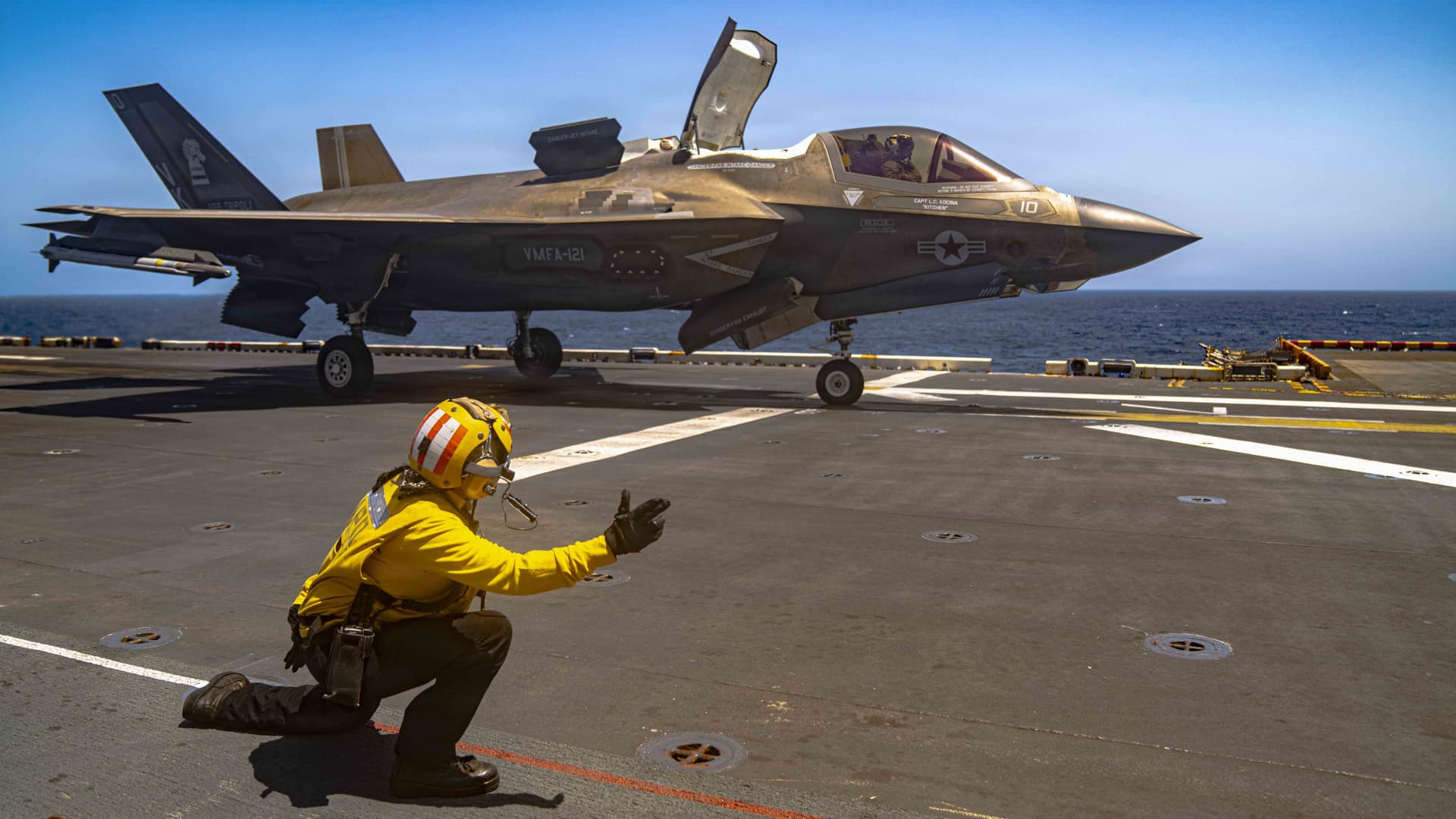
U.S. forces struck Iranian targets on Tuesday shortly before Washington resumed a naval blockade of Iranian ports in and around the Strait of Hormuz, U.S. Central Command said. The action came after CENTCOM said Iran had attacked seven commercial vessels in seven days, leaving about a dozen crew members dead, missing or injured, and as traffic through a waterway that carried 20% of global oil before the war fell sharply.
CENTCOM said the strikes began at 3 p.m. ET and were intended to reduce Iranian capabilities used to threaten merchant shipping in the strait. The United States said the blockade in the Gulf of Oman would resume at 4 p.m. ET.
Brad Cooper, the CENTCOM commander, said in a social media statement that Iran had intentionally targeted civilians. He linked the U.S. action to attacks on commercial ships, a focus that places maritime security and energy flows at the centre of the latest escalation.
Ceasefire collapse raises pressure on shipping routes
The blockade had been suspended after the United States and Iran reached a temporary ceasefire under a 14-point memorandum of understanding last month. President Donald Trump said last week that the ceasefire was “over” after renewed hostilities and mutual accusations that the other side had breached the agreement.
Trump announced on Monday that the United States would restore the blockade against Iran. The move followed what Washington described as renewed Iranian efforts to assert control over the strait as the ceasefire unraveled.
A naval blockade restricts access to designated ports or waters through military enforcement. In this case, the U.S. measure targets Iranian ports in and around a corridor central to oil and cargo movements between the Gulf and global markets.
Commercial shipping through the strait was already well below prewar levels during the ceasefire and declined further in recent days, according to ship-tracking firms. Before the United States and Israel began the war against Iran in late February, the Strait of Hormuz handled about one-fifth of the world’s oil flows.
Treasury adds sanctions as toll plan is withdrawn
The U.S. Treasury said on Tuesday that it imposed new sanctions aimed at dismantling what it called the “illicit shipping empire” of Mohammad Hossein Shamkhani. Treasury described the network as a major facilitator of Iranian oil exports.
Sanctions on shipping networks typically seek to cut off access to vessels, companies and financial channels used to move oil or other goods. Treasury’s action adds an economic tool to the military pressure Washington is applying around Hormuz.
Trump also used a Truth Social post to say the Strait of Hormuz was open and would remain open “with or without Iran.” In the same post, he said the United States would seek reimbursement equal to 20% of cargo shipped through the strait.
Energy specialists and shipping groups, including the United Nations’ International Maritime Organization, opposed the toll idea. Critics also cited prior statements from Trump administration officials saying that a country could not lawfully impose tolls on an international waterway.
Trump reversed the proposal on Tuesday morning, saying on Truth Social that it would be replaced by trade and investment deals from Gulf states into the United States. Later at the White House, he said leaders had called him to suggest another approach and named Saudi Arabia, the United Arab Emirates, Qatar, Bahrain and Kuwait among the countries he had spoken with. None of those countries had announced new U.S. investment plans this week.
This story draws on original reporting from CNBC.