Warren Buffett estate tax stance draws scrutiny as donations accelerate
Buffett supports the estate tax but is moving Berkshire shares into family foundations, reviving debate over billionaire philanthropy and taxes.
By Marcus V. Thorne · Markets Editor
· 3 min read
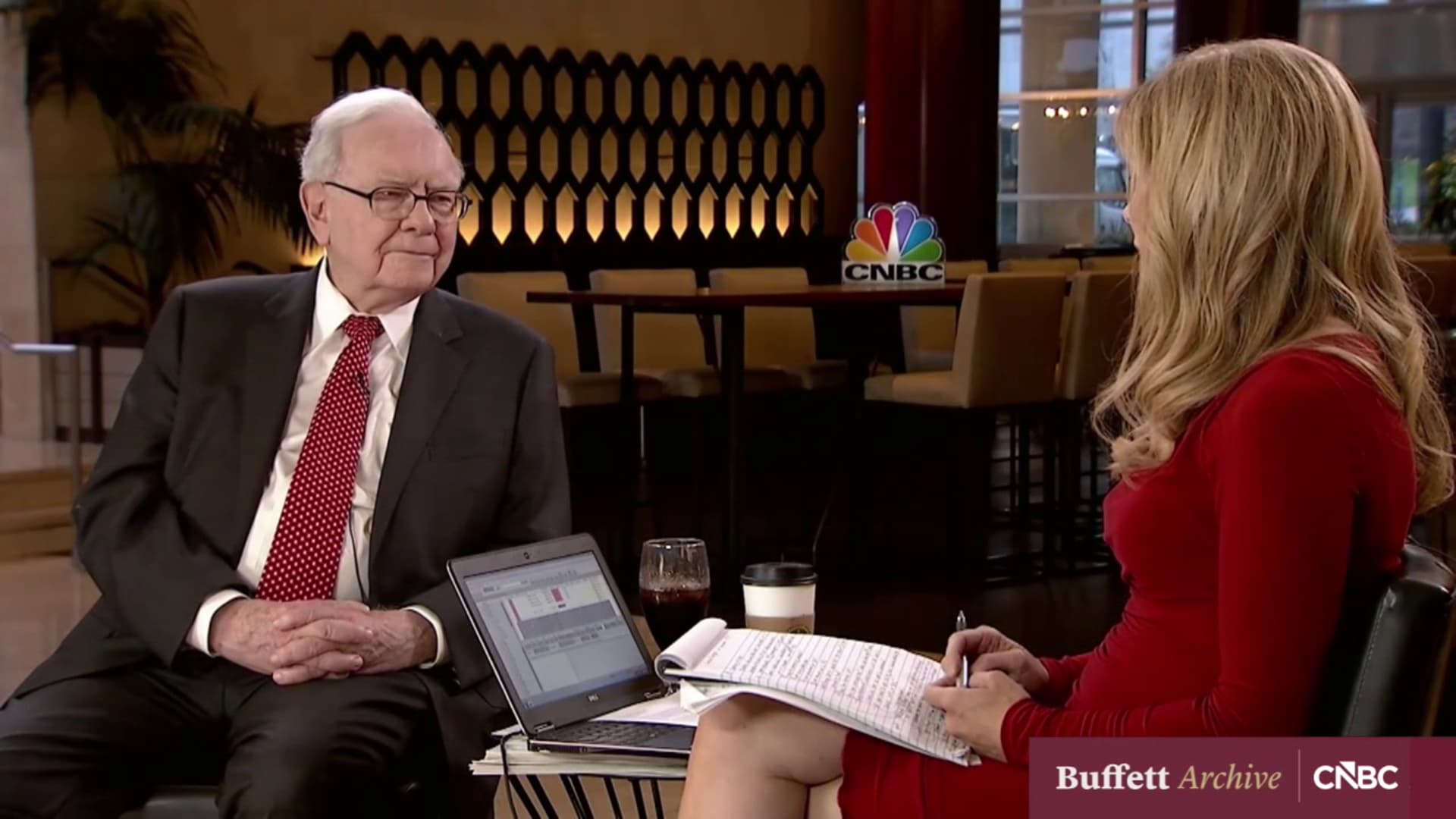
Warren Buffett estate tax questions have resurfaced after CNBC reported that the Berkshire Hathaway chair is speeding up annual donations from about $140 billion of Berkshire shares to four family foundations. The move has revived debate over how billionaire philanthropy interacts with the U.S. tax system, even as Buffett has long argued that very large estates should face taxation.
CNBC’s Warren Buffett Watch said reader responses to Buffett’s decision were divided. Some praised the scale of his giving, others questioned whether foundation spending would reach people in need, and some accused him of using charitable structures to reduce estate and capital gains taxes.
Buffett has repeatedly said he does not object to paying taxes and has pointed to the large federal tax payments made by Berkshire Hathaway. CNBC cited his view that he has been “under-taxed in relation to what society has delivered to me,” as well as his criticism that his secretary could face a higher effective tax rate than he does once payroll taxes and lower capital gains rates are considered.
That argument helped inspire President Barack Obama’s proposed “Buffett rule,” which would have required Americans earning more than $1 million a year to pay at least 30% in tax. The Senate rejected the proposal in 2012, according to CNBC.
Why won't Warren Buffett pay estate tax?
CNBC framed the issue around Buffett’s charitable plan: assets donated to foundations are not being passed as ordinary inheritances to children and grandchildren. Buffett has advocated an estate tax on large fortunes, while his own giving strategy directs Berkshire wealth toward philanthropic entities rather than a taxable dynastic transfer.
In a 2017 CNBC interview, when Congress was weighing a Republican bill that would have phased out the 40% estate tax, Buffett argued against repeal. He said roughly 2.6 million people would die in the United States that year, while only about 5,000 estates would owe the tax.
Buffett told CNBC that eliminating the estate tax would allow him to leave tens of billions of dollars to descendants, creating what he described as a dynastic concentration of wealth. He said such outcomes would be a poor allocation of national resources and contrary to capitalism’s reliance on efficient allocation.
Asked by CNBC’s Becky Quick whether his children’s foundations were better allocators than the federal government, Buffett said he believed they were. He added that he had not encouraged the foundation structure until his children were in their 40s and he had seen how they lived and worked.
The estate-tax repeal bill discussed in that interview did not become law. CNBC, citing Kiplinger, said the federal estate tax exemption has since risen to $15 million per person.
Berkshire closes Taylor Morrison acquisition
Separately, Berkshire Hathaway completed its $6.8 billion purchase of Taylor Morrison, one day after the homebuilder’s shareholders approved the transaction, according to CNBC and a Berkshire news release.
Greg Abel, Berkshire’s chief executive, said in the release that Taylor Morrison would lead Berkshire’s plan for a unified site-built homebuilding business. CNBC noted that the structure differs from Berkshire’s customary model of allowing subsidiaries to operate separately.
Berkshire said Taylor Morrison’s brands will be integrated into Clayton Properties Group and will serve renters, entry-level buyers, move-up buyers and resort lifestyle customers. When the deal was announced in late May, Buffett told CNBC’s Becky Quick that Abel had handled the transaction faster and more smoothly than he could have done.
Margaret Whelan, founder and chief executive of Whelan Advisory, told CNBC at the time that Berkshire’s decision to buy Taylor Morrison suggested the housing market had bottomed. She said sophisticated buyers would be likely to wait or pay less if they believed the market was still declining.
This story draws on original reporting from CNBC.


