Warren says CFPB changes have cost consumers as much as $26.5 billion
The senator’s report ties most of the estimated cost to rollbacks of credit-card late-fee and overdraft rules under the Trump administration.
By Marcus V. Thorne · Markets Editor
· 3 min read
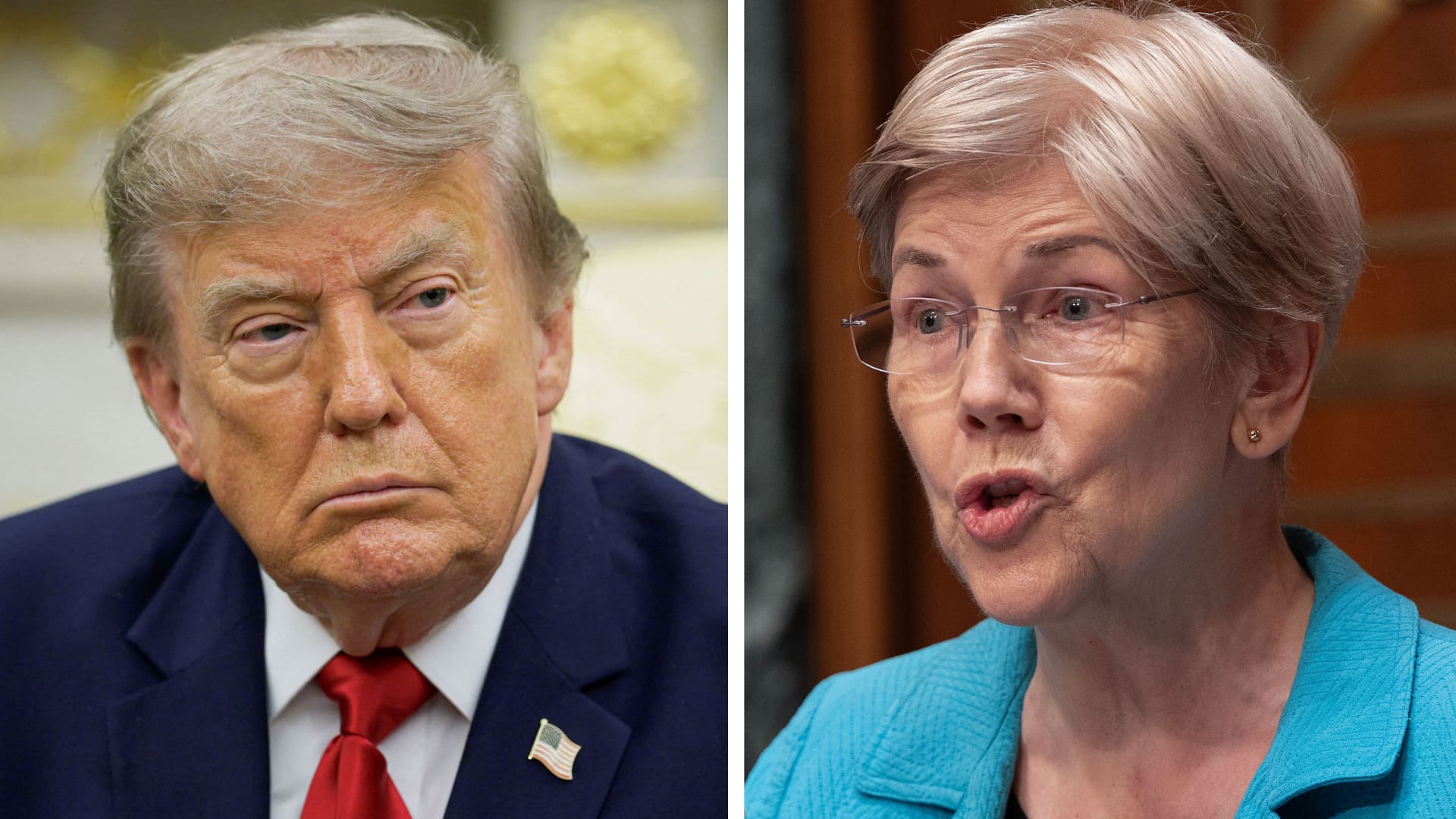
Sen. Elizabeth Warren said Thursday that changes at the Consumer Financial Protection Bureau under President Donald Trump have cost Americans as much as $26.5 billion, with most of the estimate tied to rolled-back limits on bank and card fees. The report lands as acting CFPB director Russell Vought faces Senate scrutiny over the bureau’s direction and as lawmakers weigh Trump’s nominee to lead the agency permanently.
Warren, a Massachusetts Democrat who helped create the CFPB after the 2008 financial crisis, said in a report that the largest consumer cost came from the bureau’s move away from a Biden-era rule limiting most credit-card late fees to $8. The CFPB had previously estimated that rule would save consumers about $10 billion a year. Warren’s report attributes up to $15 billion in costs to abandoning that cap.
The report assigns a further $7.5 billion to the repeal of the CFPB’s overdraft fee rule, which would have limited many banks to charging $5 for overdrafts. Such rules work by restricting the amount financial institutions can collect when customers miss card-payment deadlines or spend more than the balance available in a deposit account. Lower caps reduce fee revenue for banks and card issuers while increasing the amount consumers retain, according to the CFPB’s earlier estimates cited by Warren.
Warren’s report says roughly $4 billion more came from the bureau’s decision to drop more than three dozen enforcement actions and settlements. In CFPB cases, enforcement actions can seek restitution, civil penalties or changes to company practices. Settlements and consent orders sometimes include direct payments to affected consumers, which Democrats argue were lost or placed at risk when the agency narrowed or ended cases.
The CFPB’s shift has become a central flashpoint in the broader fight over financial regulation in Washington. Since Trump returned to office last year, his administration has cut bureau staffing, dismissed or narrowed enforcement matters, and rescinded Biden-era rules, saying the agency should be refocused on its core responsibilities. Republicans have defended the changes as a response to what they regard as regulatory overreach.
Democrats led by Warren say the overhaul has weakened a consumer-finance watchdog designed to police unfair, deceptive or abusive practices across markets including credit cards, bank accounts, mortgages and consumer lending. Warren also sent Vought a letter ahead of Thursday’s oversight hearing listing congressional requests she said had not been answered during his tenure at the bureau.
The hearing is expected to cover the fee-rule reversals, the dropped enforcement matters and an allegation that the CFPB recently removed 15 years of consumer data from its website. Vought is serving as acting director while the Senate considers Brian Johnson, a former CFPB deputy director and Capital One executive whom Trump nominated to run the agency on a permanent basis.
The White House and the CFPB did not immediately respond to requests for comment.
This story draws on original reporting from CNBC.


