Warsh faces inflation test after two days of congressional scrutiny
The Fed chair defended his approach to inflation measures as June CPI and PPI fell, while lawmakers pressed him on price stability.
By Sarah Jenkins · Chief Macro Economics Correspondent
· 4 min read
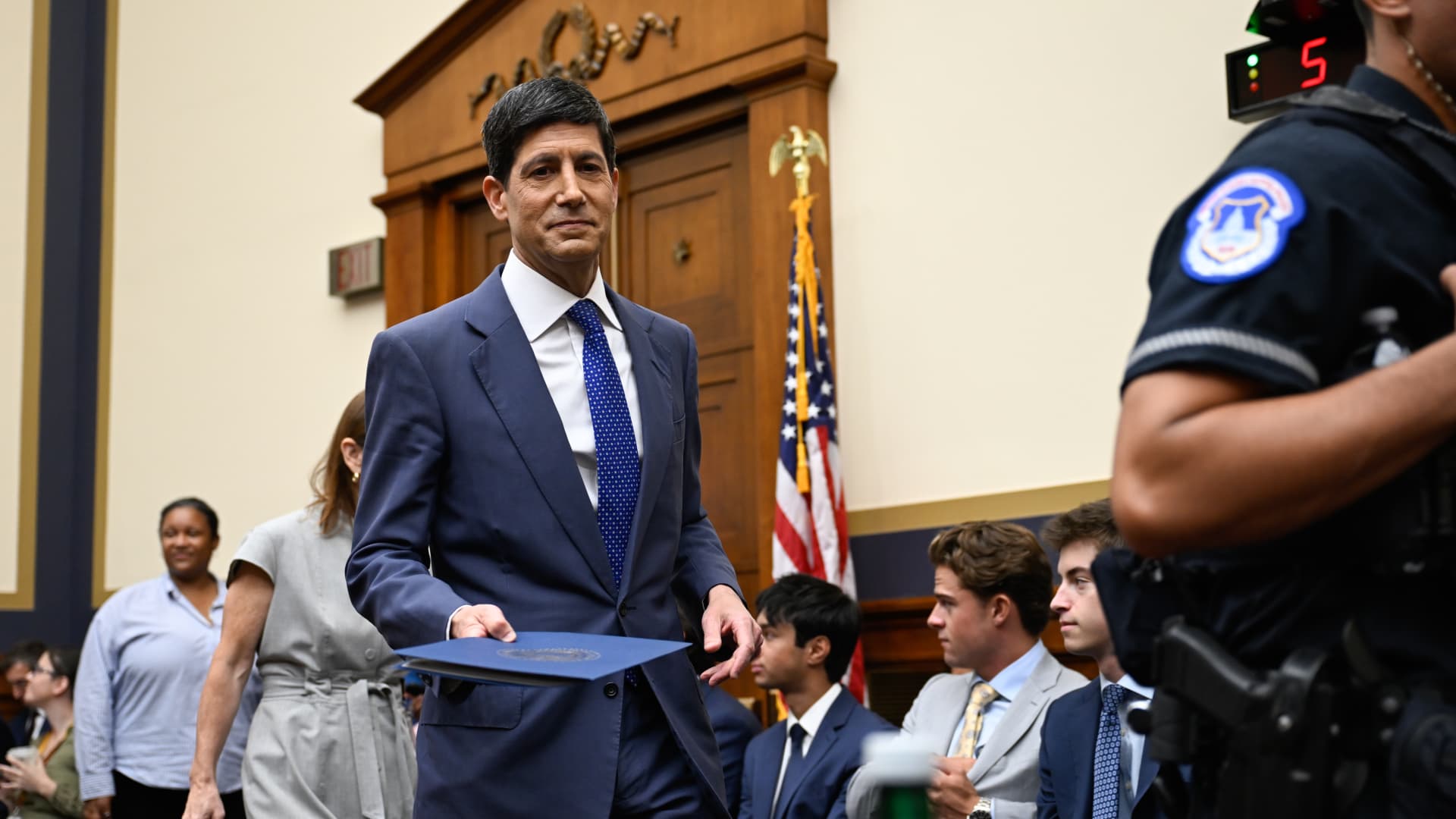
Federal Reserve Chairman Kevin Warsh ended two days of testimony before House and Senate lawmakers with few major errors, according to CNBC, but with pressure rising over whether the central bank can restore price stability. The near-term backdrop shifted this week after the consumer price index fell 0.4% in June and the producer price index declined 0.3%, CNBC reported.
Warsh told lawmakers on Wednesday that central banks welcome price data moving in a favorable direction, while cautioning that headline measures do not give a perfect reading of underlying inflation. His comments came as members of both parties agreed that prices are still increasing too quickly, leaving the new Fed chair to show that his approach can produce a sustained easing in inflation.
The Fed is due to meet in two weeks to set interest-rate policy. The central bank’s rate decisions affect borrowing costs across the economy and are its main tool for influencing demand and price pressures over time.
Warsh questions inflation gauges
Warsh has begun reviewing how the Fed assesses inflation, including the role of the CPI and PPI. He has appointed a task force to study the issue, but CNBC reported that its findings are not expected for months.
During the hearings, Warsh distinguished between broad inflation and isolated price movements. He said the Iran war has lifted gasoline prices in the United States, but argued that such a shock is not necessarily the form of inflation the Fed can address directly.
“Particular price shocks happen to particular prices that we don’t have control over. But I don’t want to suggest we don’t have control over inflation in the medium term. That’s our job,” Warsh told lawmakers, according to CNBC.
The distinction is central to the policy debate. If a price increase reflects a temporary supply shock, raising rates may do less to resolve the underlying shortage. If price gains spread across the economy, the Fed may face greater pressure to tighten policy.
AI spending divides Fed officials
Fed officials also appear split over whether the artificial intelligence investment boom is adding to inflation. CNBC reported that data-center construction tied to AI demand has become part of the internal debate over prices.
Fed Governor Lisa Cook said in a Wednesday speech that AI-related investment could contribute to inflation through “significant price increases for chips, other high-tech equipment, software, and utilities.” She said that assessment had changed her balance of risks, with inflation risks now exceeding employment risks.
Warsh described the AI debate inside the Fed as “one of the good family fights,” according to CNBC. He said he expects supply to respond to higher demand, and he did not view a single relative price move as necessarily inflationary. He contrasted that with foreign conflict, which he said tends to reduce the economy’s supply capacity.
Warsh has also formed an AI task force. Some Republican senators praised the range of views represented on his task forces, while Democratic senators said the AI group did not clearly include a voice for labor. CNBC reported that members of the AI task force are broadly favorable toward the technology.
Money supply returns to the policy discussion
Warsh’s monetary policy report to Congress revived reporting on the size of the money supply, CNBC said. The Fed under former Chair Jerome Powell had treated money-supply data as having little relevance for inflation, while Warsh told lawmakers he believes some monetary measures can still offer useful signals.
“I have this old-fashioned view that monetary policy has something to do with money,” Warsh said, according to CNBC. He did not call for a return to the era when the Fed targeted money-supply growth directly in setting policy.
CNBC reported that markets now broadly expect the Fed to raise interest rates by year-end. Warsh has not committed to a path for rates, leaving his standing with Fed colleagues and lawmakers tied to whether inflation continues to ease in a durable way.
This story draws on original reporting from CNBC.