Xbox margin 2030 plan targets profitability lead over rivals
Asha Sharma told Xbox staff the Microsoft gaming unit aims to restore growth, lift margins and expand franchises including Minecraft.
By Amanda Ross · Deals Correspondent
· 3 min read
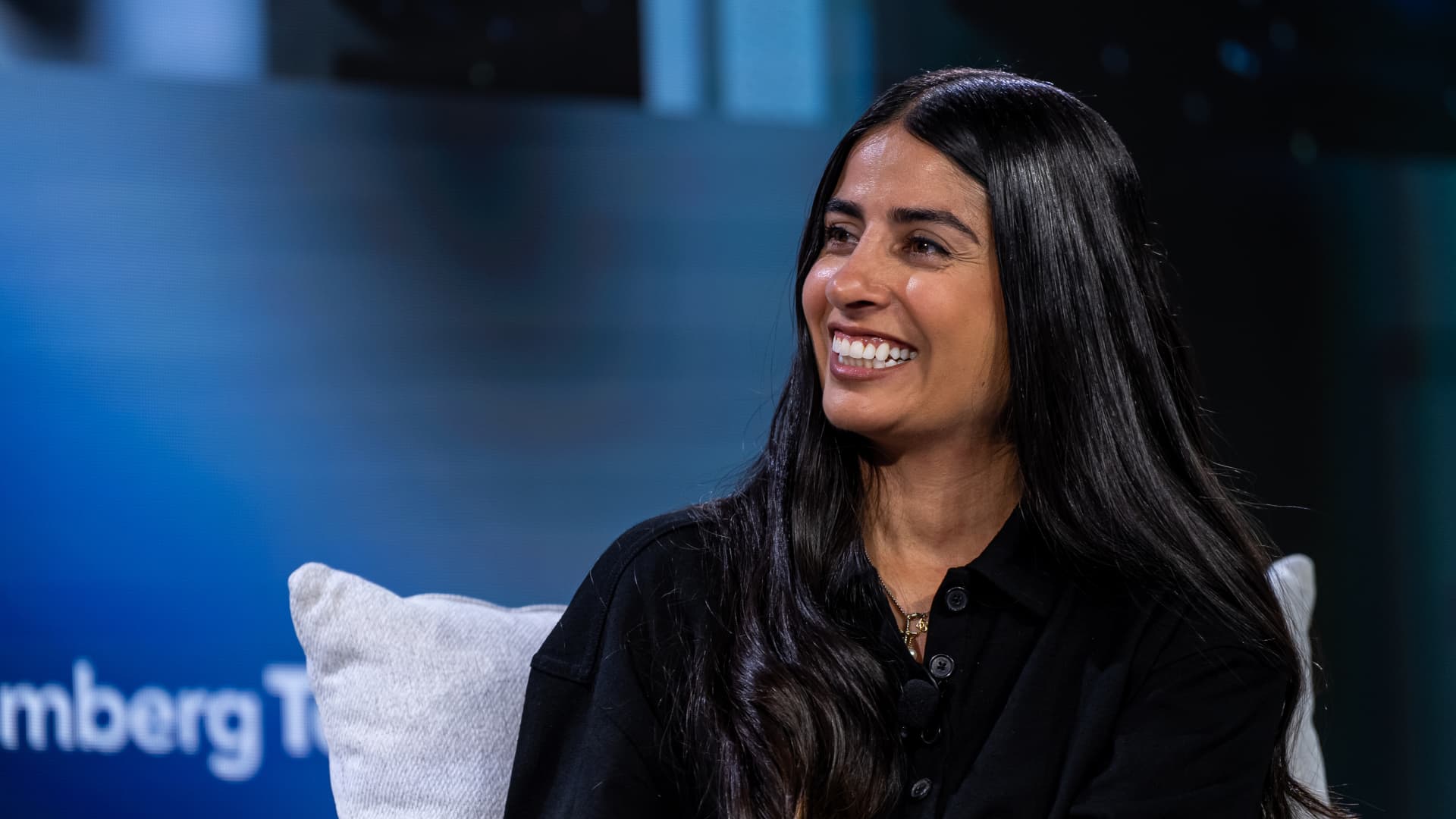
Microsoft’s Xbox margin 2030 plan calls for the gaming unit to catch rivals on profitability by next year and move ahead of them by mid-2030, according to a staff memo from Xbox CEO Asha Sharma that CNBC reported it had reviewed. The target follows a 10% quarterly revenue decline at Xbox, its weakest performance since 2022, even as Microsoft’s broader results beat consensus on cloud infrastructure and productivity software.
Microsoft shares rose almost 16% on Thursday after the company’s earnings report, CNBC reported, the stock’s strongest one-day gain since 2008. The contrast puts pressure on Xbox to show that Microsoft’s large gaming investment can produce durable growth as well as revenue scale.
Sharma, who previously worked at Instacart and Meta, became Xbox CEO in February after succeeding Phil Spencer. Since taking the role, she has named new executives, cut Game Pass subscription prices, announced layoffs and divestitures involving four development studios, and put more weight on exclusive games for Microsoft’s console business, according to CNBC.
What is Xbox's 2030 margin plan?
Sharma told employees that every Xbox function and studio would be accountable for returning the business to growth in player numbers and revenue during Microsoft’s new fiscal year, which ends in June 2027. She wrote that revenue growth needs to accelerate in fiscal 2028 and fiscal 2029, and that by fiscal 2030 Xbox aims to be halfway toward its long-term daily-player goal while posting sustained double-digit growth in players and engagement and industry-leading margins, CNBC reported.
A margin target measures how much of revenue is retained after costs under the company’s chosen accounting measure. For a games business, higher margins can come from a different mix of subscriptions, full-game sales, mobile titles, licensing, studio costs and distribution arrangements.
Sharma and Xbox chief content officer Matt Booty said last month that they expected a 3% internal margin, CNBC reported. Sony disclosed a 9.9% operating margin for its game and network services segment in its latest fiscal year, while Nintendo’s margin approached 16%, according to company filings cited by CNBC.
The memo also sets out a broader franchise strategy. Sharma wrote that Xbox would build long-term plans for its largest properties across film, television, consumer products, sponsorships and live experiences, and pursue new partnerships globally, including in China, according to CNBC.
Microsoft’s $75.4 billion acquisition of Activision Blizzard in 2023 made gaming a larger business inside the software group. CNBC reported that the transaction lifted Xbox revenue but added strain, including through Game Pass access that let consumers try some high-value Call of Duty releases for limited periods at a lower subscription cost rather than buying the games outright. Game Pass now excludes the first-person shooter titles, CNBC reported.
Sharma also pointed to casual games as a share-gain opportunity, partly through King, the Activision Blizzard unit behind Candy Crush Saga. In Minecraft, which Microsoft acquired with developer Mojang for $2.5 billion in 2014, Sharma told employees the company would increase investment in the franchise and expand tools for players to create, share, build audiences and earn, CNBC reported.
Microsoft CEO Satya Nadella told analysts on Wednesday’s earnings call that the company is making decisions across gaming content, platform and operations to reset the business for long-term growth. The memo indicates Sharma’s plan will be judged not only by Xbox’s reach with players, but by whether that reach can translate into margins closer to, and eventually above, those of Sony and Nintendo.
This story draws on original reporting from CNBC.


