Astorg refocuses on mid-market as exit pressure persists
Judith Charpentier told PE Hub the firm is prioritising smaller deal sizes to preserve sale routes amid volatile IPO and M&A conditions.
By Rafael Ortiz · Fintech Correspondent
· 4 min read
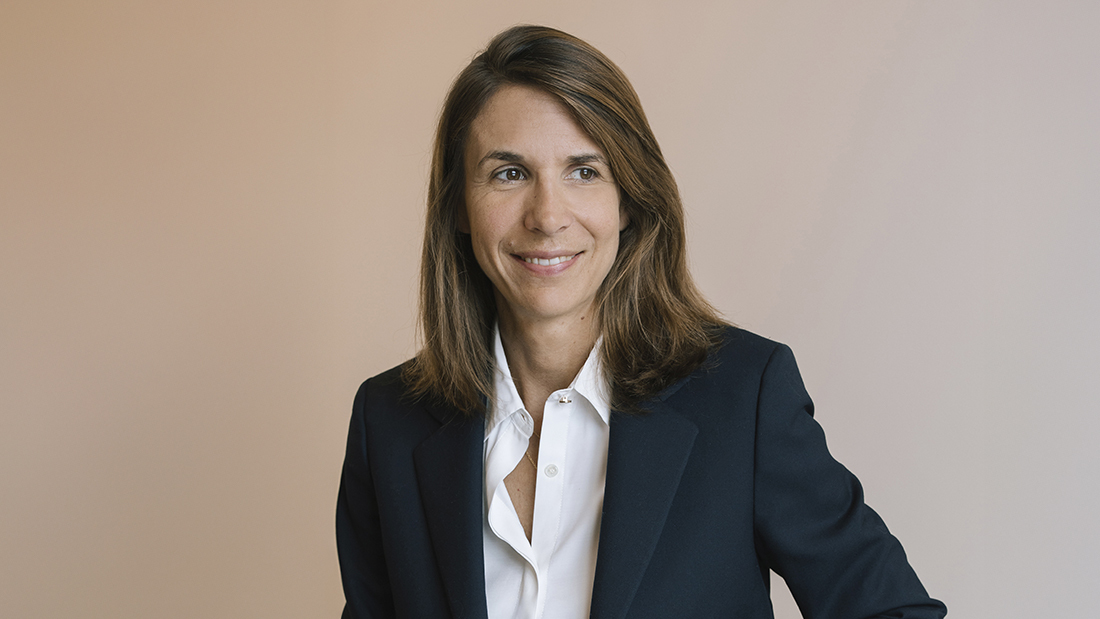
Astorg has shifted attention back to its core mid-market segment to widen the range of potential exits, Judith Charpentier, co-managing partner and co-head flagship, told PE Hub. The firm’s 2019 Fund VII has returned cash equal to 0.7 times paid-in capital and is aiming to reach 1 times next year, after three exits produced €3 billion of proceeds at a 2.8 times money multiple, according to PE Hub and Astorg.
The comments come as private equity managers face a slower exit market and pressure from investors to convert paper gains into distributions. Charpentier told PE Hub that high-quality companies can still be sold, while weaker assets continue to struggle to clear buyer scrutiny or valuation gaps.
PE Hub reported that average holding periods for recently sold portfolio companies have risen above seven years, a level Charpentier described as unprecedented. She said sellers have become more realistic on price as discipline around distributions to paid-in capital, or DPI, has increased across the industry.
Mid-market strategy and exit routes
Astorg is preparing two more exits from Fund VII before the end of the year and additional sales next year, PE Hub reported. The fund’s realised deals include Normec, an Amsterdam-based testing, inspection, certification and compliance company moved into a €1.4 billion continuation fund in 2024; Anaqua, a Boston-based intellectual property management software platform sold to Nordic Capital in 2025; and Clario, a Philadelphia-based clinical trial data company sold this year to Thermo Fisher Scientific for nearly $9 billion alongside Nordic Capital, Novo Holdings and Cinven.
A continuation fund allows an asset manager to sell a company from an older fund into a new vehicle, often backed by secondary investors, while giving existing limited partners the option to cash out or roll exposure. The structure can extend ownership of a company when the sponsor believes further value remains, while still generating liquidity for investors that want distributions.
Charpentier told PE Hub that volatile public markets make exit planning more important because IPO windows can shut quickly. She said Astorg’s move toward its core mid-market investment size is intended to reduce dependence on public listings for larger disposals and keep trade buyers, sponsors and other routes available.
Market conditions remain uneven. PE Hub cited macro shocks, including the war in Iran and an AI-linked sell-off in software assets, as factors that have tempered early-year optimism for 2026. Charpentier said this year could resemble last year, when deal activity improved in the second half after a weaker first half affected by macro events.
Public-market dislocation creates targets
Astorg is investing from its €4.4 billion 2023 Fund VIII and its €1.3 billion 2022 Mid-Cap fund, according to PE Hub. Charpentier said the firm has two prospective deals in medtech and diagnostics, one take-private and one carve-out.
She told PE Hub that some mid-sized medtech companies have traded at all-time lows, creating take-private opportunities. She also said large listed corporates under share-price pressure may divest non-core units as they narrow strategic priorities.
Astorg has already signed one such transaction this year: the $1.075 billion acquisition of Thermo Fisher Scientific’s microbiology business. Thermo Fisher chairman and chief executive Marc N Casper said in the deal announcement that the sale would provide capital the company could use to create shareholder value.
PE Hub reported that Astorg paid 9.4 times estimated 2026 cash EBITDA for the business, compared with a market level it said typically requires 11 times. Charpentier said Astorg negotiated a package tailored to the transaction.
The deal fits Astorg’s healthcare focus on global business-to-business companies that sell critical products to durable customer bases, Charpentier told PE Hub. She compared the transaction to Nexpring Health, where Astorg combined a take-private with two carve-outs to form an assisted reproductive technology business.
AI as a portfolio tool
Astorg is also expanding its artificial intelligence work across portfolio companies. Charpentier said the firm’s portfolio performance team has about 20 people and will have eight focused on AI value creation by year-end.
She told PE Hub that Astorg has seen efficiency gains of 30 percent in portfolio companies, particularly in research and development. AI initiatives generated about €30 million of EBITDA last year, according to Charpentier, and the firm aims to double that amount this year.
Revenue generation remains less settled. Charpentier said AI is proving useful for efficiencies, while finding business models for selling agent-based products is harder.
This story draws on original reporting from PE Hub.