Pepukaye Bardouille calls for development reform centred on national capability
A Project Syndicate commentary argues that finance must be matched by institutions and expertise that let countries set priorities and deliver projects.
By David L. Chen · Senior Columnist
· 3 min read
Pepukaye Bardouille argues that development reform capability, rather than finance and fiscal space alone, should be a central test of economic development. In an October 7 commentary for Project Syndicate, Bardouille says reforms should be assessed by whether they leave countries better able to set priorities, handle shocks and pursue their own objectives.
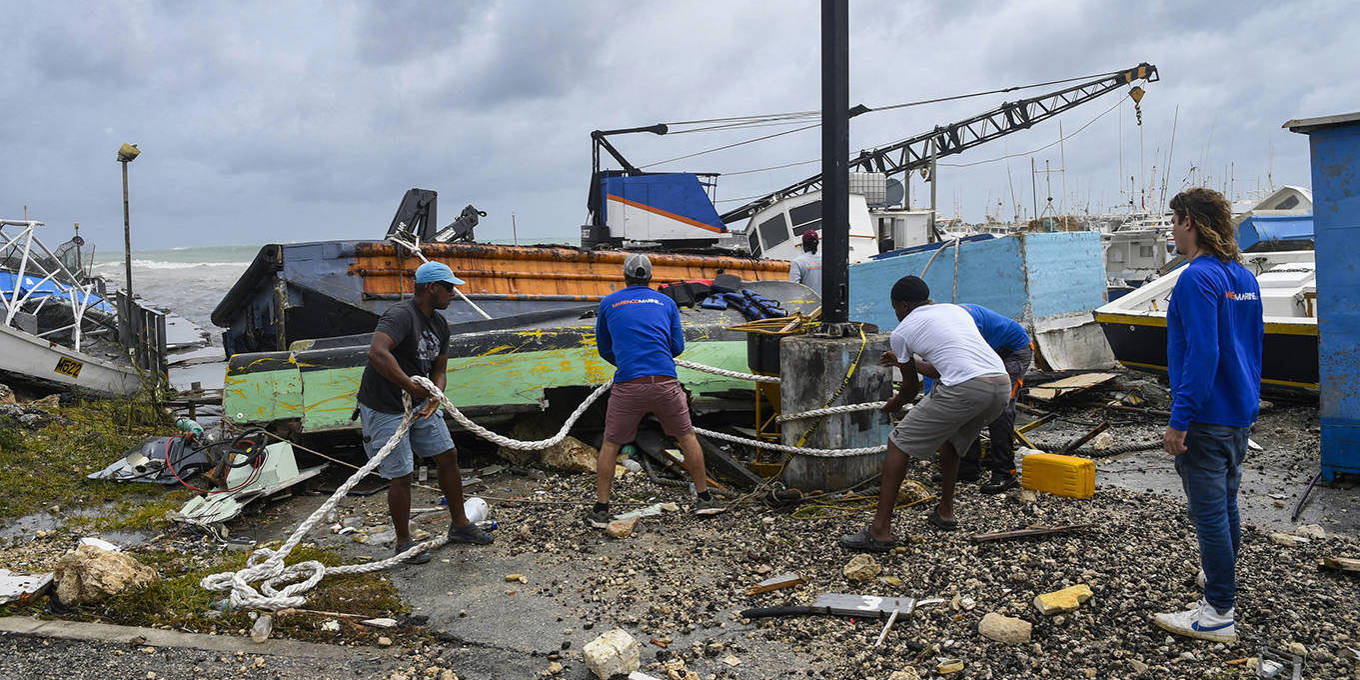
The argument comes as small and highly indebted economies contend with repeated disruptions, including the Covid-19 pandemic, higher interest rates, energy-price increases and climate risks. Bardouille writes that these pressures can displace long-term planning and leave governments responding from one crisis to the next.
Affordable long-term finance, technology and trade remain important in this account. But Bardouille contends that project funding and added fiscal room do not by themselves create the domestic capacity to sustain development. The relevant question, she argues, is whether investment leaves stronger institutions, deeper expertise, more competitive firms and a greater ability to solve difficult problems.
What does capability mean in development reform?
In Bardouille’s formulation, capability includes the ability to design, deliver, maintain and expand investments. It also rests on practical experience, trust, incentives, continuity, authority to act and time for officials and institutions to learn from difficult work.
That extends beyond public administration. Developing economies need firms that can compete internationally, adopt new technologies and respond to changing markets, according to the commentary. Bardouille argues that public and private sectors reinforce one another when both build these capacities.
Her proposed operational test for reform is whether it has left behind experienced people, institutions that retain knowledge, mechanisms for coordination and domestic firms able to carry out and adapt complex work. The commentary does not provide outcome data, comparative research or a formal measurement method showing that capability-led reforms produce better results than other approaches.
Why does Barbados feature in the argument?
Bardouille, writing from Bridgetown, presents Barbados as an illustration of how expertise can be accumulated. She points to the country’s work on sovereign-debt restructuring, debt-pause clauses and debt-for-resilience transactions, which she attributes to sustained economic management, political backing for negotiating teams and experience with problems that lacked clear precedents.
She also cites Barbados’s climate-finance work, battery-storage plans and proposed utility-scale wind development. These initiatives, Bardouille argues, require coordination among ministries, regulators, businesses, financiers and local communities, alongside the ability to resolve disputes and structure viable transactions.
There is an official milestone for the wind project. The Government of Barbados said on April 30 that six submissions had been received and bidders pre-qualified for the Lamberts & Castle Wind Project. The planned 30-to-50-megawatt project is intended to identify a private sponsor to finance, build, operate and maintain what the government describes as the country’s first utility-scale wind farm, with advisory support from the International Finance Corporation.
For small states, Bardouille argues, institutional memory can be particularly exposed when specialist knowledge and relationships are concentrated in a small number of people. Her prescription is for governments and development partners to make institutional strength an explicit objective, so that knowledge and continuity outlast personnel changes and political cycles.
This story draws on original reporting from Project Syndicate.