Oil prices touch $90 as U.S.-Iran impasse clouds Hormuz route
Brent briefly reached $90 a barrel on August 11 as hopes for a U.S.-Iran agreement to reopen Hormuz weakened.
By Rafael Ortiz · Fintech Correspondent
· 3 min read
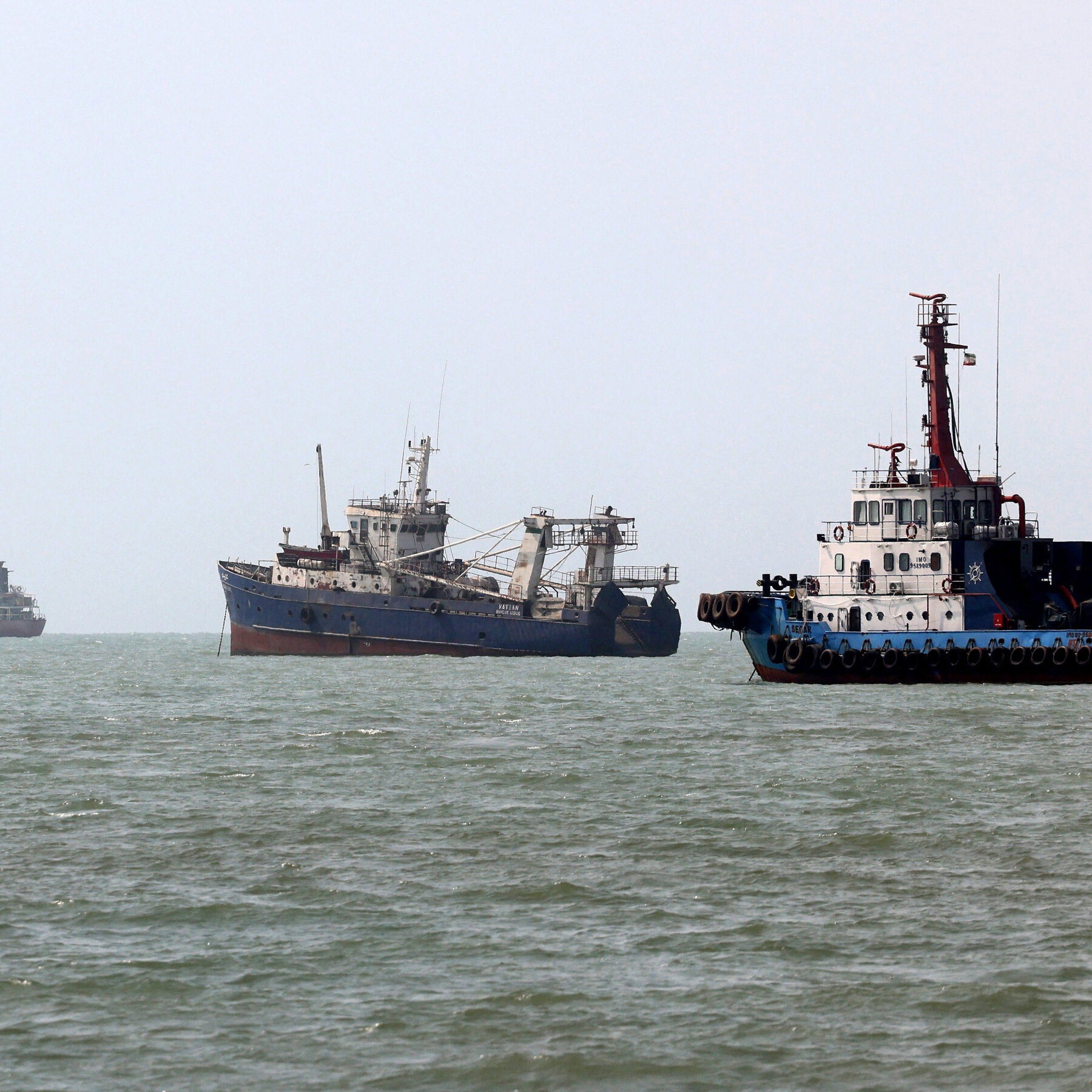
Oil prices $90 Iran stalemate became the market’s immediate concern on August 11 when Brent crude briefly reached $90 a barrel, before retreating later in the day. Reports by The National and Arise News linked the move to weakening expectations for a U.S.-Iran agreement that could reopen the Strait of Hormuz, alongside harder positions in the conflict.
Brent, the international benchmark, was quoted by The National at $90 a barrel at 1:16 p.m. UAE time and $88.14 at 7:17 p.m. The outlet put West Texas Intermediate, the U.S. benchmark, at $84.58 and later $82.46. Separately, Arise News said Brent touched $90 for the first time in two weeks and then fell back to just below $89, while WTI traded a little above $83.
The differing late-day figures underline that $90 was an intraday level, rather than a confirmed closing price in the available reporting.
Why does disruption at the Strait of Hormuz affect oil prices?
The strait, between Iran and Oman, connects the Persian Gulf to the Gulf of Oman and the Arabian Sea. It is a major maritime chokepoint: the U.S. Energy Information Administration estimated that about 20 million barrels a day of oil passed through it in 2024, equal to roughly one-fifth of global petroleum-liquids consumption.
An interruption at such a route can delay physical supplies and lift shipping costs, which can increase world energy prices, the EIA has said. Most oil volumes using Hormuz have no practical alternative exit from the region, although some pipeline routes can bypass it.
Limited capacity outside the strait
The EIA estimated that Saudi and UAE pipelines could have about 2.6 million barrels a day of available capacity to avoid Hormuz during a supply disruption. That is equivalent to about 13% of the 20 million barrels a day that transited the waterway in 2024, based on the agency’s estimates. The figures are baseline data, not a measure of current 2026 flows or of capacity that is presently usable.
Asian customers have the greatest exposure to this transport route. The EIA estimated that Asia received 84% of crude oil and condensate, and 83% of liquefied natural gas, that moved through Hormuz in 2024.
The National reported that shipping traffic in the strait had dropped to six vessels on Tuesday, against an approximate 10-day average of 11. It also reported that President Donald Trump had sought compensation from Iran and that Tehran had issued conditions for reopening the passage. Arise News reported an Iranian official’s assertion that the strait would remain closed unless U.S. conduct changed and Iranian conditions were accepted. Those accounts describe reported diplomatic positions; the available evidence does not include primary statements from either government or official exchange settlement data.
Soojin Kim, a research analyst at MUFG, told The National that hardened diplomatic positions, tight inventories and risks to alternative export routes could leave a sizeable geopolitical premium in oil prices if the disruption persisted.
This story draws on original reporting from NYT DealBook.