Warsh’s quieter Fed sends rate bets higher
After Kevin Warsh offered little guidance at his first Fed news conference, traders priced in a greater chance of rate increases this year.
By Amanda Ross · Deals Correspondent
· 3 min read
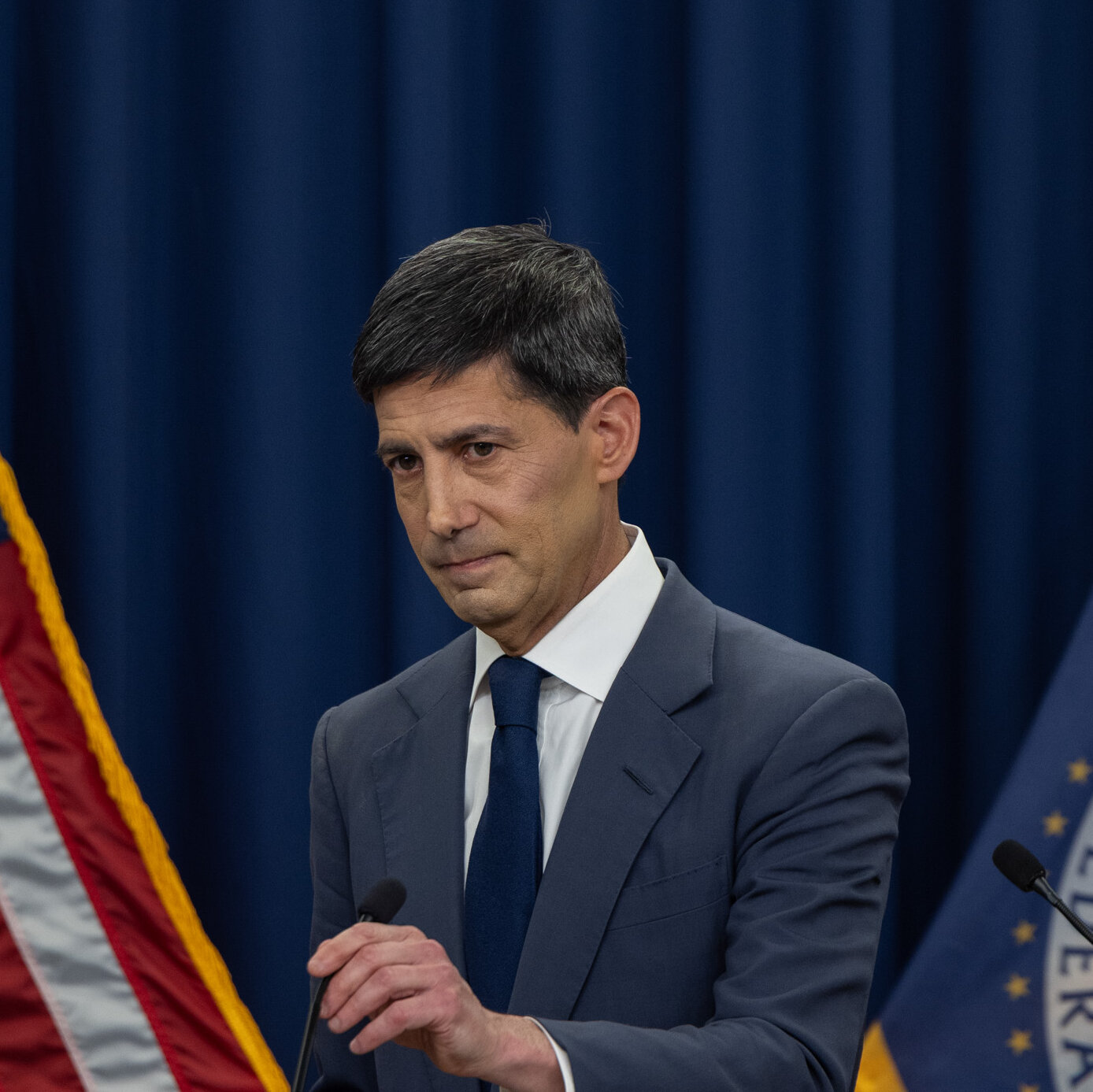
Short-dated U.S. government debt sold off after Federal Reserve chairman Kevin M. Warsh gave investors little guidance on the future path of interest rates at his first news conference in the role. The New York Times reported that the two-year Treasury yield, a maturity closely linked to expectations for Fed policy, rose to roughly 4.2 percent as traders increased bets on higher borrowing costs.
The market reaction followed a 42-minute exchange with reporters in which Warsh kept his views on coming rate decisions largely private, according to the Times. Federal funds futures also moved sharply, pointing to higher implied odds of a policy move in September and a move fully reflected in prices by October.
Federal funds futures are contracts tied to the overnight rate the Fed targets for lending between banks. When their prices change, investors and policymakers often read them as a market-implied gauge of expected central bank action. Those expectations can feed through to Treasury yields and, from there, to borrowing costs for households and companies, including mortgage rates.
Warsh also chose not to submit economic projections for the Fed’s quarterly release, the Times reported. That publication normally gives markets a view of officials’ expectations for growth, inflation, unemployment and interest rates. The Fed’s policy statement was also reduced substantially, according to the report.
The remaining set of projections showed stronger support among Fed officials for rate increases this year, the Times reported. In the absence of a detailed explanation from the chairman, investors placed more weight on those projections when forming expectations about the central bank’s next steps.
A shift in communication style
Warsh’s approach gives the Fed more room to adjust policy as the economy changes. By saying less about the likely path of rates, the central bank reduces the risk of appearing bound to a course that later data may not support.
The same approach carries market risks. If investors receive fewer signals from the Fed chair, they may assign greater importance to projections, individual officials’ remarks or incoming data. That can leave the central bank with less control over the prevailing interpretation of its policy stance and may increase the chance of market volatility if investors misread the Fed’s intentions.
“By not saying anything, you are basically leaving a lot more in the hands of the market,” Marc Giannoni, chief U.S. economist at Barclays, told the Times. “Ultimately, he might grow frustrated with what the market is thinking about the future.”
The Times reported that Warsh’s preference for more limited communication stems from a longstanding concern that Fed officials can suggest more certainty than the economy allows when they discuss forecasts and rate expectations. If economic conditions shift, that perceived precision can complicate the central bank’s response.
Warsh announced five task forces on Wednesday, one of which will examine that communications approach in greater depth, according to the Times. The review will come as markets continue to assess how much guidance the Fed intends to provide under its new chairman and how to price policy when the central bank offers fewer signals.
This story draws on original reporting from NYT DealBook.