Burnham faces early North Sea oil test as supply risks rise
The likely next UK prime minister must choose between new North Sea drilling and a faster clean-energy push amid renewed fuel security concerns.
By David L. Chen · Senior Columnist
· 3 min read
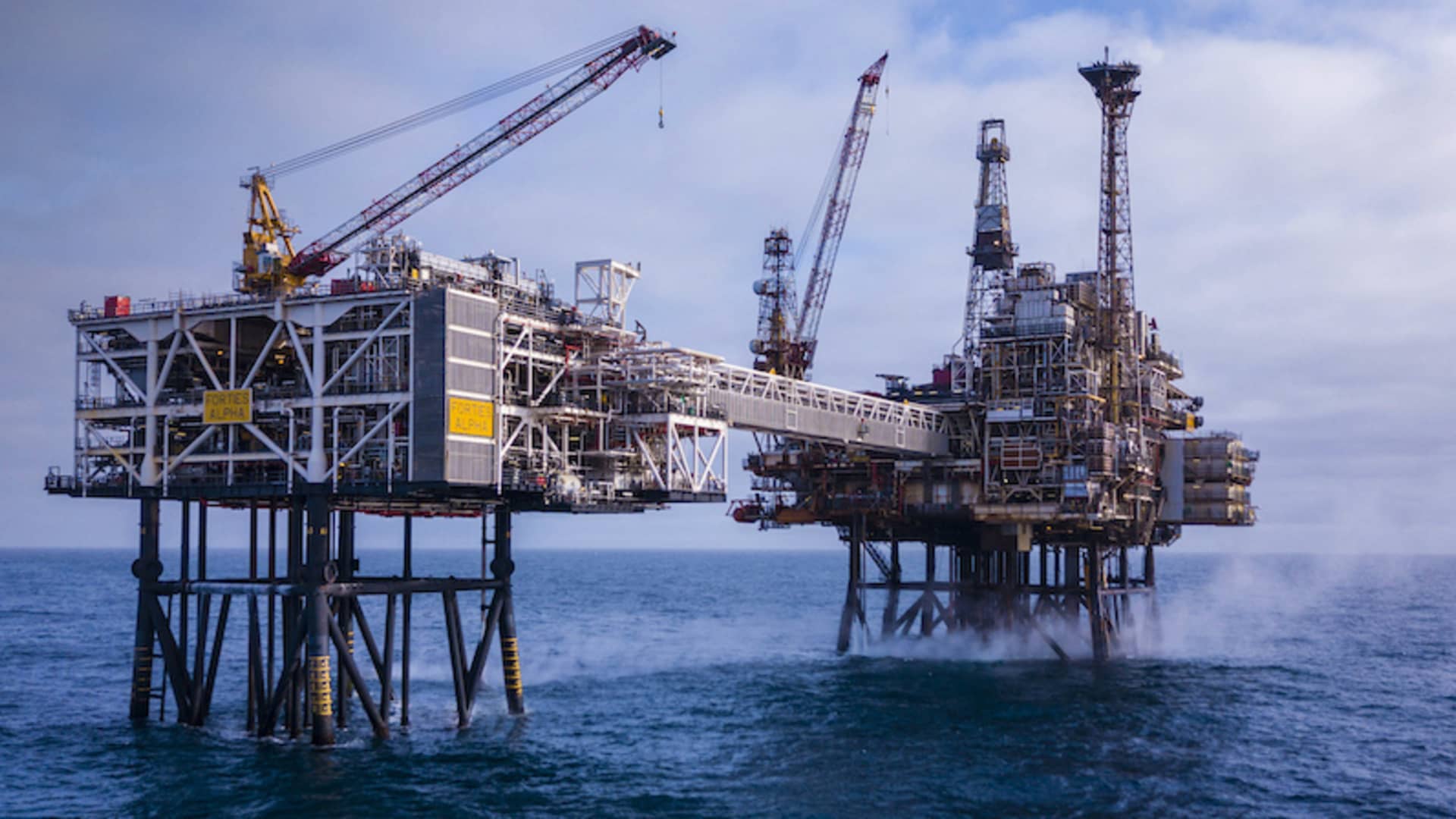
Andy Burnham, the likely successor to U.K. Prime Minister Keir Starmer, faces an immediate energy policy test over whether to permit more North Sea oil development or put the government’s weight behind renewables. The decision is being sharpened by supply concerns linked to the Iran war, disrupted flows through the Strait of Hormuz and the continuing effects of Russia’s war in Ukraine.
CNBC reported that Burnham is expected to become prime minister in July if he is not challenged by Labour Party colleagues. The debate has taken on political and market significance after Starmer’s resignation this month, which U.S. President Donald Trump attributed to what he called Starmer’s “failed” energy policy.
The policy divide turns on how Britain should reduce exposure to imported fuel during periods of geopolitical stress. New North Sea drilling would seek to lift domestic supply from fields in U.K. waters, supporting producers and related employment. A renewables-led approach would direct the state’s emphasis toward clean power, aiming to cut reliance on fossil fuels over time while aligning policy with climate goals.
Rosebank and Jackdaw sit at the centre of the dispute
The Rosebank and Jackdaw fields, both in Scottish waters, are the main projects in the current argument, according to CNBC. Supporters see them as a way to add domestic supply and preserve industry jobs. Opponents and clean-energy advocates view further drilling as a test of Britain’s climate commitments.
Inside government, CNBC reported that finance minister Rachel Reeves is understood to privately support new drilling. Energy Secretary Ed Miliband has argued that the U.K. should focus on clean energy instead, and CNBC reported he could be in line to replace Reeves as finance minister under a new government.
Two large U.K. trade unions, Unite the Nation and GMB, are campaigning in favour of drilling, citing the employment risks of blocking further development. Their position adds labour-market pressure to a policy choice already shaped by energy security, fiscal policy and climate targets.
Burnham has not yet defined his position in the account reported by CNBC. That leaves companies, unions and regional governments waiting for a signal on how a new administration would treat future North Sea projects.
Scotland presses for a balance between supply and transition
Scotland’s First Minister John Swinney told CNBC that ministers must reassess the trade-offs in light of recent supply risks. “There is a changing balance that’s got to be struck,” he said.
Swinney said the U.K. would continue to need oil and gas for a period of time, particularly if international conflict raises costs or undermines supply. “We are going to have to utilize oil and gas for some years to come. If there is uncertainty about the security of supply, or security of supply is undermined because of exorbitant cost of the effects of the conflict in Iran, these are material factors that have got to be borne in mind,” he told CNBC.
The closure of the Grangemouth oil refinery in April 2025 has added a concrete example to the debate. CNBC reported that the refinery, once Scotland’s largest, shut with the loss of hundreds of jobs.
Swinney said Grangemouth had produced jet fuel, leaving the U.K. more dependent on imports after the site closed. “We’ve now got uncertainty over jet fuel because of the conflict in the Middle East, and that will affect the ability of our economy to function,” he told CNBC.
The next government’s choice will therefore reach beyond oil licensing. It will signal how Britain intends to weigh near-term supply resilience, industrial employment and the pace of its shift toward cleaner energy.
This story draws on original reporting from CNBC.