US data docket puts trade gap and jobless claims in focus
Consensus estimates cited by Calculated Risk point to a wider trade deficit and a modest rise in initial unemployment claims.
By David L. Chen · Senior Columnist
· 2 min read
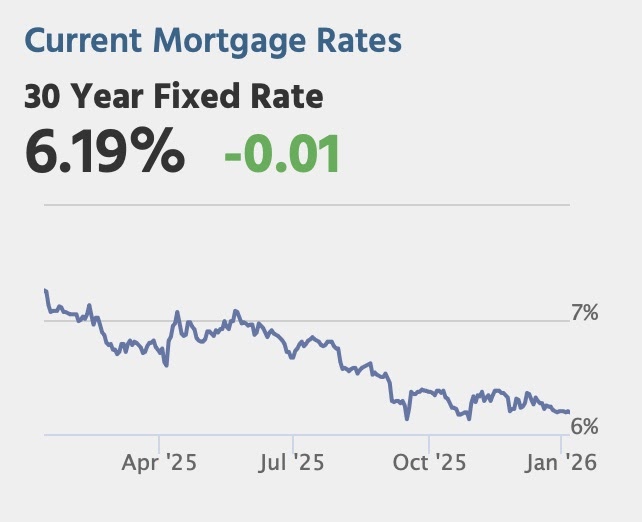
Two U.S. economic releases due Thursday at 8:30 a.m. ET will put attention on external demand and labor-market turnover. Calculated Risk said consensus estimates call for the November trade deficit to reach $59.4 billion and for weekly initial unemployment claims to rise to 205,000.
The Census Bureau is scheduled to publish the November trade balance report. The consensus figure cited by Calculated Risk would compare with a U.S. trade deficit of $52.8 billion in September, implying a larger goods-and-services gap if the estimate is met.
The trade balance is the difference between what the United States sells abroad and what it buys from overseas. A deficit means imports exceed exports. The data are watched by investors and policymakers because trade flows feed into gross domestic product calculations and can reflect shifts in domestic demand, foreign demand, exchange-rate conditions and supply chains.
The second release is the weekly report on initial unemployment claims. Calculated Risk said the consensus is 205,000 claims, up from 199,000 in the prior figure cited. Initial claims track new applications for unemployment insurance and are among the timelier gauges of labor-market stress.
A move from 199,000 to 205,000 would be a 6,000 increase if the consensus estimate is realized. Claims readings can be volatile from week to week, but they remain closely followed because they arrive more frequently than monthly payroll figures and can show changes in layoffs before they appear in broader employment reports.
The two reports arrive together, giving markets a near-simultaneous look at the trade side of the economy and the pace of new unemployment filings. The trade release will speak to the balance between exports and imports in November, while the claims report will offer a current snapshot of jobless-benefit applications.
Calculated Risk also noted that mortgage-rate information referenced in its post came from Mortgage News Daily and applied to top-tier scenarios. No additional mortgage-rate figure was provided in the written summary.
This story draws on original reporting from Calculated Risk.