ACA enrollment falls as subsidy lapse and fraud claims divide Washington
HHS data show ACA marketplace enrollment down about 3 million in early 2026, with officials citing fraud controls and analysts pointing to higher premiums.
By Sarah Jenkins · Chief Macro Economics Correspondent
· 3 min read
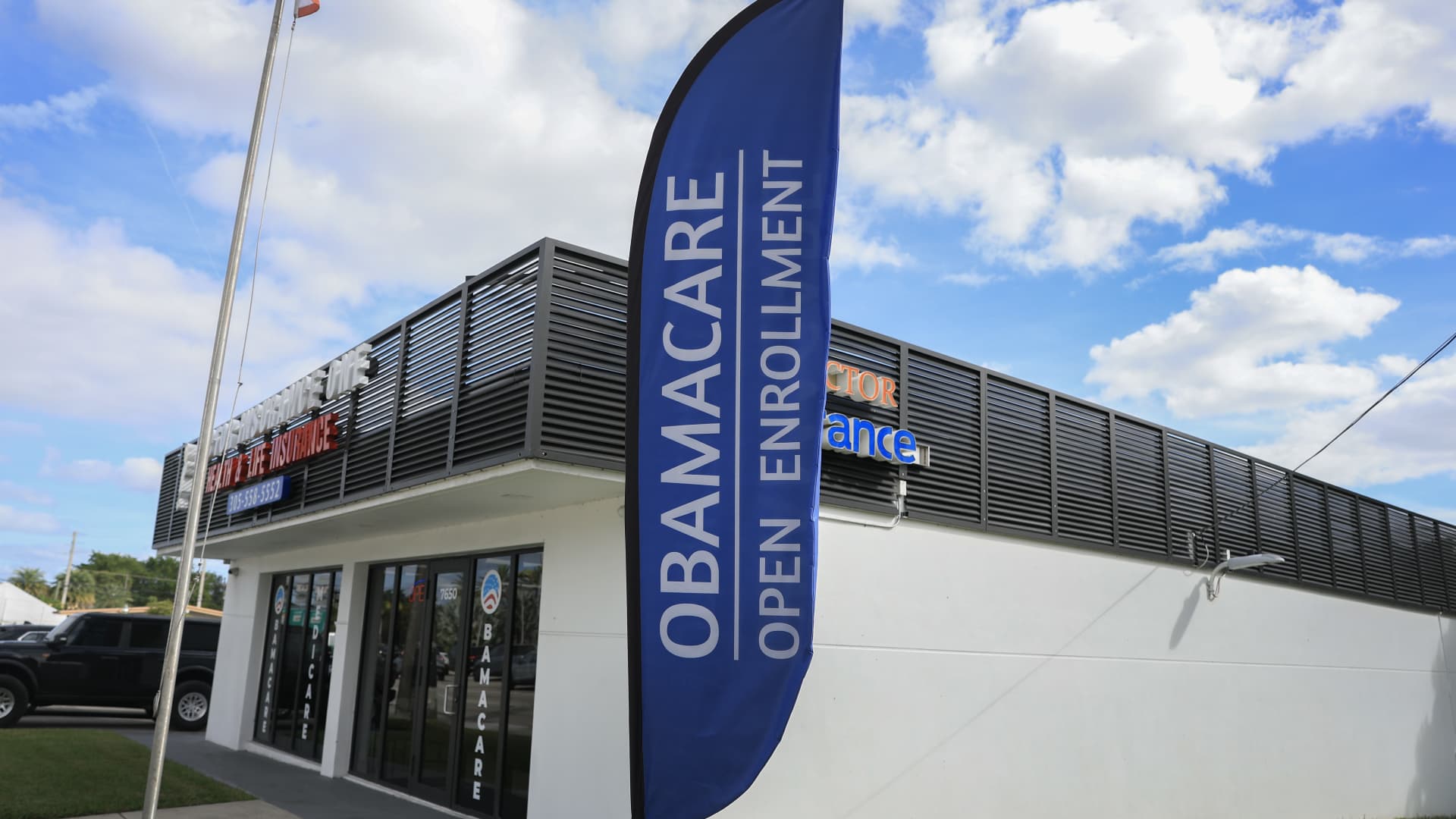
Affordable Care Act marketplace enrollment fell to 19.2 million in February from 22.1 million at the end of 2025, a decline of roughly 3 million people, or 13%, according to data released by the Department of Health and Human Services. The drop is the first in ACA marketplace enrollment since the first Trump administration and the largest since the exchanges began in 2014, according to health policy analyses cited by KFF and the Center on Budget and Policy Priorities.
The figures are an early measure of paid-up, or “effectuated,” enrollment after enhanced federal premium subsidies expired at the end of 2025. That measure counts people who selected a plan and made the required premium payments, making it a closer gauge of active coverage than sign-ups alone.
The Trump administration and outside health policy specialists disagree on the main cause. HHS said tighter program integrity controls helped reduce improper and fraudulent enrollment. Analysts at KFF, Brookings and several universities said the larger force was the loss of subsidies that had lowered monthly premiums for many households.
Subsidies and premiums
Congress approved the enhanced ACA subsidies in 2021 on a temporary basis. For lower-income households, including people with incomes between 100% and 150% of the federal poverty line, the subsidies made some marketplace plans available with no monthly premium.
After the subsidies lapsed, KFF estimated that enrollees faced an average premium increase of 114%, with average annual payments rising to $1,904 in 2026 from $888 in 2025. KFF also estimated that some consumers could face additional annual premium costs of $20,000 or more.
Matthew Fiedler, a senior fellow at the Brookings Institution who studies health economics and policy, said in an email that higher prices would be expected to reduce take-up, especially among lower-income marketplace consumers. Michael Gusmano, a professor of health policy at Lehigh University, also pointed to broader inflation and weaker inflation-adjusted household earnings as pressures on affordability.
Jonathan Oberlander, a professor of health politics and policy at the University of North Carolina at Chapel Hill, said Republicans were overstating the role of fraud to draw attention away from coverage reductions tied to policy choices. He said affordability has become a leading concern for Americans in a midterm election year.
Fraud controls under scrutiny
HHS said improper, phantom and fraudulent enrollment peaked at an estimated 5.6 million people in 2025. The agency said Trump administration measures, including the elimination of certain special enrollment periods and cancellations of policies it deemed fraudulent, cut such enrollment by millions.
The Centers for Medicare & Medicaid Services canceled coverage for 250,000 people enrolled in ACA plans without their consent, according to HHS. A CMS spokesperson said the agency would continue efforts to address “waste, fraud, and abuse” and said Republicans under President Donald Trump were working on health care affordability.
Health policy experts said fraud risks exist, and the Government Accountability Office identified subsidy-related risks in a December report requested by congressional Republicans. They disputed whether fraud explains most of the enrollment decline.
HHS said more than 1 million current ACA enrollees lack a Social Security number, a category it described as improper or phantom enrollment. Gusmano said some lawfully present immigrants who are eligible for ACA coverage may not have Social Security numbers, while immigrants in the country illegally are already barred from enrolling. Oberlander said data-matching problems could also explain some missing numbers.
Cynthia Cox, director of the ACA program at KFF, said income discrepancies can occur because applicants must estimate income for the coming year when applying for subsidies. Those estimates are later reconciled through tax returns, with excess subsidies subject to repayment.
The Congressional Budget Office estimated in February that ACA marketplace enrollment would fall to 12.5 million by 2028. It also projected the uninsured share of the U.S. population would rise from 7.6% in 2025 to 10.4% by the end of the decade.
This story draws on original reporting from CNBC.


