BOJ September 2026 rate hike seen taking policy rate to 1.25%
Economist surveys point to a September BOJ rate increase, though a minority still expect either a larger move or no change.
By Sarah Jenkins · Chief Macro Economics Correspondent
· 3 min read
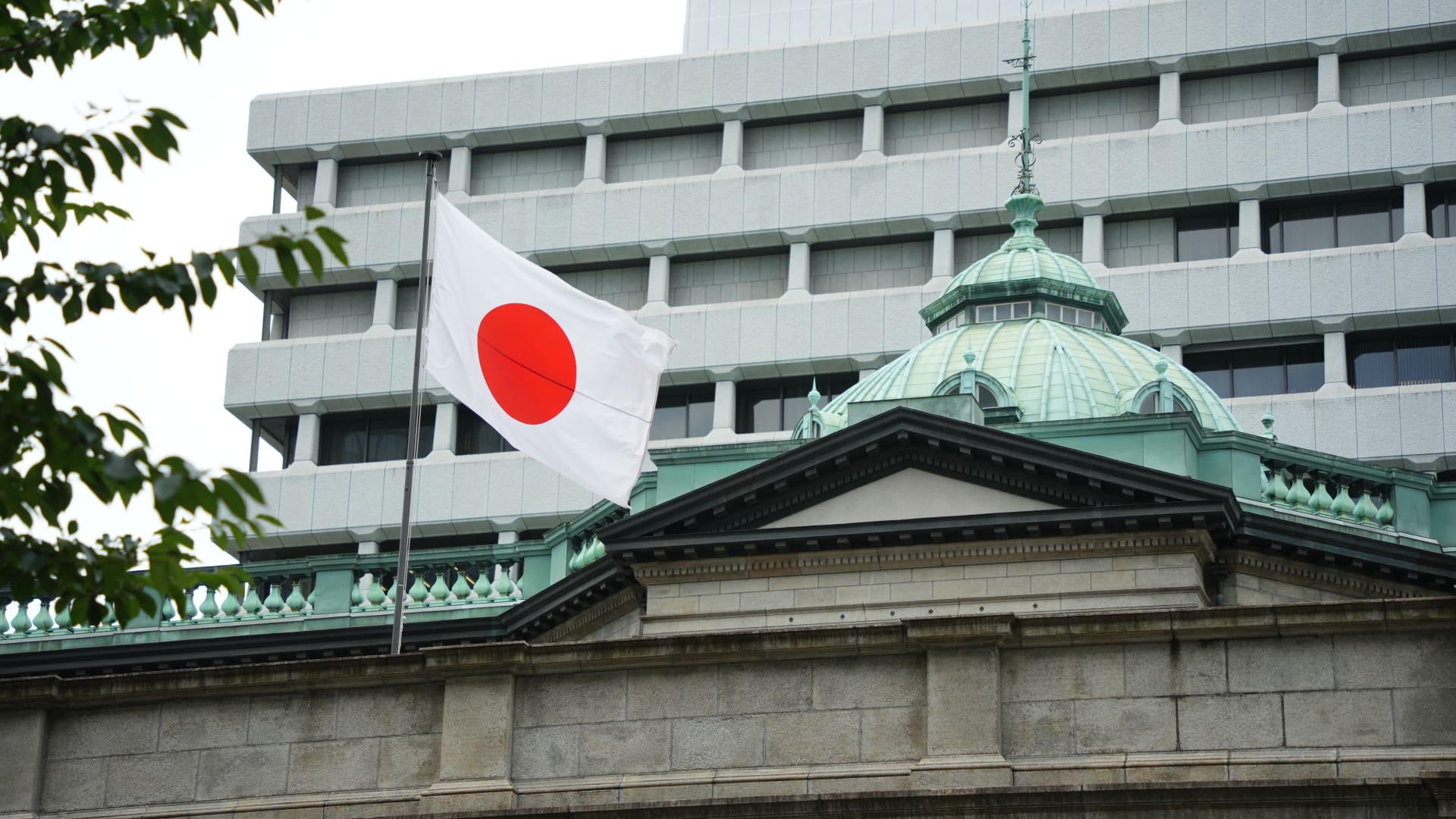
A BOJ September 2026 rate hike remains an expectation rather than a decision: surveys by CNBC and Reuters indicate that economists widely expect the Bank of Japan to lift its policy rate by 25 basis points to 1.25% when its two-day meeting concludes on Friday. The central bank’s official schedule sets the meeting for Sept. 17-18, and no outcome had been announced at the time of the surveys.
CNBC’s survey of 18 economists and analysts, conducted Sept. 9-14, found that about 89% expected a quarter-point increase. Reuters reported an even stronger consensus in a separate Sept. 1-8 survey: 66 of 68 economists, or 97%, anticipated a move on Sept. 18. The results should not be combined because the polls used different samples and field dates, but both point to a broad expectation of tightening.
The policy rate stands at 1% after the BOJ raised it by 25 basis points in June, CNBC reported. That was the highest level since 1995. The bank then left the rate unchanged at its July meeting, according to reporting cited by Trading Economics. A rise to 1.25% would therefore be a further quarter-point increase following the June action.
Why do economists expect a BOJ rate hike in September?
CNBC said respondents pointed to inflation, wage gains and pressure from the US government. Its report put Japan’s July headline inflation at 1.9% and said real wages rose 2.4% that month, marking a seventh consecutive monthly increase.
Currency conditions have also shaped the debate. Reuters said economists cited yen weakness and concerns that price pressures could broaden, including pressures connected to the U.S.-Israeli war with Iran. In CNBC’s survey, about 61% of respondents expected the yen to trade between 155 and 160 against the dollar over the following month. Reuters reported separately that the yen was around 153.37 per dollar on Sept. 10.
US Treasury Secretary Scott Bessent met BOJ Governor Kazuo Ueda at the G20 gathering earlier in September. CNBC and Reuters reported that Bessent backed decisive monetary measures, and that the discussion included anchoring inflation expectations and limiting excessive exchange-rate volatility. Reuters said more than 80% of economists in its poll believed the intervention and Bessent’s comments had reduced political barriers to a rate increase.
How certain is a September BOJ decision?
The surveys do not establish the outcome. Jesper Koll of Monex Group told CNBC that he expected a 50-basis-point move, while Carlos Casanova of UBP expected the BOJ to leave rates unchanged for now, citing limited evidence for a faster tightening pace and risks from Iran-related tensions and oil prices.
Expectations have strengthened over recent weeks. Reuters’ Aug. 17-24 poll found 57% expected a September increase, compared with 5% in its July poll who expected a move in that quarter. In Reuters’ later survey, 57 of 64 respondents expected the policy rate to reach at least 1.5% by the end of March 2027, while around 62% expected at least 1.75% by the end of the second quarter of 2027. Those figures are survey forecasts, not BOJ guidance.
This story draws on original reporting from CNBC.