Ratepayer Protection Act House vote targets data center grid costs
The House is expected to consider a bipartisan bill setting a state-facing standard for large data centers to fund incremental grid upgrades.
By Marcus V. Thorne · Markets Editor
· 3 min read
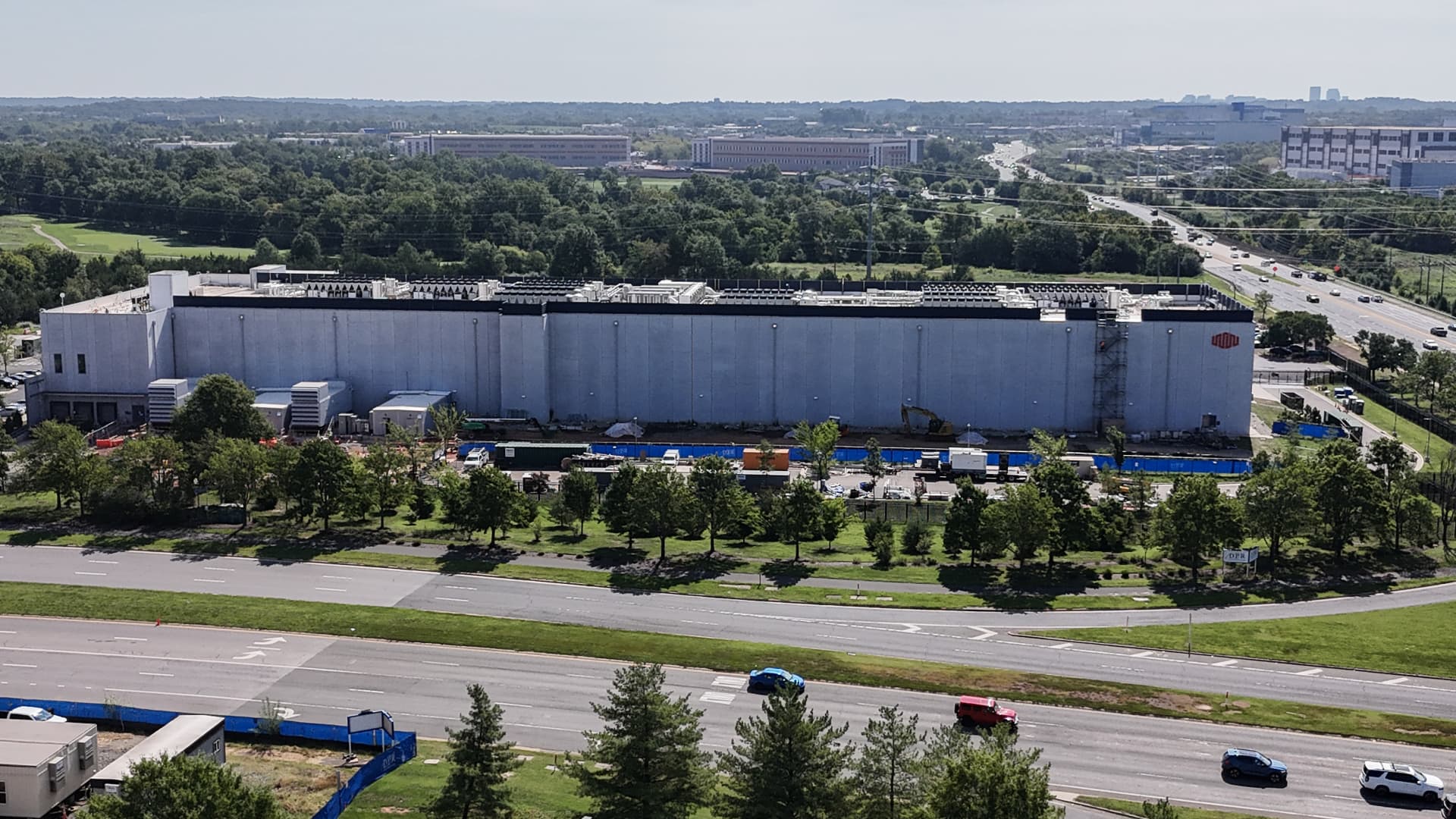
A Ratepayer Protection Act House vote is expected as lawmakers consider a bipartisan proposal aimed at limiting the extent to which grid expansion for the largest data centers is reflected in other customers’ electricity bills. Reuters reported on September 10 that House Republican leaders planned floor action the following week, while CNBC said a vote could come as early as Tuesday night.
H.R. 9340 would create a federal standard under the Public Utility Regulatory Policies Act for certain large-load electricity customers. The reported House text says utility rates for a qualifying customer must be structured to recover from that customer the full incremental cost of generation, transmission and distribution upgrades required for its load.
The provision would also cover the risk that a customer ends its electricity agreement or stops purchasing power from the utility. Before making an upgrade needed for such a customer, a utility would have to obtain financial assurances or contributions sufficient to cover the upgrade’s cost, according to the bill text.
What would the Ratepayer Protection Act require?
The measure is narrowly framed around nonresidential customers using facilities primarily for data storage and computational applications and services. Under the reported state-adoptable framework, the standards would cover AI data centers with demand of 100 megawatts or more at a single site or campus.
The legislation does not itself establish an automatic nationwide state rate rule. Instead, it requires state regulatory authorities and nonregulated utilities to begin considering the standard, or schedule a hearing on it, within one year of enactment. They would then have two years after enactment to make a determination, the reported bill says.
In practice, the framework addresses who bears the added cost of equipment and networks built specifically to serve a large new customer. It does not govern the approval or siting of individual projects, an area where CNBC reported that states and localities retain primary authority.
Rep. Gabe Evans, a Colorado Republican, introduced the measure on June 18 with Rep. Kathy Castor, a Florida Democrat. Congress.gov records that the House Energy and Commerce Committee reported an amended version on September 10 and placed it on the Union Calendar, No. 713. The measure has not passed the House or Senate and has not become law.
CNBC reported that Speaker Mike Johnson was expected to use suspension of the rules, an expedited House process that requires support from two-thirds of members voting. That procedural plan and any final vote result were not reflected in the official bill record cited above.
The proposal arrives amid pressure on officials to address concerns that the electricity demands of expanding data centers could shift costs to households, Reuters reported. Supporters say developers whose demand requires additional infrastructure should pay the associated incremental costs.
Environmental groups argue that the proposal’s state-facing mechanism is inadequate. The League of Conservation Voters said state regulators could choose not to adopt protections, while Food & Water Watch called for a pause on new AI data centers. Those are the groups’ policy positions rather than effects established by the legislation.
This story draws on original reporting from CNBC.